Sri Lanka’s Mattala Airport has suddenly become the centre of a powerful geopolitical tug of war, as Washington and Beijing push competing proposals that could define the island’s future strategic alignment for years to come.
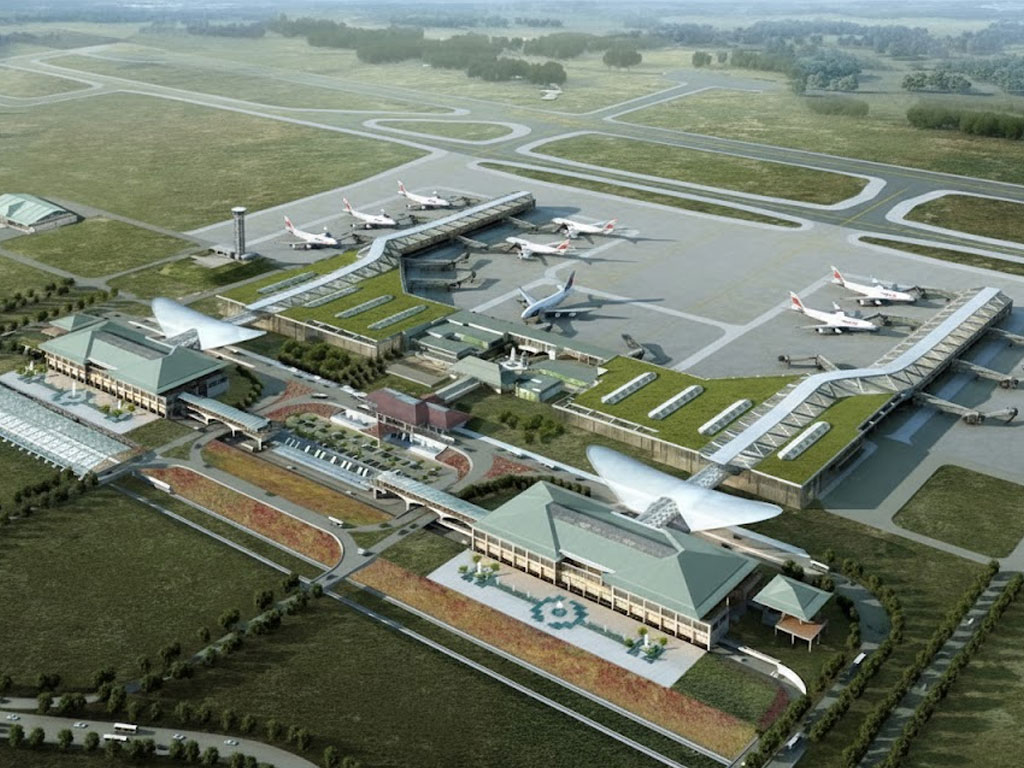
Sri Lanka has once again found itself at the crossroads of global rivalry as two aviation giants, China and the United States, position themselves around the strategically located Mattala International Airport. The events unfolding around the facility echo a familiar pattern in the island’s political landscape, where major powers compete for influence over critical infrastructure, foreign policy direction, and long-term strategic partnerships.
The story begins in 2014 when the China National Aero-Technology Import and Export Corporation, a prominent state-owned entity, proposed setting up an aircraft maintenance facility in Sri Lanka. This Chinese initiative was designed to provide maintenance services for Chinese-made aircraft used by the Sri Lanka Air Force. The plan promised significant foreign exchange savings and aimed to ensure repairs could be conducted locally rather than overseas. At the time, the Sri Lankan government was still determining the ideal location, with Trincomalee emerging as a possible site. Reports indicating China’s interest in constructing such a facility raised concerns in India. While no final decision had been made, China’s willingness to assist was confirmed by military officials.

Once this information reached the political arena, Opposition Leader Ranil Wickremesinghe demanded clarity in Parliament. Foreign Minister G. L. Peiris responded by acknowledging that Trincomalee was among several locations under consideration. Despite the growing international interest, the proposal was eventually shelved after the government changed in the 2015 presidential election.
A decade later, Mattala Airport has resurfaced as a focal point of aviation diplomacy. A delegation from the United States-based Boeing Company arrived in Sri Lanka and held discussions with President Anura. Boeing expressed a strong interest in developing an aircraft maintenance facility as well as a flight technician training centre at Mattala International Airport. Earlier in the year, Aviation Minister Bimal Rathnayake had confirmed that the government was already in talks with foreign companies about establishing a maintenance, repair and overhaul facility at Mattala.
However, the timing of the Boeing visit is notable. Bimal, widely regarded as pro-China, had been removed from his ministerial post just days before the American delegation arrived with their proposal. This sudden shift in political appointments has sparked speculation about internal and external pressure influencing Sri Lanka’s aviation policy direction.
The history of Mattala’s management also reveals how foreign influence shapes national decisions. During Ranil Wickremesinghe’s administration, approval was granted to hand over the management of Mattala Airport to a joint Russian-Indian company. Yet the United States exerted significant pressure to overturn that decision. Aviation Minister Nimal Siripala de Silva later stated that the claim of sanctions on the selected Russian company appeared to be largely diplomatic posturing rather than a substantial obstacle. When President Anura took office after the 2024 presidential election, the government decided to proceed with assigning the airport’s management to the Russian-Indian consortium.
Despite this, analysts believe that President Anura is unlikely to reject Boeing’s latest proposal. His government is expected to agree to hand over at least part of the Mattala facility to the American aerospace giant as a strategic balancing act. This move is seen as an attempt to offset the decision to award the Hambantota oil refinery project to China. The United States appears determined to counter China’s expanding footprint in Sri Lanka, and securing Mattala would serve as a key counterweight to Beijing’s growing influence.
Sri Lanka’s aviation sector has once again become a stage for major geopolitical manoeuvring, and how Mattala is ultimately allocated could reshape the island’s strategic partnerships for the next decade.