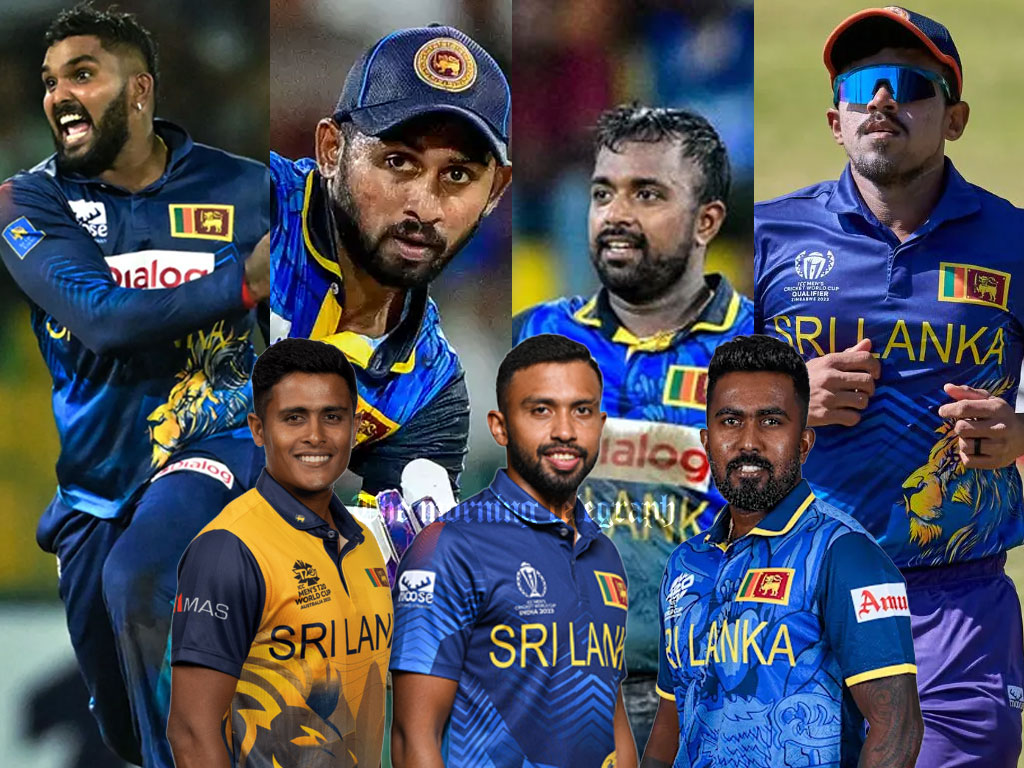
Four senior Sri Lankan cricketers stand accused of nearly derailing the Pakistan tour but was it really fear, or a far more sinister game of politics and power? With lucrative IPL contracts in play and tensions flaring between India and Pakistan, shocking new revelations suggest these players may have been used as pawns in a larger geopolitical chess match, one that could have shattered Sri Lanka’s cricketing reputation forever.
In the aftermath of the recent suicide bombing in Islamabad that killed 12 people and injured 27, the decision by Sri Lanka Cricket (SLC) to press ahead with its Pakistan tour has turned into one of the most controversial and politically charged moments in recent cricket history. While the cricket-board leadership headed by Shammi Silva, as well as the country’s President Anura Kumara Dissanayake and Sports Minister Sunil Kumara Gamage have been widely praised for their stance of solidarity and support for Pakistan, darker questions hover silently in the background: were Sri Lanka’s players quietly folded into a geopolitical chess game between India and Pakistan and were four of them used as pawns?

The Official Narrative: Leadership Gets Credit
When the military and security apparatus of Pakistan led by Syed Asim Munir, the Army Chief stepped in personally to guarantee protection right after the bombing, the stage was set for a rare display of diplomacy through sport. Pakistan’s Interior Minister Mohsin Naqvi who also serves as the President of the Cricket Board publicly applauded Sri Lanka’s decision to stay, calling it “the spirit of sportsmanship and solidarity.”
SLC had previously dispatched two Sri Lankan Army generals to Pakistan for a pre-tour security assessment, and after clearance from the highest levels in Sri Lanka, SLC President Shammi Silva insisted the tour proceed.
The national leadership backed the Board’s call and quickly earned accolades from Pakistan and beyond for choosing “cricket” over fear.
The Quiet Crisis: Players, Contracts and Speculation
But in parallel shadows, several senior Sri Lankan players including Charith Asalanka, Maheesh Theekshana, Kamindu Mendis and Wanindu Hasaranga, were quietly reported to have considered pulling out of the tour after coaxing three others to join them them, which included Jeffrey Vandersay, Asitha Fernando and Sadeera Samarawickrema citing security fears. SLC later confirmed that these very players had asked to go home and warned that defaulters would face formal review and suspension.
Why the urgency? All but three of the four players are known to hold lucrative Indian Premier League (IPL) contracts, lifting eyebrow-raising suggestions: did their withdrawal threat serve as leverage in the broader South Asian cricket-economy matrix? Was the decision to stay not entirely voluntary?
A Political Pawn Game?
Cricket insiders say the picture gets darker: SLC had prepared seven replacement players ready to fly to Pakistan hours before a hotel check-out deadline was to take place. However at the last minute the seven players decided to stay back and continue with the tour. Did they face internal pressure? Were they guided (or coerced) to stick to the tour to avoid embarrassing Pakistan and thereby preserve Pakistan’s cricket-hosting credibility? A cancellation would have hit Pakistan badly, especially as this tour is seen as pivotal in restoring international cricket in the country after long years of isolation.
The timing and optics bear watching: players with IPL deals, a series in Pakistan at a time of rising India-Pakistan tension, a board directive to stay combined with security guarantees from Pakistan’s top brass, it all looks like cricket caught between sovereignty, economics and regional diplomacy.
Leaders Get Credit, Players Face Fallout?
For SLC President Shammi Silva, the country’s President Anura Kumara Dissanayake and Minister of Sports Sunil Kumara Gamage, the narrative is one of strong leadership and international camaraderie. For the four senior players involved, however, the story might end differently. SLC internally confirmed that the four senior players and the other three could face suspension if their behaviour in Pakistan is judged unsatisfactory.
Meanwhile fans and pundits question whether the true motive was cricket or geopolitics, whether these talented cricketers became collateral in a larger game of regional influence.
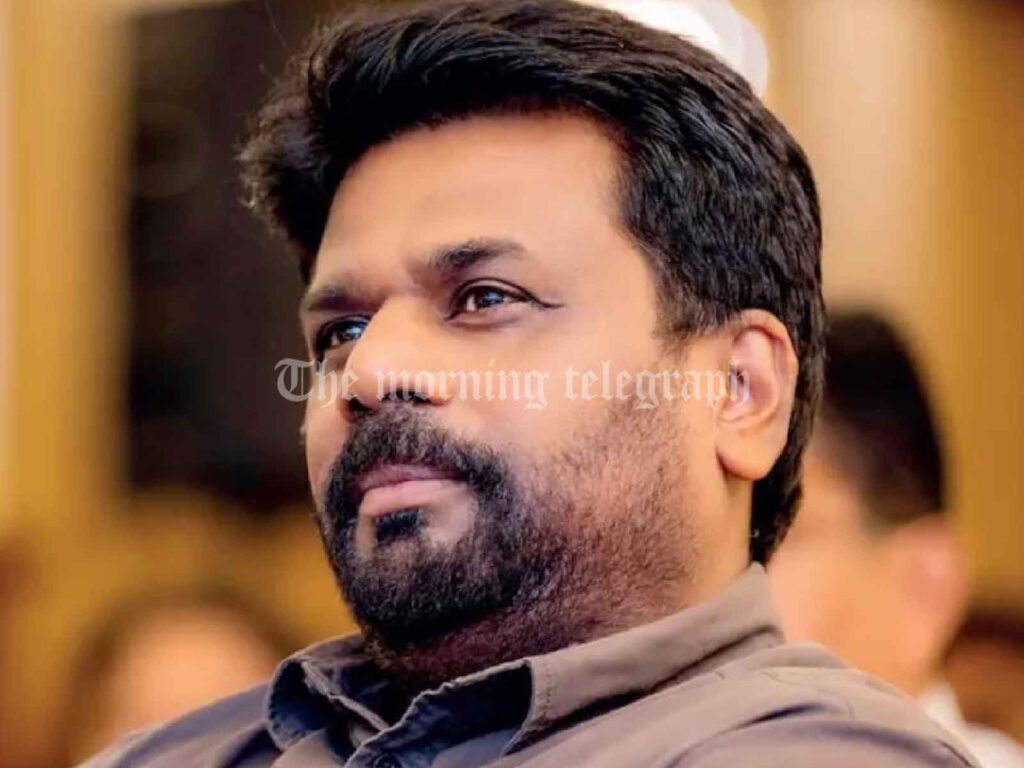
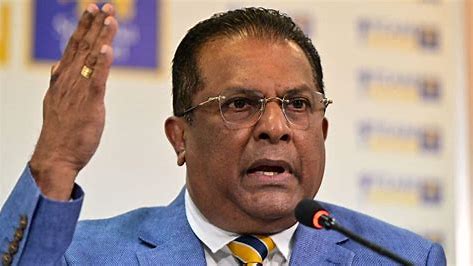

The country’s President Anura Kumara Dissanayake, SLC President Shammi Silva and Minister of Sports Sunil Kumara Gamage praised for their strong leadership and international camaraderie with Pakistan and its cricket board.
The Tour Continues – But At What Cost?
The remaining matches, two ODIs and a subsequent T20 tri-series involving Sri Lanka, Pakistan and Zimbabwe will go on. Pakistan officials say the tour’s completion helps “lift our head” after years of ostracism. But did Sri Lankan players help that image more than the Sri Lankan sport itself?
If this suspicion takes hold, the reputations of the four senior cricketers may suffer far more than any cricket scoreboard indicates.
According to reliable sources within Sri Lanka Cricket (SLC), a comprehensive investigation is expected to be launched immediately after the tour concludes, once the national team returns to Colombo.