A leading medical specialist warns that Sri Lanka’s public hospitals are collapsing under severe shortages of antibiotics, test reagents and essential supplies, while most of the health budget remains shockingly unspent.
Specialist Dr. Chamal Sanjeewa, Chairman of the Doctors’ Trade Union Alliance for Medical and Civil Rights, says patients are suffering greatly due to the shortage of strong antibiotics, reagents for laboratory tests, radiological tests and the facilities required for conducting them in major hospitals. He warns that Sri Lanka’s health system is facing a severe crisis as critical items continue to run out across multiple institutions.

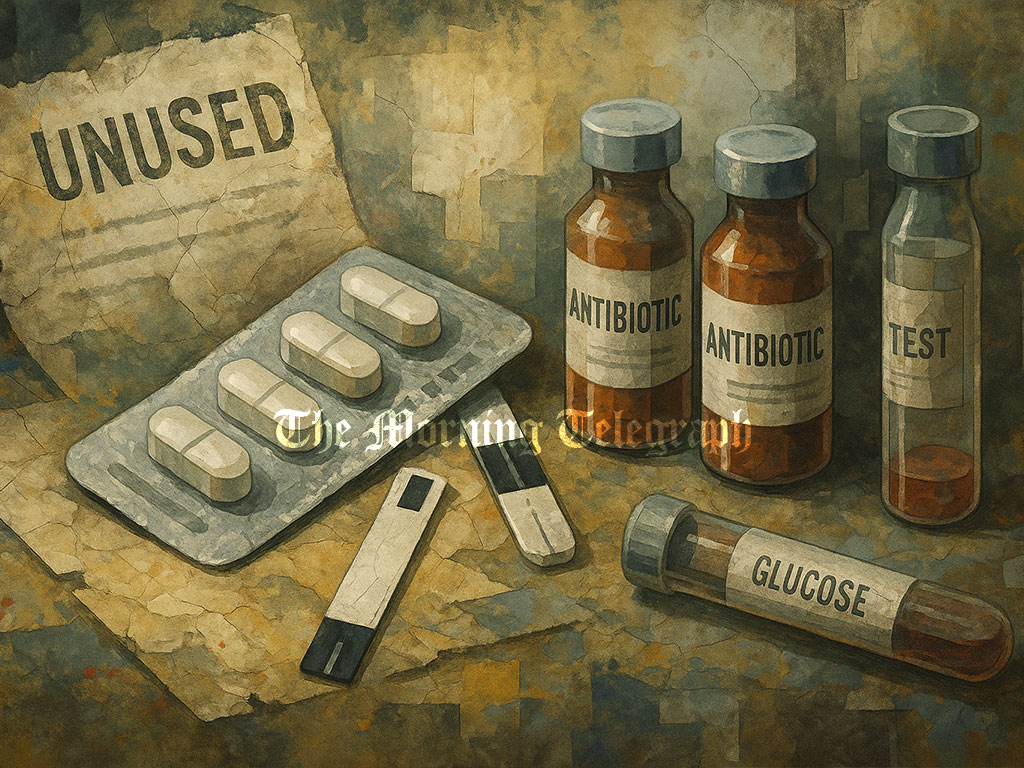
He points out that there is a shortage of essential medicines including the strong antibiotics Cefotaxime, Cefexime, Amikacin, Isoprenaline, Salbutamol respiratory solutions used for nebulization to help patients breathe, and IV Metachlorpropamide injections given to patients suffering from severe vomiting. Hospitals, according to him, have been forced to spend significant sums to purchase these medicines locally due to shortages in the state supply chain.
He also highlights that the lack of Blood Glucose strips used in hospital wards for basic blood sugar tests has made it extremely difficult to conduct simple sugar checks. He says this shortage is causing great inconvenience to health staff as they struggle to manage diabetic patients who require constant monitoring.
Due to the shortage of reagents required for major laboratory tests in several hospitals, including the Colombo National Hospital, patients are now compelled to pay large sums to carry out chemical tests externally. He questions why hospitals have not taken steps to purchase the chemicals used for laboratory tests at low cost and suggests that authorities should investigate whether this situation is an organized racketeering operation by referring patients to external chemists.
He adds that long queues have formed for CT, MRI and angiogram tests in several major hospitals, with the situation being particularly severe at the Colombo National Hospital. These delays, he says, are placing a heavy burden on patients who need timely diagnostics.
Dr. Sanjeewa states that the current health administration has failed to resolve major issues in the system over the past year. He stresses that the President should pay attention to the fact that nearly seventy percent of the funds allocated to the Ministry of Health in the last budget have not been used. He also says the President should take note that the current Health Secretary has ignored continuous warnings from the Auditor General regarding corruption and fraud in the Ministry of Health.