A leaked internal memo has ignited the biggest crisis inside the BBC in years, triggering resignations at the very top, forcing senior leaders before Parliament, and raising explosive questions about political influence, editorial integrity, and the future of Britain’s most trusted broadcaster.
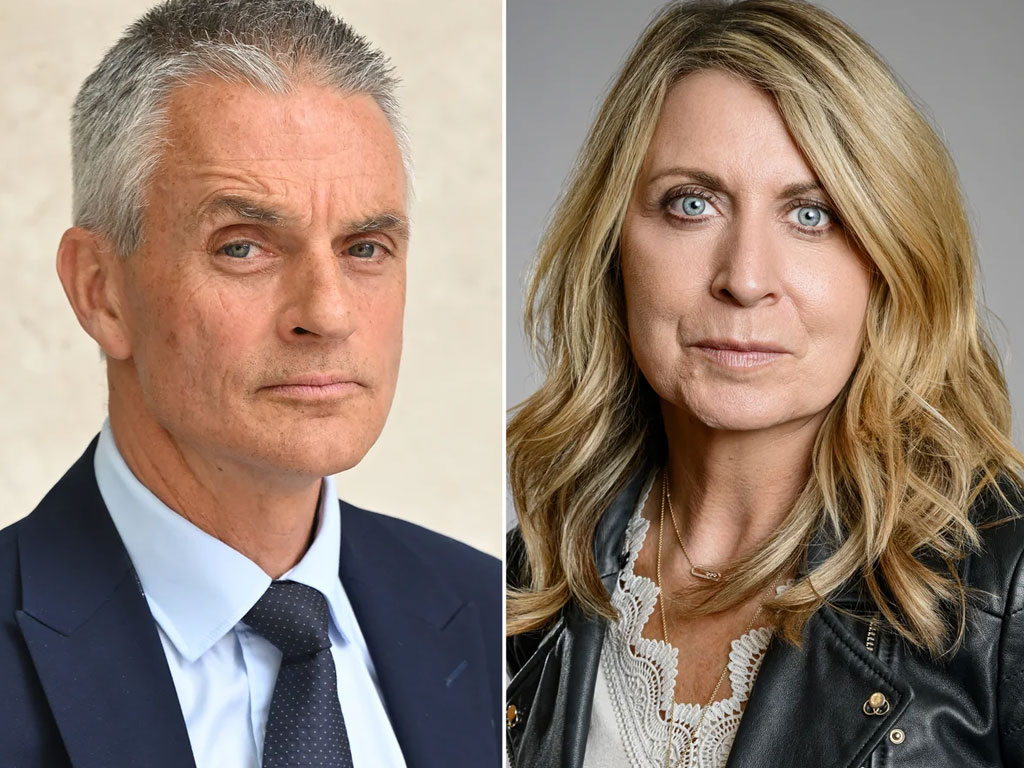
Senior leaders at the BBC are set to face questions from members of Parliament on Monday following a series of high profile resignations and mounting criticism over editorial decisions. Michael Prescott, a former editorial adviser whose internal memo raised serious concerns about BBC journalism, will speak publicly for the first time before the Culture, Media and Sport Committee. His memo questioned the edit of a Donald Trump speech in an episode of Panorama and highlighted what he described as systemic issues related to political bias and coverage of sensitive subjects. The leak of the memo led to the departures of the BBC director general Tim Davie and the head of news Deborah Turness, intensifying scrutiny of the organisation’s governance. BBC chairman Samir Shah, along with board members Sir Robbie Gibb and Caroline Thomson, will also give evidence and are expected to face tough questions about decision making inside the corporation.

The situation escalated further on Friday when board member Shumeet Banerji resigned, citing governance problems at the top of the broadcaster. That departure placed additional pressure on Shah, who has been criticised for his handling of the controversy and for the perception of political influence within the board. Culture Secretary Lisa Nandy voiced concern that political appointments had damaged public trust in the BBC’s impartiality and pledged to address the issue during the next charter review. Questions are also expected about Sir Robbie Gibb, a former senior BBC editor and former communications chief for Prime Minister Theresa May, as he has been accused of influencing editorial decisions. The parliamentary committee will focus on the editorial guidelines and standards committee, which oversees how the BBC ensures compliance with its own editorial rules.
In the wake of these events, the BBC is reportedly considering reforms to strengthen oversight and restore confidence. According to reports, the broadcaster may expand the editorial guidelines and standards committee to improve scrutiny and prevent any single individual from holding too much influence. The organisation is also said to be planning the introduction of a deputy director general role to support leadership responsibilities. As the BBC prepares for the parliamentary hearing, it also faces the possibility of a substantial legal battle with Donald Trump, who has threatened to sue for billions following the Panorama edit. The outcomes of the hearing and the corporation’s next steps will shape the future of its leadership, reputation and editorial standards.
unique compelling description and a social media hashtags