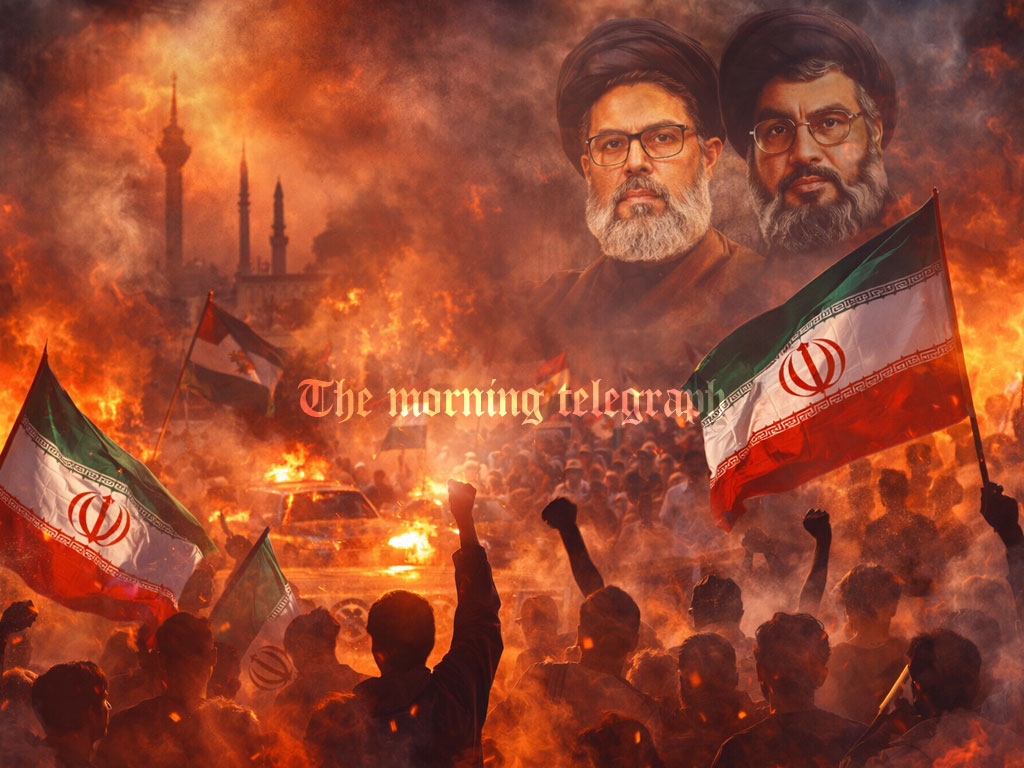
Anger over soaring prices and a collapsing currency is spilling onto Iran’s streets, as deaths mount, cities burn, and chants against the ruling system grow louder with each passing night.
Growing unrest across Iran has reportedly claimed more lives as protests entered a fifth consecutive day, driven by sharp increases in the cost of living and a dramatic currency collapse. Semi official media and human rights groups reported multiple fatalities following clashes between protesters and security forces in several western and south western cities.

Both Fars news agency and the rights group Hengaw said two people were killed during violent confrontations in the city of Lordegan. Additional deaths were reported in Azna and Kouhdasht, with at least six fatalities confirmed across these areas. Officials did not clarify whether those killed were demonstrators or members of the security forces, while Hengaw identified the two victims in Lordegan as protesters Ahmad Jalil and Sajjad Valamanesh.
Videos circulating on social media showed cars set ablaze and running street battles as demonstrators confronted security personnel. Protesters were seen chanting slogans not only against economic hardship but also directly challenging Iran’s supreme leadership. In some locations, voices calling for a return to monarchy were also heard.
As unrest spread, reports emerged of protests in Tehran, Lordegan, Marvdasht, and several other cities. Verification of casualty figures remains difficult, with conflicting accounts from state media and activists. State outlets claimed a member of the Revolutionary Guards affiliated forces was killed in Kouhdasht, while protesters insisted the victim was one of their own and was shot by security forces.
Authorities reported that 13 police officers and Basij members were injured by stone throwing during clashes. In an apparent attempt to curb demonstrations, schools, universities, and public institutions were shut nationwide under the pretext of a bank holiday declared to conserve energy amid cold weather. Many Iranians, however, viewed the closures as an effort to suppress protests.
The demonstrations began in Tehran among shopkeepers angered by the rapid fall of the national currency against the US dollar. University students soon joined, and the protests spread to multiple cities, with chants condemning clerical rule.
While officials insist security measures have been tightened to prevent escalation, President Masoud Pezeshkian said his administration would listen to the “legitimate demands” of protesters. At the same time, the prosecutor general warned that any attempt to create instability would face a “decisive response”.
The unrest marks the most widespread protests since the 2022 uprising following the death of Mahsa Amini, highlighting deepening economic and political fault lines across Iran.