The United States carries the largest debt in human history, yet its economy refuses to collapse. Behind the staggering numbers lies a unique global system that keeps Washington afloat while others sink.
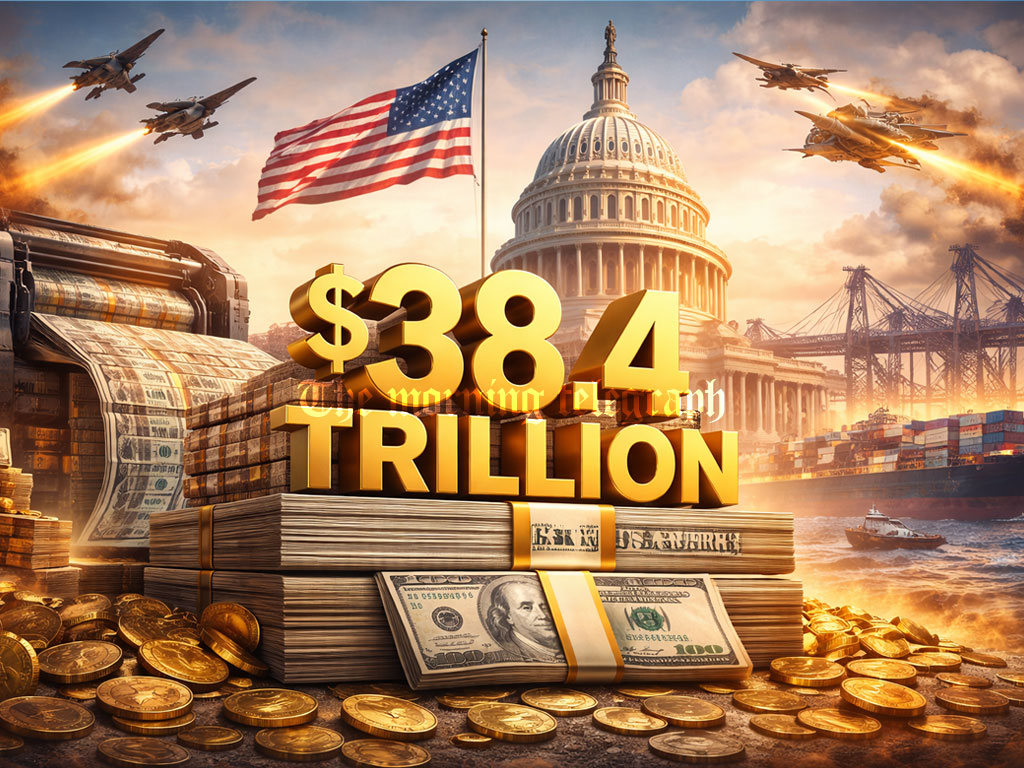
The United States national debt is projected to reach an astonishing $38.4 trillion by the end of 2025. For most countries, such a figure would signal disaster. Currencies would crash, inflation would spiral, and governments would edge toward bankruptcy. The world has seen this story unfold in Greece, Zimbabwe, and even closer to home. Yet America, the world’s biggest debtor, continues to dominate the global economy. The question many ask is simple: why has the United States never gone bankrupt?

The first and most decisive reason is the status of the US dollar as the world’s “Global Reserve Currency.” Almost all international trade, from oil and gold to sovereign debt settlements, is conducted in dollars. Central banks across the globe must hold dollar reserves to function. Whether China is exporting goods or India is importing fuel, dollars remain essential. This relentless global demand means that even when the United States prints money or accumulates debt, the dollar’s value does not collapse easily. Economists describe this rare advantage as “Exorbitant Privilege.”
The second pillar of America’s resilience is that it borrows in its own currency. Countries like Sri Lanka borrow in dollars but earn in local currency, creating constant pressure when exchange rates shift. The United States faces no such trap. When it needs to service debt, it can issue dollars through the Federal Reserve. As long as debts are payable in its own currency, the country cannot technically go bankrupt.
Third, the United States is widely seen as the world’s safest investment destination. Nations such as China and Japan do not simply store their dollars. They invest them in US Treasury bonds. In effect, rival economies willingly lend money to Washington. This trust rests on the belief that the American government will always honor its obligations, even during global crises. As a result, there is never a shortage of lenders when the US needs financing.
Fourth is America’s unmatched military and political power. The United States exerts enormous influence over global institutions like the IMF and World Bank. Its military presence reinforces confidence in the dollar-based financial system. Any serious attempt to bypass the dollar carries geopolitical consequences, discouraging challenges to its dominance.
Finally, much of America’s debt is owed internally. Over 70 percent is held by US government agencies, pension funds, and domestic investors. Owing money to oneself is far easier to manage than owing it abroad.
Still, this system is not guaranteed forever. Groups like BRICS are actively exploring alternatives to dollar dominance. For now, however, even in 2025, the game remains firmly in America’s hands.