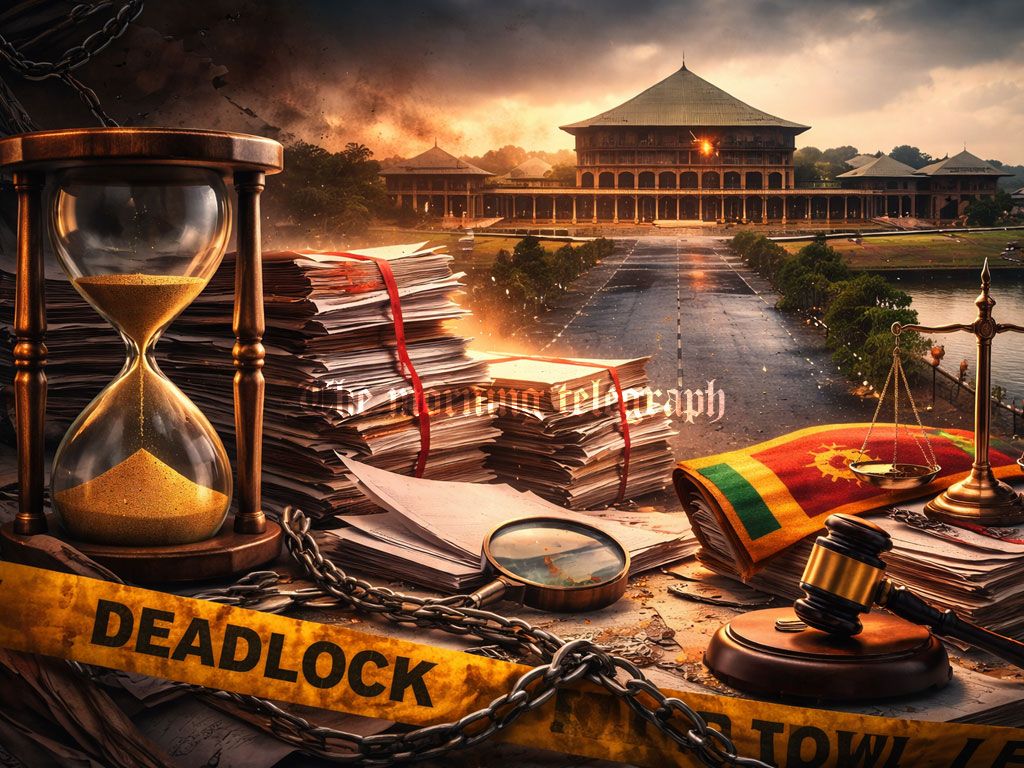
A bitter standoff over the Auditor General’s appointment has exposed deep political fault lines, threatening parliamentary oversight and testing the resilience of Sri Lanka’s constitutional safeguards.
A growing dispute over the appointment of Sri Lanka’s Auditor General has sharpened tensions between the government and the opposition, raising serious concerns about the functioning of key oversight institutions and the country’s system of checks and balances.
At the center of the deadlock is the Constitutional Council, established in 2001 to limit executive power by requiring cross party consent for appointments to top state positions. Although the president holds authority to appoint the Auditor General, the decision must receive council approval. The government states that President Anura Kumara Dissanayake submitted four different nominees on four occasions, but none were approved. Officials claim that non political members of the council are pursuing their own agendas and obstructing the process.

Opposition parties reject this accusation, arguing instead that the government is deliberately delaying the appointment until it can reshape the council in its favor. They point out that the terms of three civil society representatives, appointed in 2022 during former president Ranil Wickremesinghe’s tenure, are due to expire on January 18. According to the opposition, repeated nominations were floated in anticipation of appointing more compliant members once those terms end. Despite being approved under a previous administration, the three representatives have built a reputation for independence, having rejected several presidential nominations in the past, including those linked to the anti corruption commission.
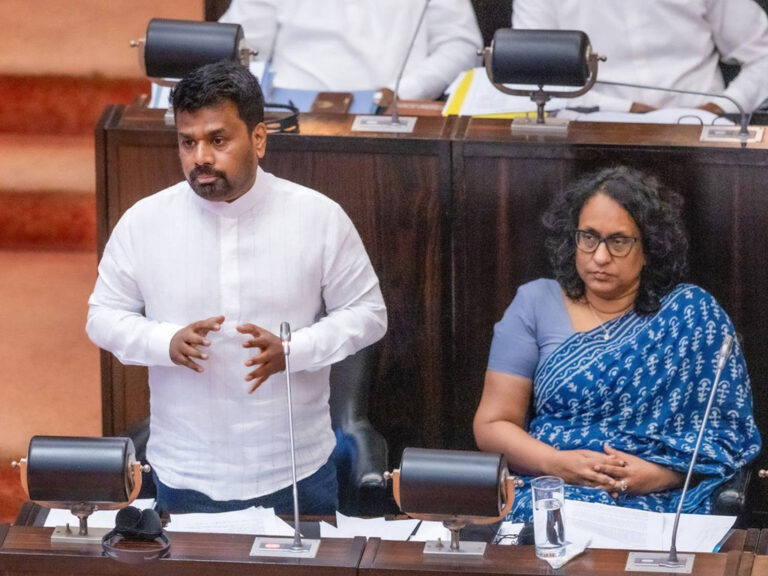
The impasse carries wider governance implications. Under Sri Lanka’s constitution, the Auditor General plays a critical role in parliamentary oversight through the Committee on Public Enterprises and the Committee on Public Accounts. Lawmaker and attorney Dayasiri Jayasekara warned Parliament that without an Auditor General, these committees cannot legally meet, effectively paralysing scrutiny of public finances at a time of economic fragility.
Political tensions intensified further after a vote by council member Sridharan of the Tamil United Liberation Front aligned with the government, shifting the internal balance and prompting his party to reportedly seek his resignation.
With only days remaining before the civil society members’ terms expire, attention has turned to whether Prime Minister Harini Amarasuriya and Opposition Leader Sajith Premadasa can reach consensus on new appointments. Failure to do so could prolong the vacancy, deepen institutional paralysis, and weaken democratic accountability.