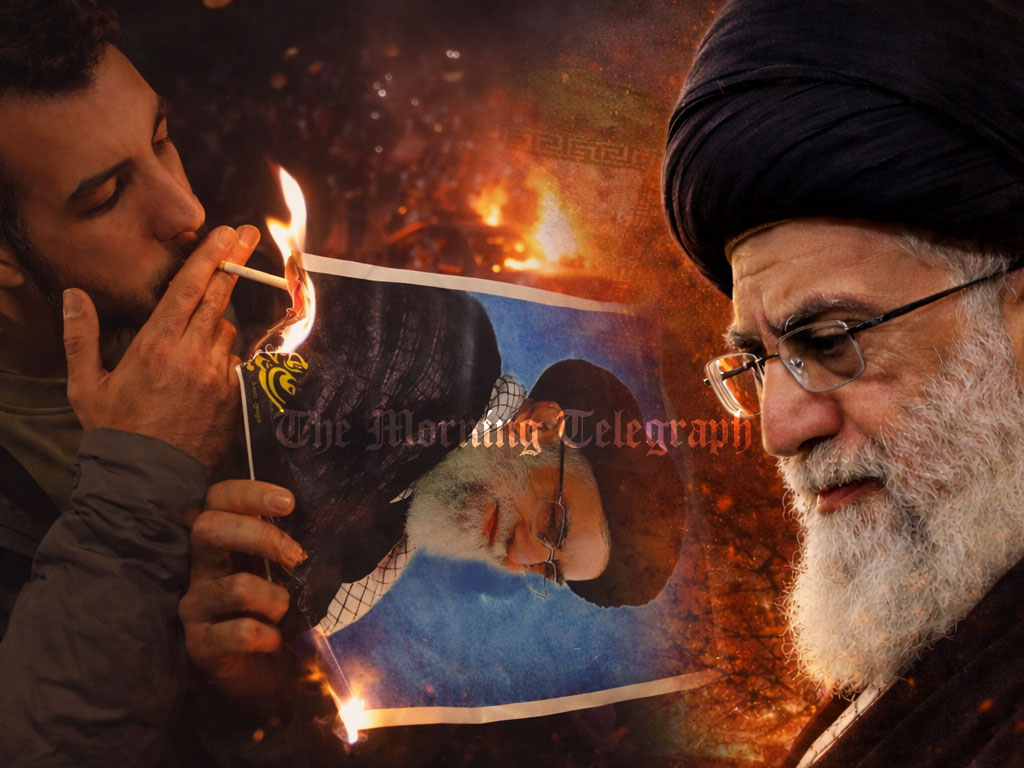
Rare phone calls, leaked videos, and activist accounts point to a brutal state crackdown that may have claimed tens of thousands of lives, raising fears of the deadliest episode of mass killing in Iran’s modern history.
Information slowly emerging from Iran suggests that the government’s effort to crush more than two weeks of nationwide anti-government protests has been far more lethal than previously acknowledged. As limited phone connectivity briefly reopened, two sources, including one inside the country, told CBS News that at least 12,000 people may have been killed, with some estimates reaching as high as 20,000.

These figures dwarf earlier tallies released by activist groups abroad, many of which have repeatedly warned that their counts were likely underestimates due to the severe information blackout imposed by Iranian authorities. The sudden flow of calls from inside the Islamic Republic has now revealed a far grimmer picture of the state response.
Speaking in the British Parliament, Yvette Cooper said the United Kingdom believed “may have been 2,000 people killed, there have been more. My fear is that the number may prove to be significantly higher.” Her remarks underscored the uncertainty surrounding the death toll and the difficulty governments face in verifying events inside Iran.
Establishing the truth has been extraordinarily difficult. Iran’s leadership cut off internet access and most phone services nationwide for five consecutive days, isolating the country from outside scrutiny. While some Iranians managed to place outbound calls on Tuesday, incoming calls from abroad remained impossible, leaving families, journalists, and human rights groups largely blind.
A source inside Iran told CBS News that activist networks compiling reports from hospitals and medical officials across multiple provinces believe the death toll has already reached at least 12,000 and could be closer to 20,000. The same source said security forces were visiting private hospitals across Tehran, pressuring staff to surrender the names and addresses of those being treated for protest-related injuries. Activists say this has driven many wounded protesters into hiding, further obscuring the scale of casualties.
CBS News said it has not been able to independently verify the highest figures, which are many times larger than recent activist estimates. Even so, multiple independent sources now point toward a death toll far exceeding official statements. The opposition Iran International television network reported that its own information suggested around 12,000 people had been killed. A source in Washington with contacts in Iran told CBS News that a credible source believed the figure was likely between 10,000 and 12,000.
Iranian officials have avoided providing regular nationwide casualty updates. Reuters quoted an unnamed Iranian official as saying roughly 2,000 people had been killed since protests began on December 28, blaming the violence on foreign-influenced “terrorists” and alleging that agitators were paid to sow chaos.
Meanwhile, graphic evidence has begun to surface. CBS News verified video footage posted online showing at least 366 bodies, and likely more than 400, piled inside a morgue in a Tehran suburb. The footage shows forensic personnel documenting severe injuries while crowds appear to search for missing relatives. Visible wounds include gunshot injuries, shotgun pellet damage, deep gashes, and other signs of extreme violence.
The 16-minute clip was first shared by Iranian activist and blogger Vahid Online, who said it was sent by a source who traveled nearly 600 miles to upload it during the communications blackout. The video shows blood-soaked clothing and bodies bearing what appear to be bullet and shotgun wounds.
The protests were initially sparked in late December by anger over rising living costs in Iran’s sanctions-hit economy. They quickly escalated into mass demonstrations across all 31 provinces, with tens of thousands chanting for the downfall of the Islamic Republic. The unrest drew international attention and warnings of possible U.S. intervention from then President Donald Trump.
Even the lower death toll mentioned by Cooper would, if confirmed, exceed any officially reported casualty figure from anti-regime protests since the 1979 Islamic Revolution. Asked about the number of deaths, Trump said, “Nobody’s been able to give me an accurate number,” while repeatedly warning Tehran that killing protesters would trigger consequences.
In a social media post, Trump urged demonstrators to continue protesting and promised support, though he offered no details about what form that help might take. His national security team was reportedly reviewing a wide range of military and covert options, according to U.S. officials speaking anonymously.
Human rights advocates say the crackdown may be worse than feared. Mahmood Amiry-Moghaddam, head of the Norway-based group Iran Human Rights, said the information received shows the violence “has probably been much worse than we can even imagine.” He warned that international red lines had been crossed and urged global powers to act to protect civilians.
Amiry-Moghaddam did not call for military action but appealed for measures to restore communication tools for Iranians. He said his organization received video evidence of a single attack in Mazandaran province that allegedly killed 75 people, though details could not be released without endangering sources.
Despite official claims that unrest was orchestrated by foreign-backed terrorists, Amiry-Moghaddam said many Iranians reject that narrative. He said frustration with the regime runs so deep that people across ideological divides share one priority: ending the current system.
Iran remains largely cut off from the outside world, and the full human cost of the crackdown may not be known for months. What has emerged so far, however, points to a scale of violence that could mark the darkest chapter in Iran’s modern history.