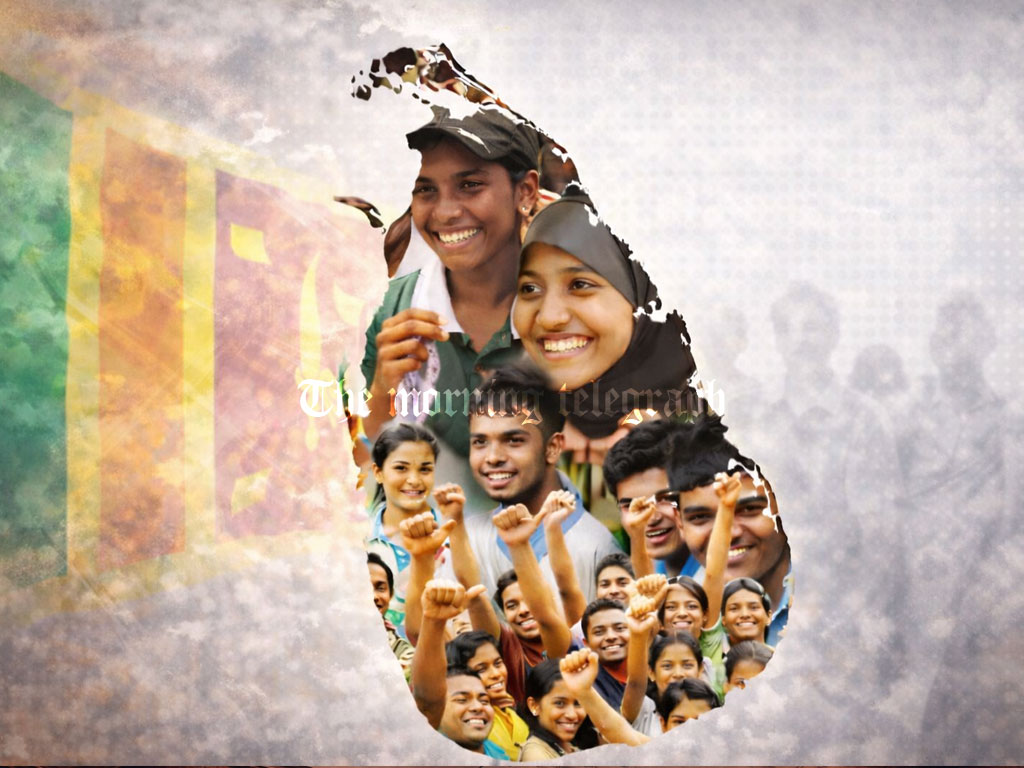
Sri Lanka’s education system stands at a crossroads, with growing questions over whether it is truly equipping young people to heal from conflict, lead with confidence, and rebuild the nation for a stronger future.
A Catalyst for Regional Transformation and Healing
Introducing a structured school leadership program in Sri Lanka represents a timely and potentially transformative intervention, particularly for regions still grappling with the long-term consequences of war and social disruption. For many young learners, childhood and adolescence have unfolded amid instability, limited opportunities, and persistent socio-economic pressures. In this context, leadership education can become far more than an extracurricular activity. It can function as a platform for restoring confidence, nurturing essential life skills, and reawakening a sense of hope.

By focusing on the development of capable, compassionate, and forward-thinking young leaders, such programs can help uplift entire communities. They demonstrate to students that their past circumstances do not define their future potential. Just as importantly, they signal to parents and educators that the education system is evolving beyond exam-centered instruction to embrace holistic human development alongside academic achievement. When leadership learning connects classroom knowledge with real-world challenges, education becomes a living process that prepares students to navigate complexity with purpose and resilience.
A dedicated leadership framework also encourages young people to see themselves as contributors rather than passive recipients of opportunity. Through activities such as community service, peer mentoring, and student-led initiatives, learners are introduced to teamwork, civic responsibility, and ethical decision-making. In regions seeking to rebuild social cohesion after years of division, empowering youth to participate actively in community life fosters trust, unity, and long-term stability. These programs also equip students with critical thinking, problem-solving, and communication skills that are increasingly valued in higher education and the modern job market. For areas undergoing economic recovery, such competencies enable young people to pursue further studies, secure meaningful employment, and contribute productively to regional development.
Given the Northern Province’s history of conflict, leadership education can also play a significant role in strengthening social harmony. Initiatives that promote cooperation, respect for diversity, and peaceful conflict resolution help students confront inherited fears and prejudices. As young leaders learn to value inclusiveness and empathy, they become agents of peace, shaping environments that discourage the re-emergence of conflict and encourage future generations to live with dignity and mutual respect.
Rebuilding Psychological Resilience and Self-Identity
One of the most profound impacts of leadership education lies in its ability to rebuild emotional stability and self-confidence among students. Many young Sri Lankans continue to live with the psychological echoes of displacement, loss, and uncertainty. Leadership training that emphasizes communication, self-awareness, and positive identity formation helps students rediscover purpose and courage. This emotional resilience is essential not only for academic success but also for personal growth and informed decision-making about the future.
When students learn to understand and regulate their emotions, and to recognize their individual strengths, they begin to move from a mindset of survival to one of growth and aspiration. This internal transformation forms the basis of self-leadership, the foundation upon which effective leadership of others is built, especially in a post-conflict society. Through guided reflection and mentorship, students develop healthier responses to stress and interpersonal challenges, reducing tendencies toward aggression or withdrawal. Over time, this process helps break cycles of transgenerational trauma and creates ripple effects that extend into families and communities, fostering more supportive and peaceful social environments.
Addressing the Gaps in Existing Educational Frameworks
Sri Lankan schools already offer limited forms of leadership exposure through prefect systems and student councils. While these structures provide basic organizational and teamwork experience, they are often narrow in scope and unevenly implemented. Significant disparities exist between urban schools and rural or conflict-affected areas, where resources and mentorship opportunities are limited.
Many current initiatives lack continuity and fail to cultivate higher-order skills such as strategic thinking, decision-making under pressure, and long-term planning. Expanding leadership programs to include sustained mentoring, project-based learning, and real-world problem solving is essential if students are to be prepared for modern challenges. Standardizing leadership curricula across regions would help ensure that students in remote villages have access to the same quality of training as those in major cities. Such equity is critical for closing opportunity gaps and fostering a merit-based leadership culture.
Moving beyond the traditional prefect model also allows for a more inclusive understanding of leadership. Every student, regardless of academic ranking or social background, can learn to lead within their own context. This inclusive approach broadens participation, encourages confidence, and reinforces the idea that leadership is a skill that can be developed, not a privilege reserved for a select few.
Cultivating Civic Responsibility and Social Cohesion
Leadership education plays a vital role in nurturing civic responsibility among young people. By engaging students in community projects, service learning, and peer collaboration, schools can instill a sense of responsibility toward the wider society. In regions working to rebuild social cohesion, youth empowerment becomes a powerful force for unity and trust.
As students collaborate to address local challenges, they begin to view themselves as change agents rather than observers. This sense of ownership encourages sustainable, community-driven solutions and strengthens social bonds. Service learning also bridges the gap between ethical theory and practical compassion, helping students understand that leadership is ultimately measured by positive impact on others’ lives.
Equipping Youth for the Modern Global Market
The demands of the global economy require far more than subject knowledge. Leadership programs equip students with transferable skills such as critical thinking, effective communication, adaptability, and decision-making. These abilities expand opportunities beyond traditional classroom outcomes and prepare young people to compete in a rapidly changing world.
In an era of digital transformation, the capacity to lead diverse teams and navigate complex environments is as important as technical expertise. Leadership education ensures that Sri Lankan graduates are prepared to engage with the international knowledge economy while remaining grounded in local realities. Skills in persuasion, negotiation, and collaboration also empower students to advocate for their own careers and contribute meaningfully to the economic advancement of their communities.
Promoting Peace through Inclusivity and Empathy
Sri Lanka’s history underscores the importance of inclusive and empathetic leadership. Leadership programs that emphasize dialogue, respect for diversity, and peaceful conflict resolution help students confront long-standing divisions. By learning that leadership is about bringing people together rather than exercising power over others, young people develop the cultural intelligence needed for national unity.
Inclusive leadership practices dismantle mistrust and encourage cooperation across ethnic, religious, and social lines. This approach helps ensure that future leaders prioritize the common good over narrow interests, laying the groundwork for lasting peace and social stability.
Building a Productive and Innovative National Workforce
From an economic perspective, leadership education is an investment in Sri Lanka’s long-term prosperity. By nurturing disciplined, innovative, and adaptable youth, the country strengthens its workforce for a knowledge-driven economy. Leadership-trained students are more likely to engage in entrepreneurship, create employment opportunities, and contribute to higher productivity.
Such outcomes support economic recovery in conflict-affected regions while enhancing national competitiveness. A workforce equipped with leadership skills is also more resilient to market fluctuations, capable of adapting strategies and finding creative solutions during periods of uncertainty.
Strengthening Democratic Values and Governance
Leadership initiatives also reinforce democratic values by fostering civic awareness and ethical decision-making. Educated and empowered youth are more likely to participate responsibly in democratic processes and advocate for transparency and accountability. In societies marked by political tension, cultivating a culture of dialogue and inclusivity among young people strengthens social cohesion and democratic stability.
Ethical leadership education challenges patronage systems and promotes merit-based governance. By encouraging students to demand integrity from leaders and practice it themselves, schools can help build a more politically mature electorate that values long-term national interests over short-term rhetoric.
A Legacy of Visionary Leadership
Ultimately, introducing comprehensive leadership programs in Sri Lankan schools represents a decisive step toward shaping a resilient and socially responsible generation. By integrating emotional intelligence, ethical reasoning, and real-world engagement into education, the system prepares youth not just for employment but for meaningful leadership.
As these students mature into compassionate and capable leaders, their influence will extend beyond classrooms into communities and institutions across the country. Investing in youth leadership today is an investment in a future that is prosperous, stable, and inclusive. It is through such deliberate educational transformation that Sri Lanka can secure a legacy defined by unity, dignity, and sustainable national renewal.