Energy experts warn that Sri Lanka’s new electricity policy could punish low-income households while rewarding high-end users, raising serious concerns over legality, fairness, and renewable energy priorities.
Sri Lanka’s National Electricity Policy and the process followed to formulate it are completely illegal, according to energy expert Dr. Vidura Ralapanawa. He says the policy has been drafted to suit the interests of specific groups rather than the general public.

Dr. Ralapanawa made these remarks at a roundtable discussion organized by the Environmental Justice Center at the Narayana Swamy Hall of the Hector Kobbekaduwa Agricultural Research and Training Institute, where the National Electricity Policy was examined in detail.
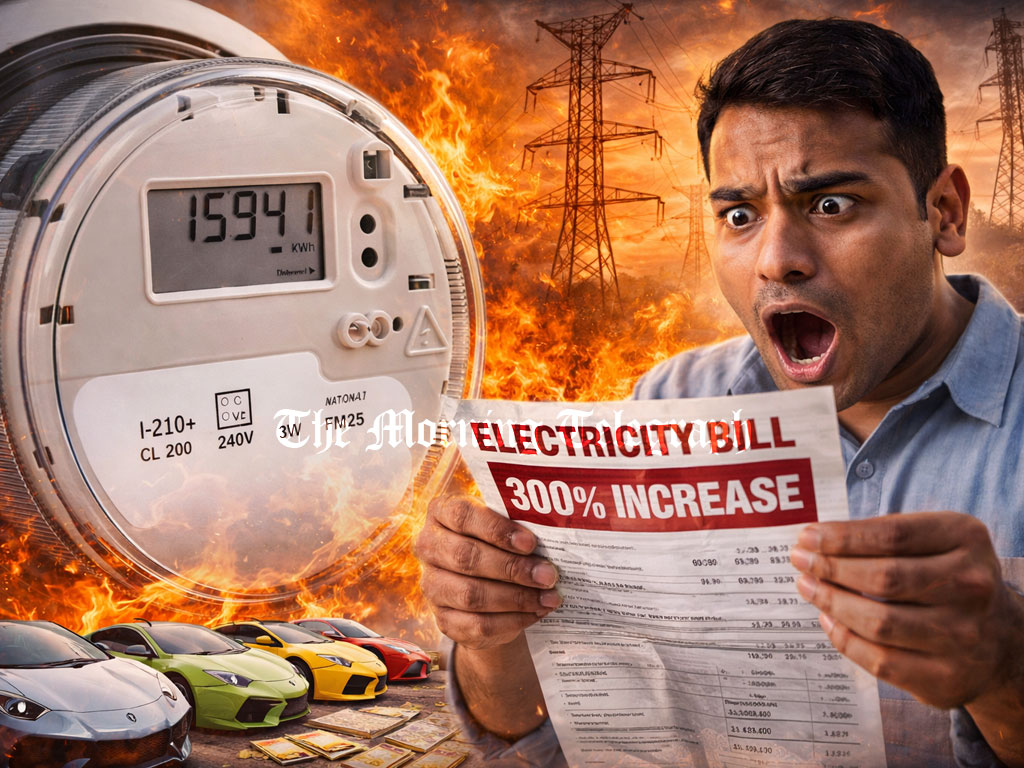
He explained that under the policy, consumers using less than 60 units of electricity per month will face steep increases. Electricity bills for users consuming between 0 and 30 units are set to rise by 300 percent, while those using between 30 and 60 units will see a 200 percent increase. Consumers using between 60 and 90 units will face a 50 percent hike, while places of religious worship will see electricity charges rise by 500 percent.
According to Dr. Ralapanawa, the only group receiving significant relief under this policy is high-end consumers using more than 180 units, indicating that the policy benefits wealthier users rather than ordinary households.
Energy expert Ashoka Abeygunawardena said the country needs a comprehensive energy policy rather than a narrow electricity policy. He added that the current government does not prioritize renewable energy and that this is clearly reflected in the policy.
Chairman of the Environmental Justice Center, Hemantha Withanage, noted that although the government pledged to increase renewable energy to 70 percent by 2030, this target is absent from the National Electricity Policy. He also said public understanding of the policy remains weak despite consultations being held.