By Jonathan Ferreira
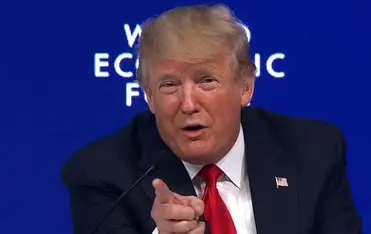
I was inside the room as President Donald Trump entered the Davos hall to a warm reception that began with a standing ovation and intense interest from the crowd. Security was exceptionally tight, with even prominent figures turned away as officials tried to control access. In the opening moments, Trump appeared calm and measured, offering friendly remarks and even expressing goodwill toward the United Kingdom. Many expected a forceful declaration of a new global economic order, yet the tone initially felt almost advisory, more reflective than confrontational, and notably different from his sharper public messaging in recent weeks.
As the speech continued, it became clear that Trump was attempting to soften his image after criticism from European leaders. He spoke warmly about western allies and even suggested he might avoid the controversial subject of Greenland. That restraint did not last long. The mood darkened as he praised Americas past role in European security before making remarks that unsettled the room. He suggested Europe owed its freedom to the United States and soon returned to his long stated ambition to acquire Greenland through negotiation. He insisted force was unnecessary while still demanding full ownership, framing the move as vital for security and future defence projects.
Reactions inside the hall were mixed and tense. Polite applause followed moments of charm, but disbelief spread as Trump pressed his arguments. Some leaders appeared stunned by his insistence that Greenland should change hands, even with reassurances of peaceful intent. Critics later argued he had retreated under pressure from figures like Emmanuel Macron and Mark Carney, while supporters questioned whether Congress would back such ambitions. Although Trump sought to lower tensions, he continued to criticize allies and personalize disputes. When the speech ended, the sense remained that its implications would echo far beyond Davos.