Jonathan Ferreira
Australia’s long-standing Liberal–National Coalition has fractured after a dispute over hate speech reforms introduced in the wake of the deadly Bondi Beach terror attack. The split throws fresh uncertainty over the leadership of opposition Liberal leader Sussan Ley and deepens instability within the country’s main conservative bloc following its heavy election defeat last year.
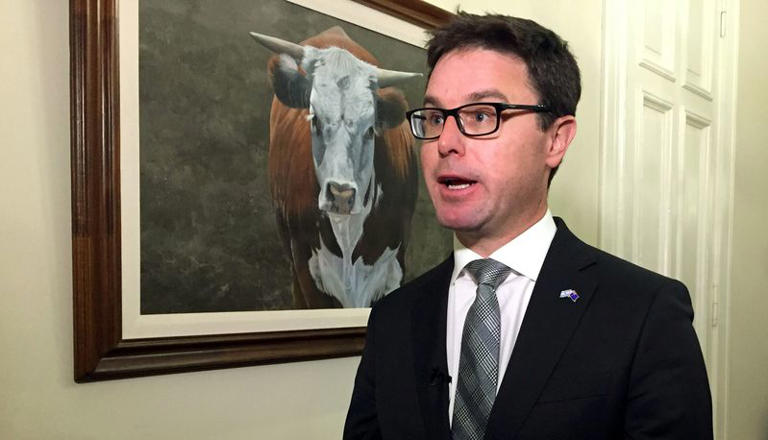
The break came after the Nationals refused to abide by a shadow cabinet decision to support hate speech legislation backed by the Labor government. Nationals leader David Littleproud said the disagreement made it impossible for his party to remain in the Coalition under Ley’s leadership. Announcing the split on a national day of mourning for the 15 victims of the Bondi attack, Littleproud described the situation as untenable, though he left open the possibility of a future reunion and suggested time apart might ultimately be beneficial.
While both Coalition parties opposed tighter gun control measures, the Liberals sided with Labor to pass hate speech reforms aimed at banning extremist groups and imposing tougher penalties on those advocating violence. The Nationals, citing concerns about rushed legislation and threats to free speech, abstained in the lower house and voted against the laws in the Senate, directly breaching Coalition discipline.
Tensions escalated when three Nationals frontbenchers resigned, prompting Ley to accept their departures despite warnings that it would trigger wider resignations. The rest of the Nationals’ shadow cabinet followed suit. Littleproud blamed both Prime Minister Anthony Albanese and Ley for mishandling the situation, while analysts noted Ley was already struggling to consolidate authority as the Liberal Party’s first female leader.
The Coalition, which dates back to the 1940s, has only split a handful of times, most recently in a brief rupture last year. Senior figures from both sides criticized the timing and handling of the dispute, with former prime ministers Malcolm Turnbull and John Howard offering sharply contrasting assessments. As recriminations continue, the opposition now faces questions not only about leadership but also about its ability to present itself as a credible alternative government.