Bold move to keep Sri Lanka’s audit system alive as a vacant Auditor General post paralyses oversight, accountability, and parliamentary scrutiny.
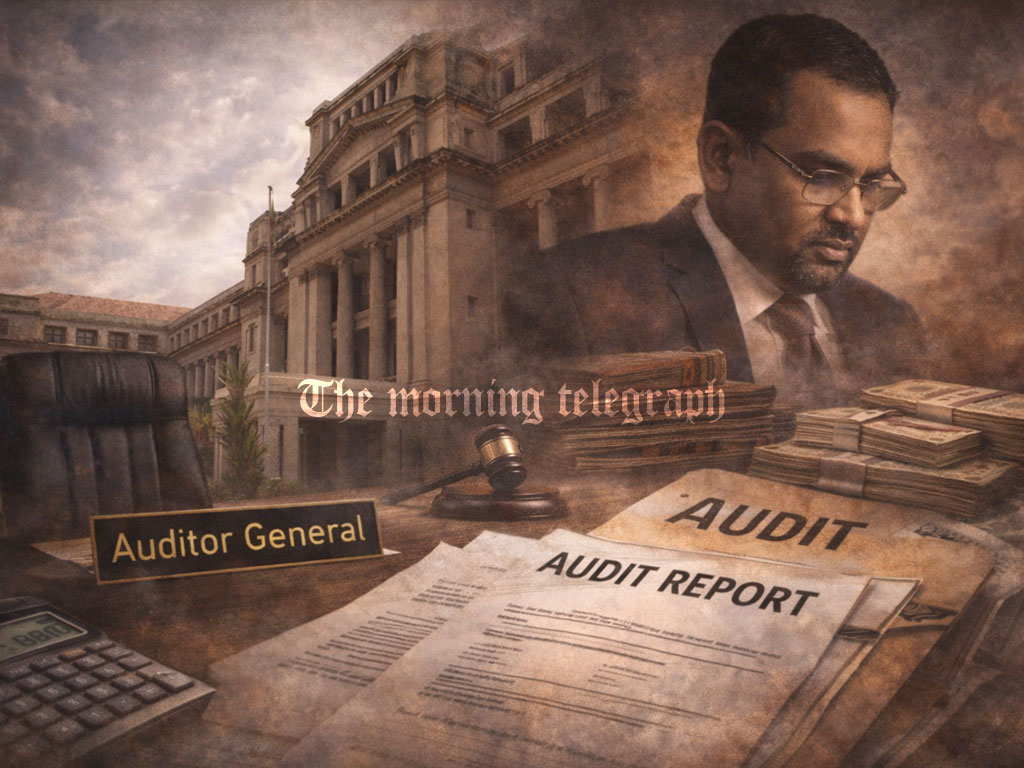
Sri Lankan President Anura Kumara Dissanayake has reassigned financial control of the National Audit Office to the Treasury Secretary as the country continues to face a prolonged vacancy in the Auditor General’s office. The decision is presented as a temporary measure to ensure continuity in national audit functions, but it has triggered serious debate about governance, institutional independence, and financial oversight.

The post of Auditor General has remained vacant for nearly ten months, disrupting the core work of the National Audit Office, including the issuing of audit reports, launching audit investigations, and carrying out internal administrative functions. This absence has also brought parliamentary oversight to a standstill, affecting the Committee on Public Enterprises and the Committee on Public Accounts, both of which rely on audit findings to examine public spending and state sector performance.
Sri Lanka’s parliamentary Standing Orders require an Auditor General for COPE and COPA to operate. Without one, these committees have been unable to proceed, creating a visible gap in accountability mechanisms at a time when public finance transparency is seen as critical to governance stability.
The vacancy arose after the retirement of W. P. C. Wickramaratne on April 8 last year. Senior Deputy Auditor General Dharmapala Gammanpila served as acting Auditor General until December 6, after which the position remained unfilled. Despite over three decades of service, the lack of a formal appointment has affected the broader system of checks and balances.
The transfer of financial authority to the Treasury is intended to keep operations running, but it also raises concerns about executive influence over audit independence and fiscal governance.