Sri Lanka will press ahead with its IMF programme unchanged, even as it mobilises massive resources to rebuild lives and infrastructure shattered by Cyclone Ditva.
President Anura Kumara Dissanayake on January 28 assured the International Monetary Fund that Sri Lanka remains fully committed to its IMF Extended Fund Facility, with no intention of altering the existing agreement, despite the severe economic and social impact of Cyclone Ditva.

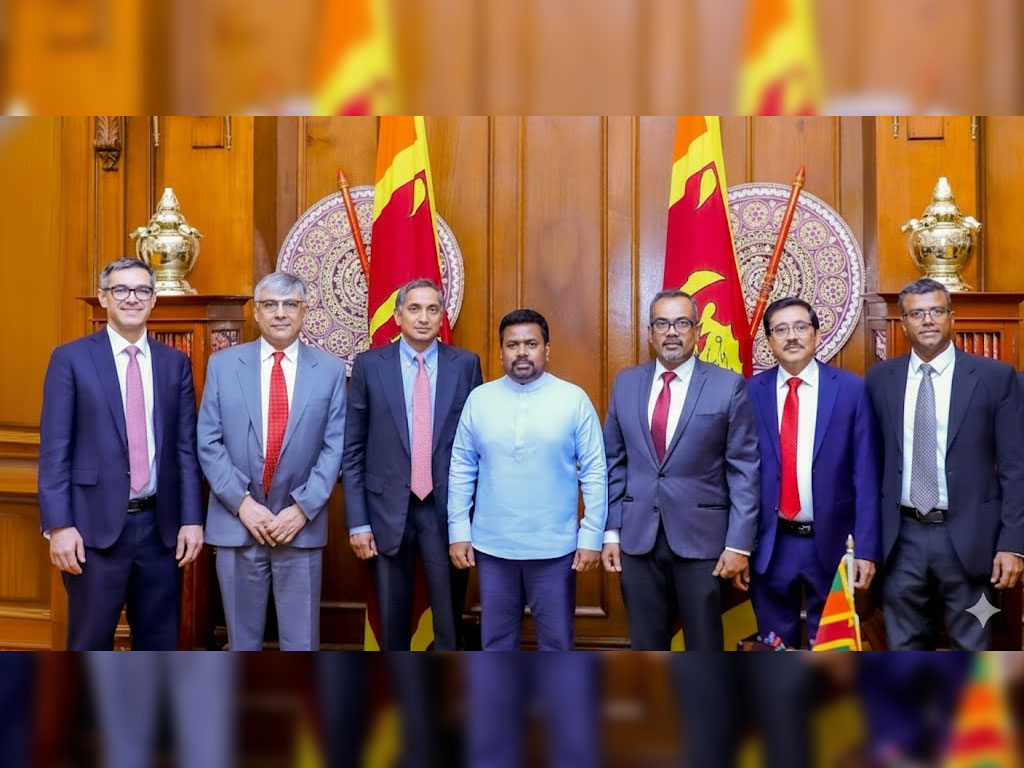
The assurance was given during a meeting at the Presidential Secretariat with an IMF delegation that arrived in Sri Lanka on January 22 to assess cyclone-related damage. The delegation toured affected areas across the island and met communities whose homes, livelihoods and infrastructure were devastated by the disaster.
IMF representatives expressed regret that the cyclone struck at a time when Sri Lanka’s economy was showing signs of recovery. They nevertheless commended the government’s swift response, noting the speed with which relief was delivered, infrastructure restored and livelihoods supported. According to the delegation, many affected citizens had praised the government’s handling of the crisis, calling it a significant achievement under difficult circumstances.
The IMF delegation also highlighted Sri Lanka’s strong fiscal discipline over the past year, describing it as a critical factor that enabled the government to respond effectively. They noted that the ability to present a supplementary estimate of Rs. 500 billion was made possible by a surplus in the Treasury, a development they said deserved high appreciation.
Despite the scale of the disaster, IMF officials observed that Sri Lanka remains on the right economic path and confirmed that discussions on the release of the sixth tranche under the Extended Fund Facility are expected to resume by March.
President Dissanayake stressed that rural communities already struggling with poverty were the hardest hit by Cyclone Ditva, with livelihoods and essential infrastructure suffering extensive damage. He said the Rs. 500 billion allocation was aimed specifically at protecting rural lives and rebuilding livelihoods, emphasizing that the move did not represent irresponsible financial management or a deviation from fiscal discipline.
The President reiterated that the government’s goal is to ensure economic gains reflected in statistics translate into real benefits for ordinary citizens, particularly those affected by the Easter attacks and the recent economic collapse. He added that future programmes would be guided by this principle and expressed confidence in continued IMF support.
Both sides agreed to continue the IMF Extended Fund Facility without any changes.
Senior government officials and IMF Asia Pacific leadership attended the meeting.