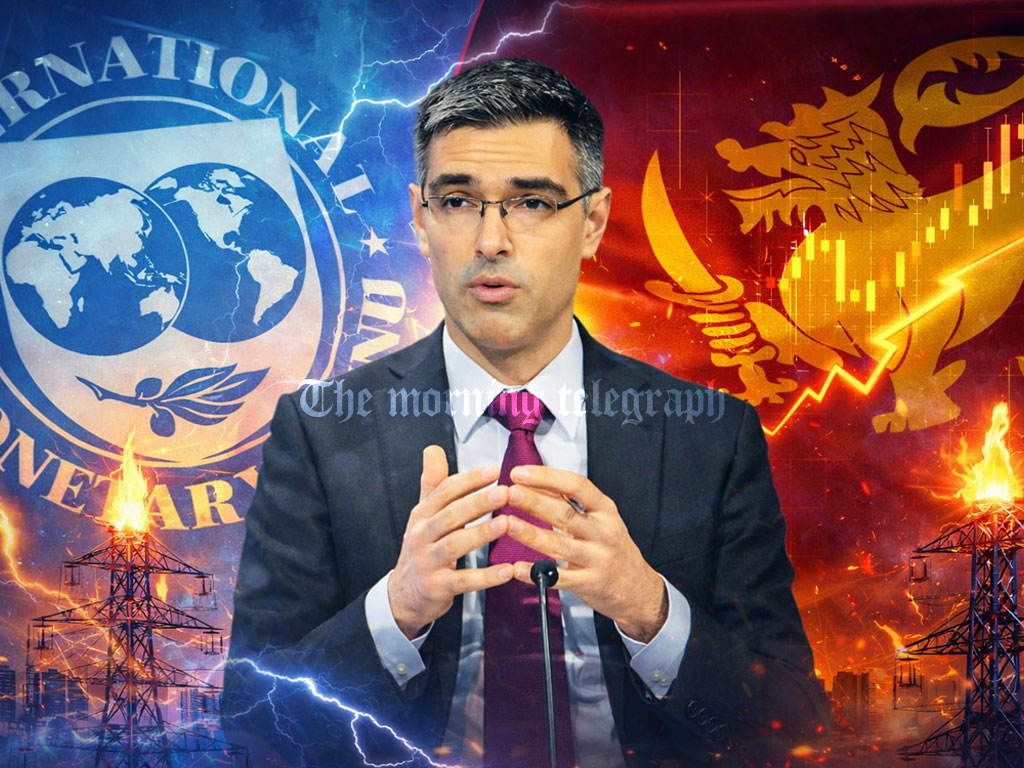
Bold questions from the IMF have put Sri Lanka’s power sector under fresh scrutiny, after missed deadlines, flawed submissions, and broken promises over electricity tariff reforms.
It is reported that the International Monetary Fund has questioned the failure of the Ceylon Electricity Board to submit its electricity tariff revision proposals to the Public Utilities Commission of Sri Lanka within the agreed timeframe.

Under the IMF-supported programme, the Ceylon Electricity Board is required to operate strictly under a cost based pricing formula. However, due to delays on the part of the Board, the scheduled tariff revision could not be implemented as planned.
The Public Utilities Commission had formally directed the Electricity Board to submit its revised tariff proposal on or before November 14, 2025. Despite this clear directive, the proposal was submitted only on December 29, 2025, well beyond the deadline. It has also been revealed that the submitted report contained several errors and deficiencies.
Although the Commission instructed the Board to correct these shortcomings and resubmit the proposal before January 08, 2026, the Electricity Board failed to deliver a complete and acceptable revision within that period.
An IMF delegation led by Mr. Ivan Papageogio visited Sri Lanka from January 22 to 28. During discussions, the impact of the cyclone was reviewed, while IMF officials also raised concerns about the Electricity Board’s repeated failure to meet submission deadlines.
Sri Lankan authorities have assured the IMF that the next electricity tariff revision proposal will be submitted within the stipulated time. The Ceylon Electricity Board has requested an electricity tariff increase of 11.57 percent, proposed to take effect from January 2026.