By Jonathan Ferreira
Beijing signals cooperation on trade and diplomacy, but draws a firm red line on Taiwan as Xi and Trump hold what both sides call a candid and constructive call.
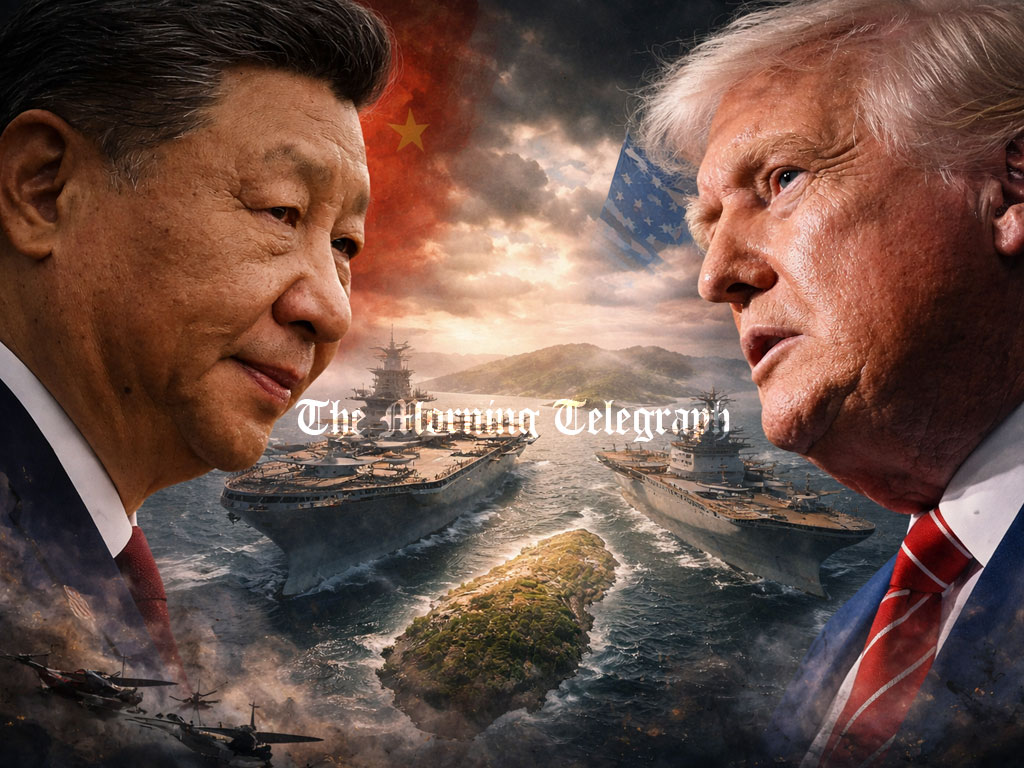
China’s leader Xi Jinping has urged the United States to act with caution when supplying weapons to Taiwan, describing the island as the most sensitive and important issue in China–US relations. The warning came during a phone call with US President Donald Trump, which both leaders characterised as constructive and wide-ranging. According to Chinese state media, Xi said Beijing attached great importance to ties with Washington and hoped differences could be managed through dialogue and mutual respect.

Trump described the conversation as “excellent” and “long and thorough”, highlighting what he called a strong personal relationship with Xi. He said the two leaders discussed a broad set of global issues, including Russia’s war in Ukraine, Iran, and energy cooperation, as well as China’s potential plans to significantly increase purchases of US soybeans. Trump added that he was looking forward to a planned visit to China in April, signalling continued high-level engagement between the two powers.
On Taiwan, however, the tone was more guarded. Xi reiterated Beijing’s position that Taiwan is part of China and said the US must handle arms sales to the island prudently. China has long opposed Washington’s military support for Taiwan, which it views as encouraging separatism. The warning follows a major US arms package approved late last year, worth around $11bn, which included advanced missile systems and artillery.
The US, while formally recognising Beijing rather than Taipei, remains Taiwan’s strongest military backer and has for decades balanced this relationship under its “One China” policy. Taiwan’s President Lai Ching-te responded to the call by reaffirming that relations with Washington remain “rock solid”.
The conversation comes amid a period of relative easing in US–China tensions after months of trade disputes and technology restrictions. Recent agreements on tariffs, rare earth exports, soybeans and TikTok suggest both sides are seeking stability, even as deep disagreements over Taiwan and security continue to define the relationship.