A revealing look at cricket diplomacy, regional power struggles, and the moment Sri Lanka found itself isolated amid India–Pakistan political theatre.
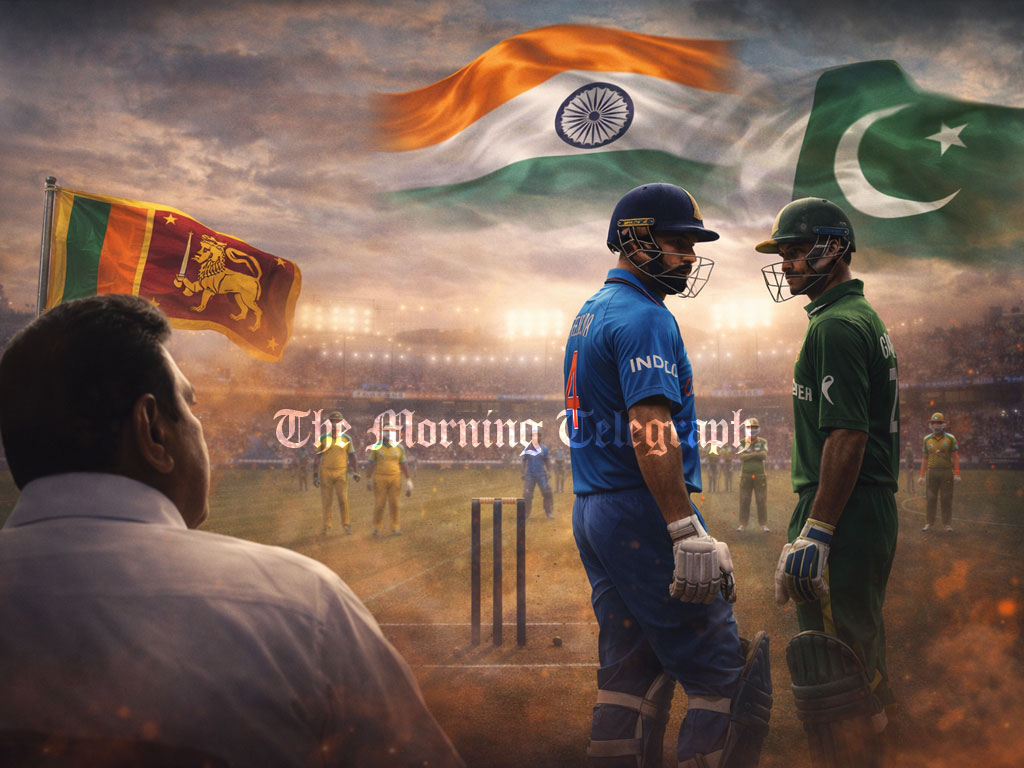
The intersection of cricket and geopolitics in South Asia has often blurred the line between sport and statecraft. After the 2008 Mumbai bomb attacks, diplomatic relations between India and Pakistan deteriorated sharply. Bilateral cricket tours were suspended, and both nations chose not to play matches on each other’s soil. Yet, even in tension, cricket diplomacy found space to operate. In 2011, Indian Prime Minister Manmohan Singh invited Pakistani Prime Minister Yusuf Raza Gilani to attend the India–Pakistan World Cup semi final in Mohali. The gesture was widely seen as a soft diplomatic thaw.

Amid this high profile political symbolism, Sri Lanka’s position became complicated. Mahinda Rajapaksa, then President of Sri Lanka, publicly expressed his desire to attend the Sri Lanka–India World Cup final scheduled in Mumbai. However, domestic political pressures within India altered the equation. With post war sensitivities still intense in Sri Lanka’s North, political parties in Tamil Nadu urged New Delhi not to extend an invitation to Rajapaksa. During the Congress led administration, Tamil Nadu’s influence significantly shaped India–Sri Lanka foreign policy. Ultimately, no official invitation was issued.
Determined not to be sidelined, Rajapaksa decided to travel privately to India after purchasing tickets. Even then, his delegation struggled to secure the required number of seats. In contrast, during the India–Pakistan encounter, arrangements had already been made for the respective Prime Ministers to meet their national teams. Rajapaksa’s request to greet the Sri Lankan cricket team before the final was declined. Later, India arranged seating with the Indian President as a courtesy gesture, yet Rajapaksa was not permitted to step onto the field for a commemorative photograph with the victorious Indian side, as he was not an official state guest.
At that moment, while India and Pakistan used cricket as a diplomatic bridge, Sri Lanka stood isolated. The episode highlighted the fragile intersection of sport, politics, and regional power dynamics.
Years later, the situation reversed. When India and Pakistan again faced tensions and Pakistan considered boycotting matches in Sri Lanka, Colombo stepped in to facilitate dialogue. Sri Lanka Cricket officials criticised Pakistan’s boycott stance, reminding observers that Sri Lanka’s national team had toured Pakistan despite serious security threats and past terrorist attacks. That intervention reflected Sri Lanka’s evolving role as mediator within South Asian cricket diplomacy.
The story remains a striking example of how World Cup cricket, foreign policy, and regional alliances intertwine beyond the boundary rope.