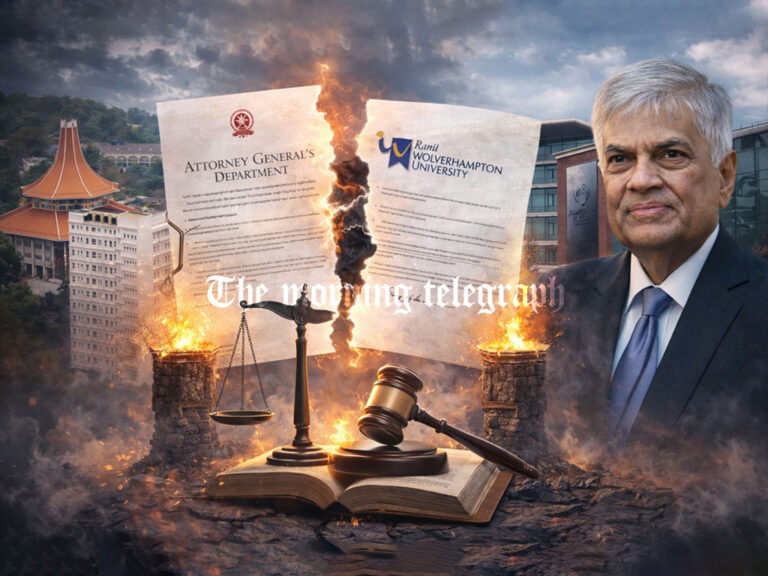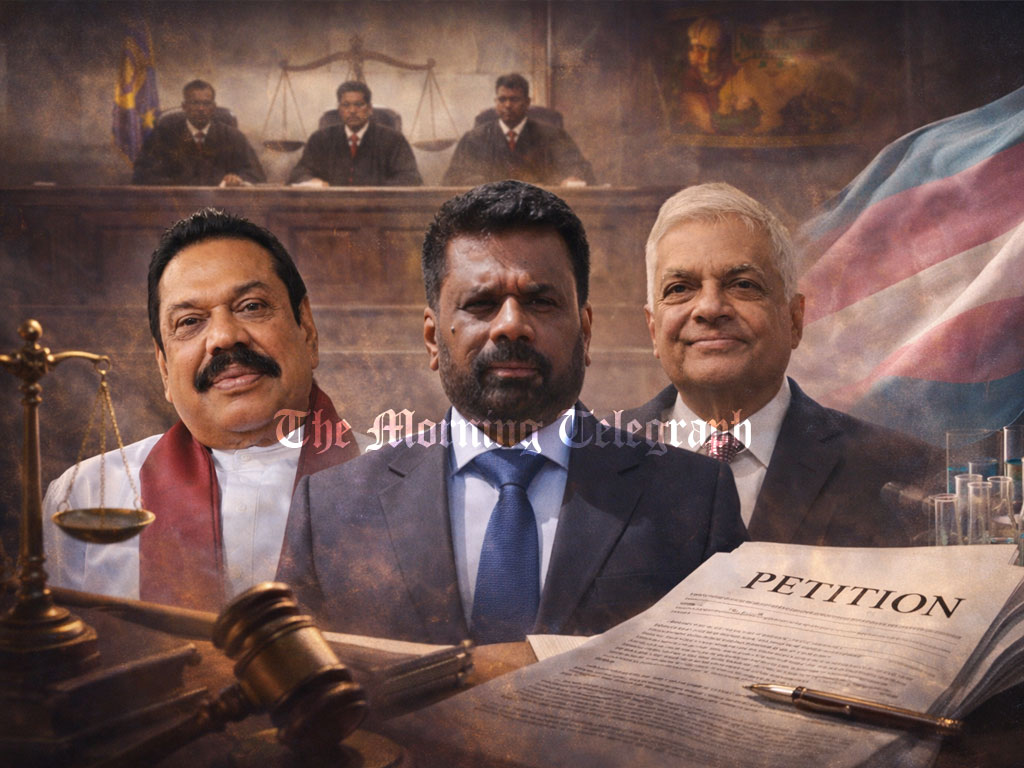
A high-stakes fundamental rights petition challenges Sri Lanka’s gender reassignment regulations, summoning key political figures to answer before the nation’s highest court.
The Supreme Court has agreed to hear a fundamental rights petition contesting government regulations that permit individuals to legally change their gender following medical procedures. In a significant development, notices have been ordered on several respondents, including former Presidents and senior state officials, directing them to respond to the claims raised in the case.

The petition was filed by Shantha Jayathilaka, a retired Sri Lanka Air Force officer. A three-judge bench comprising Justices Preethi Padman Surasena, Shiran Gunaratne and Achala Vengappuli considered the matter and fixed July 20 for further hearing.
The petitioner argues that Sri Lankan law does not recognize gender change based solely on personal choice, apart from biological factors determined at birth. He challenges the legality of issuing new birth certificates and national identity cards to individuals who have undergone gender reassignment surgery, citing health sector guidelines introduced in 2016.
The petition further claims that facilitating gender reassignment indirectly opens the door to same-sex marriage, which remains unrecognized under existing law. It also references a prior court determination suggesting that major constitutional changes require public approval through a referendum.
The petitioner seeks a declaration that his fundamental rights have been violated and requests the Supreme Court to invalidate all circulars and state policies enabling gender identity changes. Named respondents include former Presidents Maithripala Sirisena and Ranil Wickremesinghe, the Attorney General, the Director General of Health Services and the Minister of Women’s Affairs representing the current administration.