A decade-long legal silence over alleged anti-Islam remarks forces Sri Lanka’s Attorney General’s Office to answer tough questions on accountability, due process, and the rule of law.
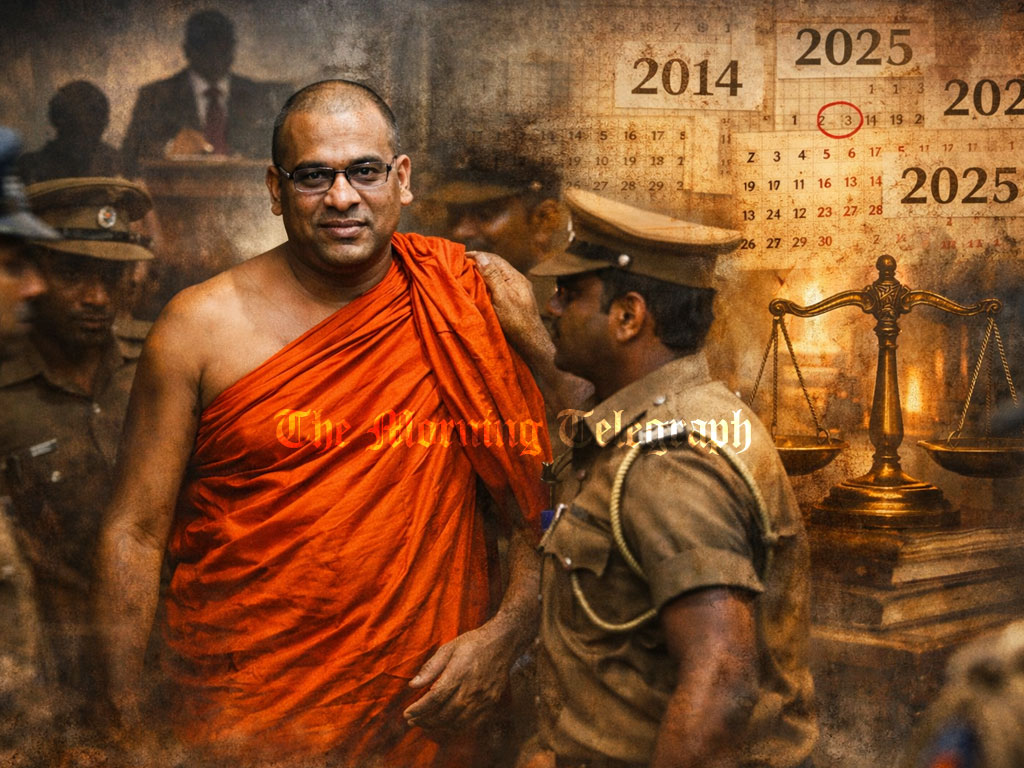
A Sri Lankan court has stepped into a controversy that has lingered for more than a decade, ordering the Attorney General’s Office to explain why legal proceedings against Bodu Bala Sena General Secretary Galagoda Aththe Gnanasara Thero were not pursued in a timely manner. The case stems from allegations that the hardline monk made statements insulting Islam during a 2014 press conference in Colombo’s Kompanyaveediya area.

Fort Magistrate Isuru Neththikumara issued the directive on February 11, stressing that under standard legal practice, action should generally be initiated within three months of an alleged offense. The court questioned why authorities failed to seek the Attorney General’s advice for over ten years and instructed police to provide clear reasons for the prolonged 11-year delay.
The magistrate further observed that if sufficient evidence exists, prosecution must proceed without unnecessary delay. If not, the accused should be discharged in line with due process and constitutional safeguards. The order places renewed scrutiny on investigative procedures, prosecutorial responsibility, and legal accountability in cases involving sensitive communal matters.
Gnanasara Thero, known for nationalist rhetoric and previous legal controversies, appeared in court and remains out on bail. His organization, Bodu Bala Sena, has previously been linked to religious and ethnic tensions in Sri Lanka.
This case now reignites debate over hate speech laws, interfaith harmony, and judicial independence. The court’s intervention compels state legal authorities to justify the delay and clarify whether the long-pending case will finally move toward trial.