A deep dive into how alleged tender manipulation, substandard coal imports, and media spin have ignited one of Sri Lanka’s most explosive energy sector controversies.
If there is one political force in recent history that mastered public narrative after coming to power, critics argue it is Compass. According to opponents, no other administration has matched its ability to manage propaganda, shape media discourse, and control how allegations are presented to the public.

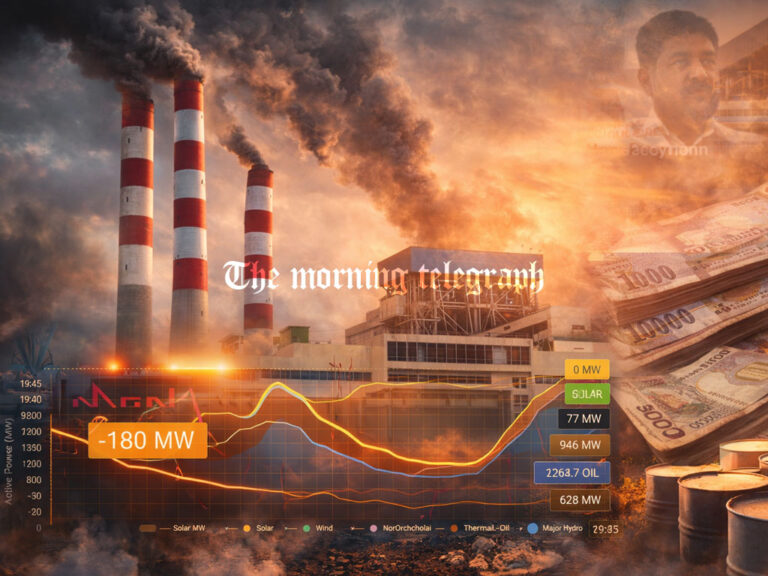
They point to the so called coal scam as the clearest example. Described by critics as one of the most dangerous financial controversies in recent years, the issue revolves around coal procurement for Sri Lanka’s energy system and the Norochcholai Power Plant. Despite allegations of irregular tender procedures, inferior coal shipments, and financial loss running into millions of dollars, opponents claim the matter has not been socialized on the scale it deserves.
The argument is that this is not a minor administrative lapse. It directly impacts the national electricity grid, public finance, and electricity tariffs paid by ordinary citizens. If low quality coal is used, more volume must be burned to generate the same energy output. That means higher operational costs and ultimately higher electricity bills.
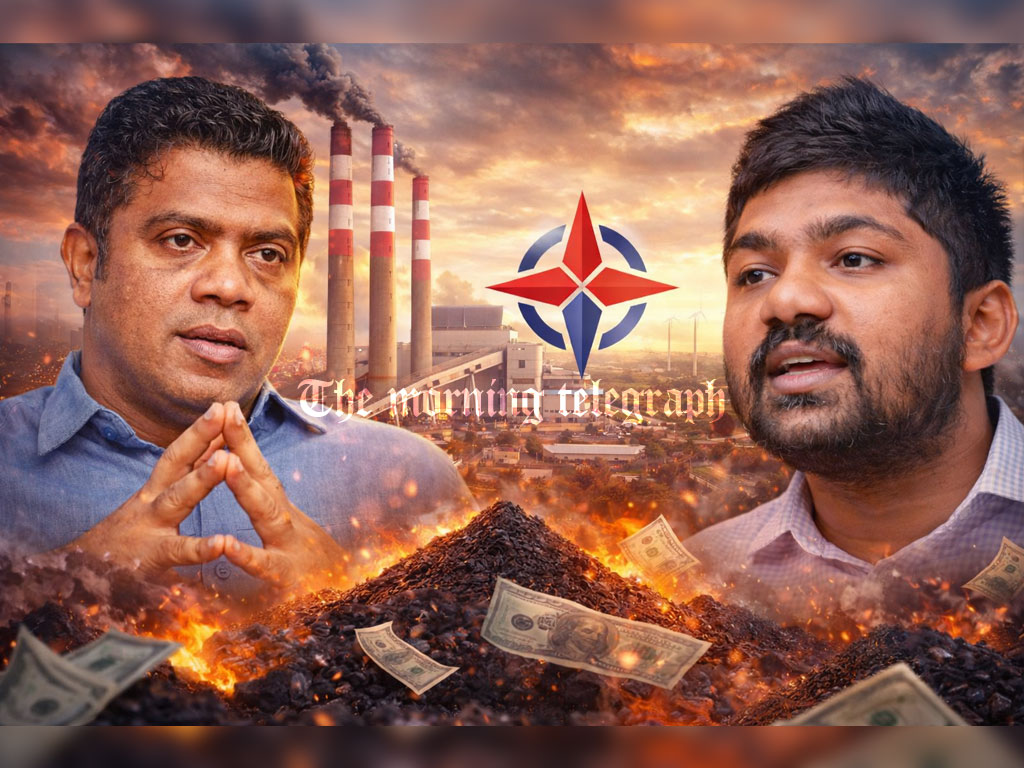
Television program Rathu Ira on Swarnavahini is among the few mainstream platforms that attempted to examine the controversy in depth. Hosted by Claude Gurubewila, the program reportedly discussed the issue for several consecutive weeks. Observers note that Gurubewila approached the topic with preparation and restraint, maintaining journalistic balance.
Patali Champika, appearing on the program, explained how the alleged coal scam unfolded. Earlier, D.V. Chanaka challenged the government on the same platform. The following week, Minister Wasantha Samarasinghe attempted to counter the allegations but faced tough questioning.
Critics outline several key points in the controversy.
First, the eligibility criteria for coal suppliers were revised. Previously, a supplier needed to demonstrate experience in supplying one million tonnes of coal. This requirement was reduced to one lakh tonnes. Opponents question why such a drastic reduction was made, suggesting it favored a supplier with limited track record.
Second, the tender timeline was shortened. International standards typically allow 42 days for such bids. However, this tender reportedly closed in 21 days, citing urgency and fears of coal shortages. Yet after closing the tender quickly, authorities allegedly delayed awarding the contract by two months. Critics argue that this contradiction suggests the selected supplier did not have ready coal stocks and required time to secure supply.
Third, quality standards became central to the dispute. Sri Lanka’s tender criteria specify that coal must contain between 6050 and 6200 kilocalories per kilogram. The supplier reportedly submitted a laboratory report from Malaysia indicating 6100 kilocalories. However, testing at the Norochcholai Power Plant found the coal measured 5504 kilocalories, classifying it as inferior.
Instead of accepting the power plant’s findings, the Energy Minister reportedly told Parliament he would reject the report. Critics argue that this move shifted blame from the supplier to a government institution.
An international testing institute later measured the coal at approximately 5600 kilocalories, still below required standards. This difference, critics say, represents a substantial energy loss per kilogram burned.
Further controversy arose when a second shipment arrived. Allegations claim that authorities prevented the power plant from independently testing that cargo and instead relied on the supplier’s report. Tender conditions reportedly state that if two consecutive shipments fail quality standards, the supplier’s contract can be cancelled. Critics question whether avoiding a second failure protected the contract.
The supplier continues to deliver coal. The long term financial loss remains uncertain.
Those who follow the debate are encouraged to revisit the Rathu Ira discussions. For critics, this controversy symbolizes deeper concerns about governance, transparency, energy security, and public accountability in Sri Lanka.