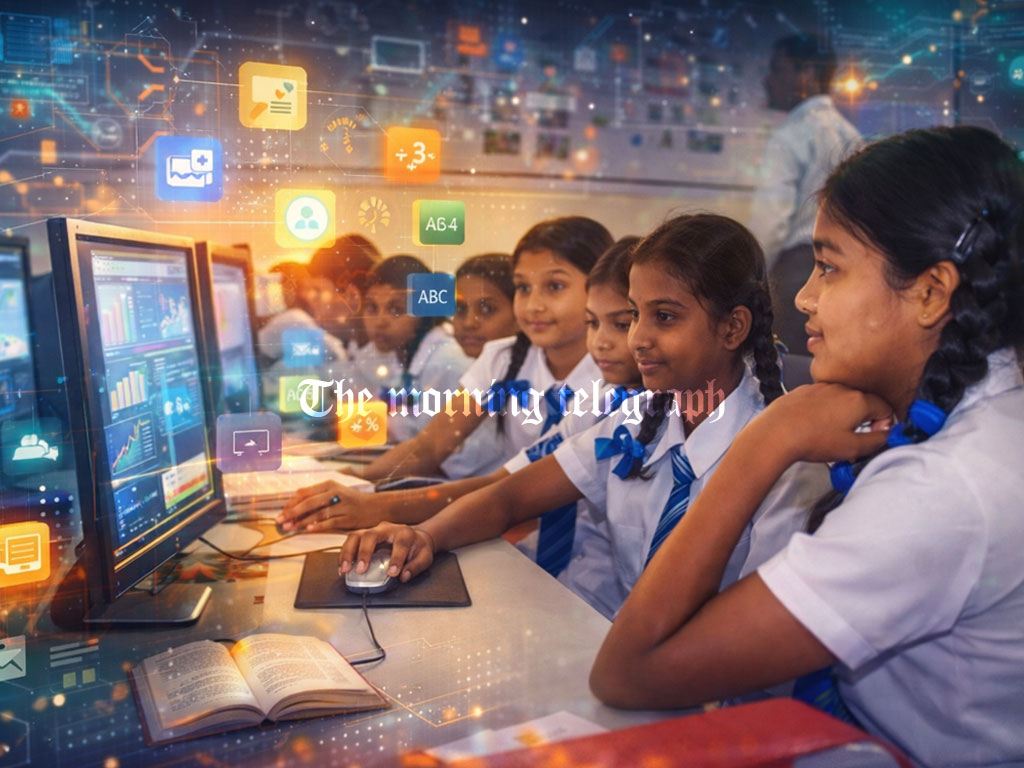
A practical and balanced guide to using phones and educational apps wisely, helping students unlock digital learning without sacrificing focus, emotional well-being, or real human connection.
Digital tools have transformed the way students learn, communicate, and access knowledge. In the 21st century, cellphones, educational apps, and online learning platforms are no longer optional extras but central pillars of modern education. From recorded lectures and interactive tutorials to virtual classrooms and global collaboration forums, technology has expanded learning far beyond the walls of traditional classrooms. Yet alongside these powerful advantages come serious challenges that require thoughtful guidance, structured integration, and a clear focus on student well-being.

Digital Tools in Modern Education: Around the world, countries such as the United States and Finland have systematically integrated educational technology into their systems. Students can watch recorded lessons, submit assignments online, receive instant feedback, and participate in collaborative digital projects. This creates personalized learning experiences that were unimaginable just a generation ago. Learning management systems, cloud-based classrooms, and adaptive software are reshaping how teachers deliver content and how students engage with it.
However, constant connectivity can lead to distractions, information overload, and device dependency. Smartphones bring not only study tools but also social media notifications, entertainment apps, and gaming platforms. Schools must therefore balance digital learning with traditional teaching methods to protect students’ social development and emotional health. Proper teacher training, digital literacy programs, and clear classroom policies are essential to maximize academic outcomes while preventing misuse.
Expanding Access and Bridging Gaps: One of the most powerful benefits of digital education is increased access to high-quality learning resources. In countries like Canada and Singapore, students use online platforms to access simulations, advanced tutorials, and interactive lessons that were once restricted to elite institutions. Rural students and those from low-income backgrounds can now connect to global knowledge networks, improving their understanding of mathematics, science, and foreign languages.
Yet the digital divide remains a pressing issue. Not every student has reliable internet access, updated devices, or a supportive home environment. Without careful policy intervention such as subsidized internet and government-provided devices, technology can widen educational inequality. Policymakers must ensure equitable access while also protecting vulnerable learners from being further disadvantaged by overreliance on technology.
Personalized Learning and Its Limits: Digital platforms enable personalized education tailored to individual needs. In Australia, adaptive math programs track performance in real time and adjust difficulty levels automatically. This keeps advanced learners challenged while supporting those who need extra guidance. Personalized learning reduces frustration and boosts academic confidence.
However, excessive focus on individual digital tasks can reduce collaborative learning and peer interaction. Students may spend long hours working alone on screens, missing opportunities to develop communication and teamwork skills. Educators in Finland address this by combining digital exercises with group discussions and project-based learning. The result is a blended approach that nurtures both academic knowledge and social growth.
Engagement Through Interactivity: Interactive digital tools have significantly increased student engagement. In Japan, gamified language apps motivate learners through points, levels, and challenges. In the United States, classroom platforms transform revision sessions into interactive competitions, boosting participation and retention. These strategies improve motivation and make learning more dynamic.
Yet gamification carries risks. When rewards overshadow understanding, students may chase points rather than master concepts. Teachers must design digital activities that reinforce learning objectives rather than distract from them. Engagement should serve comprehension, not replace it.
Blending Digital with Traditional Teaching: Countries such as Germany and the Netherlands have adopted blended learning models that combine in-person instruction with online materials. Students watch instructional videos at home and apply knowledge during classroom discussions and laboratory sessions. This approach increases instructional efficiency and encourages higher-order thinking.
Challenges arise when students lack time-management skills or self-discipline. Skipped online lessons can lead to knowledge gaps. To counter this, educators monitor participation, assign graded digital tasks, and maintain structured classroom discussions. When properly implemented, blended learning strengthens independence and academic achievement.
Collaboration in the Digital Age: Platforms like Google Classroom and Microsoft Teams facilitate collaboration across distances. Students co-create documents, exchange peer feedback, and conduct virtual meetings, reflecting modern workplace dynamics. Introverted students often find digital discussions less intimidating, increasing participation.
However, overreliance on digital communication may weaken in-person interaction skills. Research indicates that students who depend heavily on online collaboration sometimes struggle with conflict resolution and interpreting nonverbal cues. Balanced integration of face-to-face teamwork remains essential.
Digital Literacy and Responsible Use: Digital literacy is now a critical workforce skill. In South Korea, students learn to evaluate online information critically, protect personal data, and navigate cybersecurity risks. These competencies prepare them for lifelong learning and responsible digital citizenship.
Without guidance, however, students can become vulnerable to misinformation, cyberbullying, and unhealthy screen habits. Schools must embed digital literacy education into curricula, emphasizing ethical responsibility and critical thinking alongside technical skills.
Managing Distraction and Screen Time: Distraction remains one of the most significant concerns. Studies from Sweden and the United States show that unrestricted device access correlates with lower academic performance and higher stress levels. Excessive screen time can also disrupt sleep, reduce physical activity, and contribute to eye strain.
To mitigate these risks, schools introduce structured policies such as scheduled device breaks and tech-free zones. Encouraging mindfulness and self-regulation helps students develop healthy technology habits that support both academic success and overall well-being.
Emotional Well-Being in a Digital Environment: Technology influences emotional health as much as academic performance. Research in Norway and Denmark links excessive social media use to increased anxiety and depression among students. On the other hand, well-designed educational platforms can promote self-confidence and belonging.
Teachers and parents must guide students toward balanced usage. Offline activities such as sports, face-to-face interactions, and mindfulness practices strengthen emotional resilience and reduce stress.
Equity and Inclusion Through Technology: Educational technology can enhance inclusivity. Text-to-speech functions, adjustable interfaces, and customizable settings support students with disabilities. Digital tools enable differentiated instruction, allowing learners to progress at their own pace.
Yet technology cannot replace human connection. Teachers remain essential for mentorship, encouragement, and emotional support. When used thoughtfully, digital tools expand participation and confidence without diminishing personal relationships.
Guidelines for Effective Use: Structured integration is key. Students should understand the purpose of each app and platform, with clear goals and scheduled online and offline learning periods. Digital literacy, time management, and emotional awareness must be taught alongside academic content.
Parents and teachers should maintain open communication to promote healthy device use at home and in school. When students recognize technology as a learning tool rather than a distraction, they develop habits that foster academic excellence and personal growth.
Enhancing the Human Connection: The ultimate goal of educational technology is not to replace teachers but to enhance human connection. Thoughtful implementation empowers students to become active creators of knowledge rather than passive consumers. Schools that balance innovation with traditional pedagogy cultivate learners who are digitally fluent and socially grounded.
Ultimately, digital tools represent a transformative shift in education. They bridge traditional instruction with global resources, offering unprecedented access to knowledge. Success depends on balance. Leveraging connectivity without surrendering to distraction requires comprehensive training and consistent focus on emotional well-being.
When structured guidance, equitable access, and digital literacy align, technology becomes a powerful catalyst for growth. It strengthens collaboration, independence, and engagement while preserving human connection and critical thinking. The future of education is not about screens replacing teachers. It is about screens supporting teachers, empowering students, and preparing young minds for a world that demands both digital fluency and human resilience.