As Washington tightens trade conditions and links tariff relief to Iran ties, Sri Lanka faces a defining foreign policy test that could reshape its economic future and geopolitical alignment.
Sri Lanka now finds itself at a delicate crossroads in global trade diplomacy. After former US President Donald Trump signed revised tariff agreements with India and Bangladesh, reducing their tariff rates to 18 percent and 19 percent respectively, Sri Lanka’s higher tariff exposure has drawn attention. The shift in US trade policy has placed Colombo in a challenging position, particularly as regional competitors secure preferential terms.

When US State Department trade representatives met President Anura Kumara Dissanayake, they reportedly stressed the urgency of concluding a tariff agreement. Despite repeated signals from Washington, Sri Lanka showed little enthusiasm for fast-tracking such a deal. The consequence is clear: India and Bangladesh moved ahead, strengthening their export competitiveness in the American market while Sri Lanka lags behind.
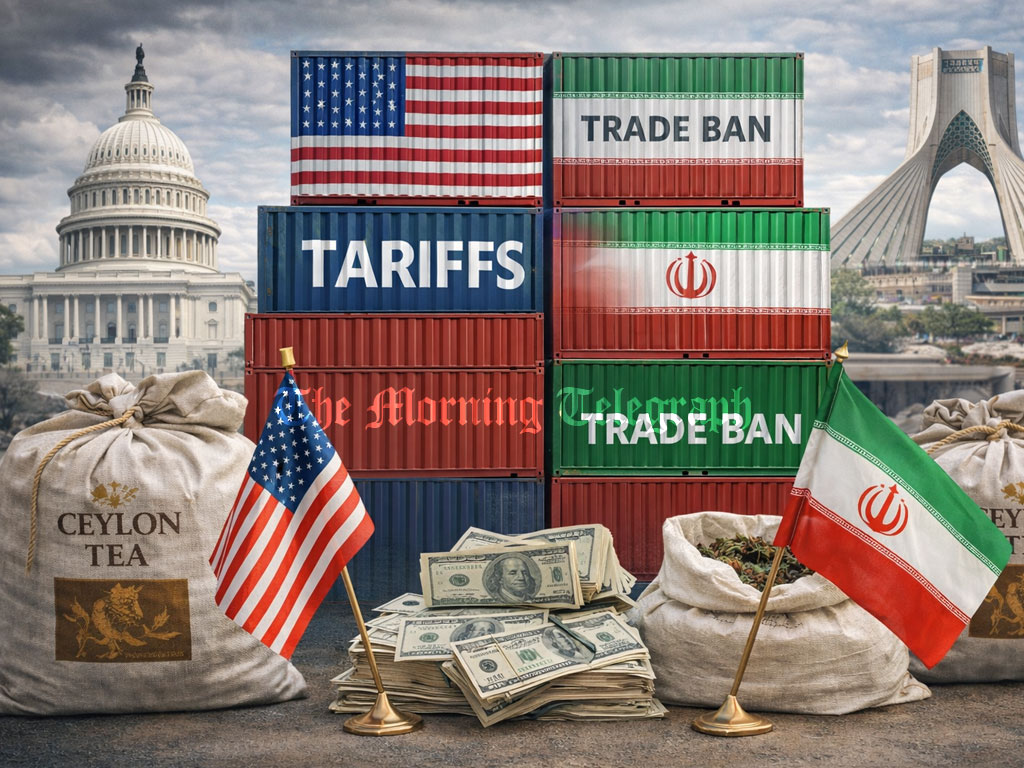
Foreign Ministry sources indicate that a new condition now shadows any potential US trade agreement. Washington has signaled that Sri Lanka must halt trade dealings with Iran. Trump has warned of higher tariffs on countries engaging in commerce with Tehran. Sri Lanka currently owes Iran approximately US$250 million for past oil imports. Following the 2022 economic crisis and sovereign default, Colombo lacked the liquidity to repay the debt in cash. Instead, a tea-for-oil settlement mechanism was agreed upon, allowing Sri Lanka to export Ceylon tea to Iran to offset the liability.
This economic arrangement carries political weight. In 2013, the United States formally opposed Sri Lanka’s oil imports from sanctioned Iran. Today, Sri Lanka is again under scrutiny for maintaining trade links with Tehran. Iran’s assistance during Sri Lanka’s bankruptcy period, including tea purchases to settle debt, complicates the picture.
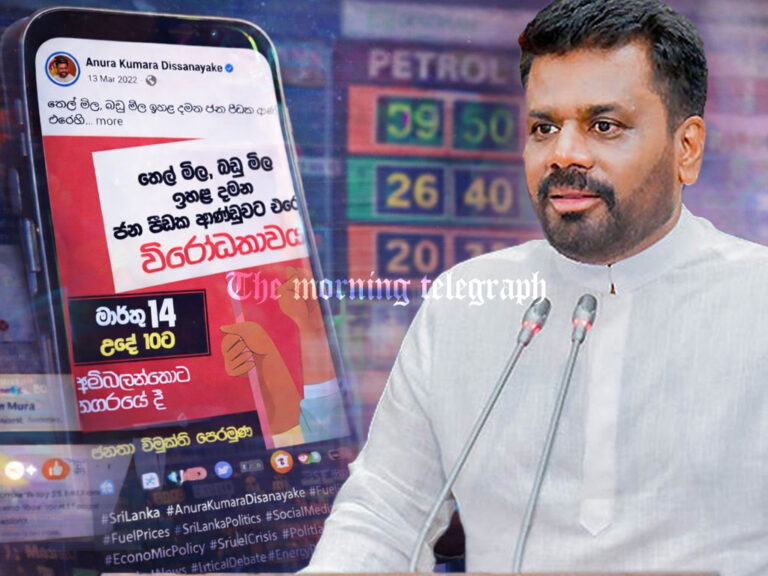
Ideological ties further deepen the dilemma. The JVP historically engaged with themes surrounding the Iranian Revolution and has publicly criticized US actions against Iran, including the 2020 assassination of a senior Iranian military commander. Expressions of solidarity in subsequent regional tensions reinforce that perception.
With Sri Lanka’s foreign policy, tariff negotiations, and economic recovery at stake, the government must weigh strategic autonomy against trade pragmatism. Whether Colombo can defend its tea-for-oil agreement without jeopardizing access to the US market remains the central question.