Sri Lanka’s garment giant begins a sweeping workforce cut and operational shift toward India, triggering fears of mass unemployment, worker rights violations, and a deepening industrial crisis.
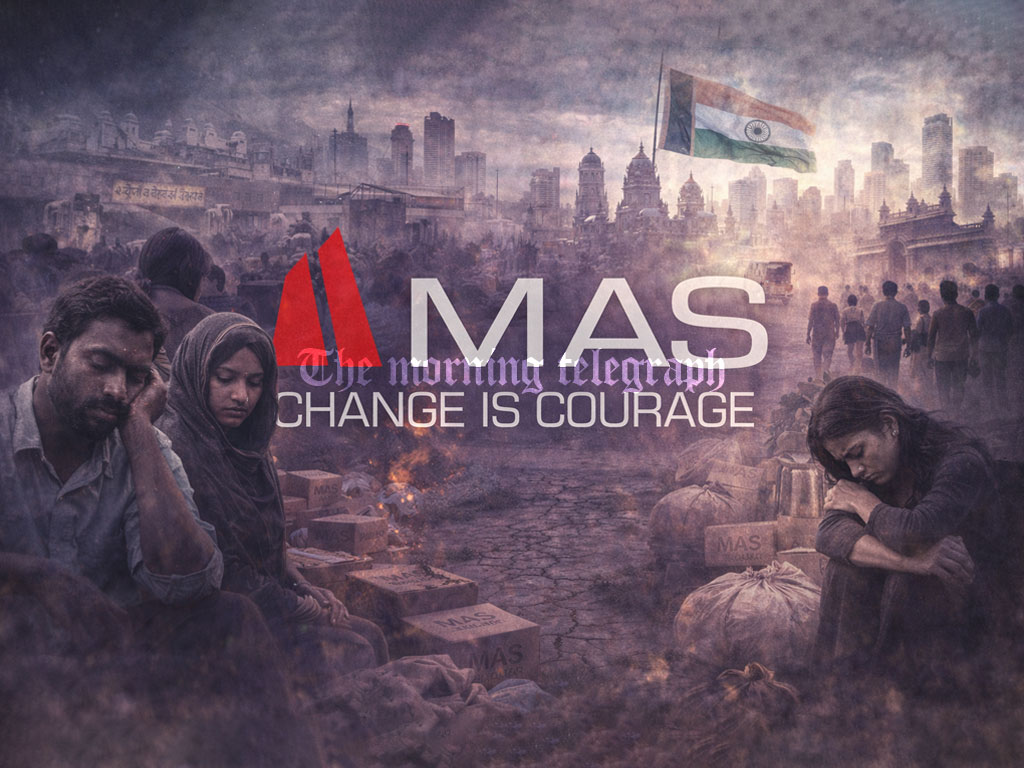
MAS Group, long regarded as a pillar of Sri Lanka’s apparel industry, is undergoing one of the most significant corporate restructurings in its history. The company, which currently employs around 96,000 people, is set to reduce its workforce to nearly 70,000 through a phased downsizing strategy. That decision alone translates into approximately 26,000 Sri Lankan workers losing employment, sending shockwaves through the country’s garment sector and export economy.

The restructuring has already begun. Manufacturing operations are being consolidated, and certain units have shut their doors. The MAS Kreeda Methliya facility at the Tulhiriya MAS Fabric Park has been closed. Future plans indicate that MAS KREEDA Vaanavil and MAS Active factories located in the free trade zones will cease operations. At the same time, the workforce at MAS Bodyline plants in Horana and Ratnapura is expected to be reduced. For communities built around these factories, the economic impact could be severe.
Management has offered affected employees three months of salary as compensation or the possibility of transfers to other branches. However, many workers argue that relocation is unrealistic. A person employed in Tulhiriya cannot easily shift to Ratnapura without disrupting family life, schooling, and living arrangements. For thousands of families dependent on garment industry wages, such proposals feel detached from reality.
MAS manufactures for global brands including Nike, Adidas, Victoria’s Secret, and Lululemon. Critics now question whether companies that promote ethical sourcing and corporate social responsibility are doing enough to protect worker rights in Sri Lanka. Allegations that trade union activity is restricted within the organization have further intensified concerns, as employees claim they lack collective bargaining power during this transition.
For years, these companies benefited from Board of Investment tax concessions and state-backed incentives. Now, expansion plans toward India suggest a strategic shift driven by lower labor costs, reduced electricity tariffs, and broader geo-economic calculations. As factories migrate and jobs disappear, Sri Lanka faces a painful reality. The apparel industry remains vital to national exports, but its stability is no longer guaranteed.