From cancelled lectures to diaspora backlash, the Oxford Union controversy exposes deeper questions about international legitimacy, political accountability and Sri Lanka’s reputation abroad.
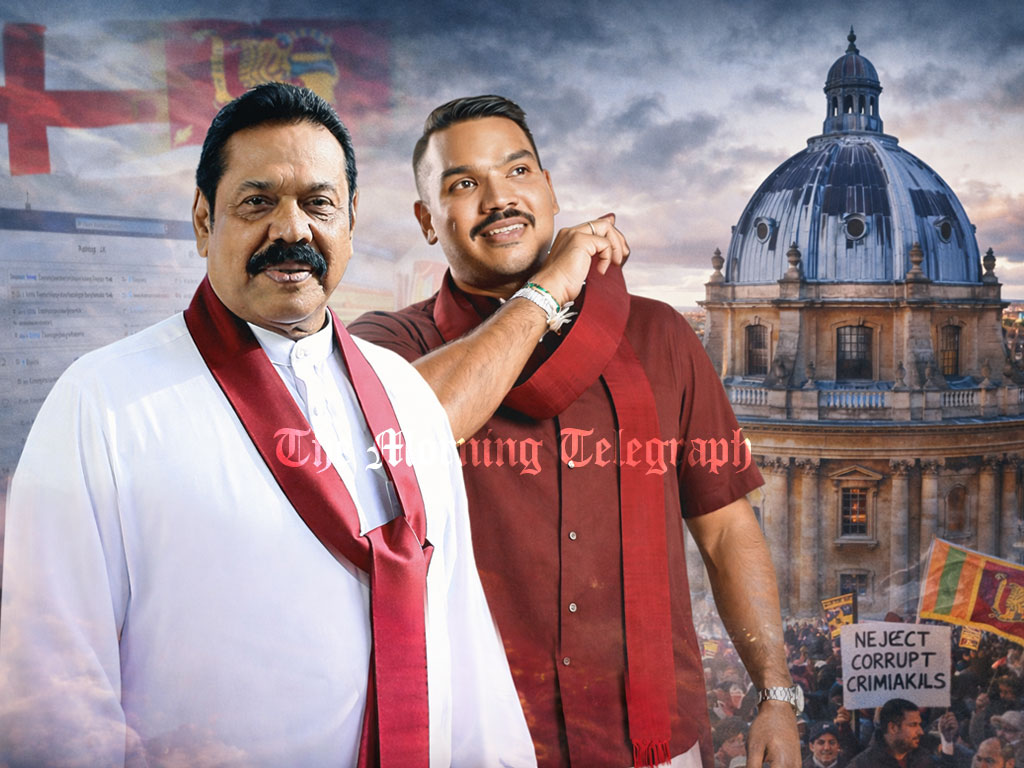
Debate erupted across social media after news broke that Namal Rajapaksa’s scheduled address at the Oxford Union was cancelled during his recent visit to Britain. While some political groups attempted to frame the decision as a coordinated smear campaign, fresh revelations from a Sri Lankan doctor based in England challenge that narrative and present a different perspective on the controversy.

This is not the first time the Rajapaksa family has faced rejection from the historic Oxford stage. In 2010, former President Mahinda Rajapaksa also lost an opportunity to speak at the Oxford Union. Sixteen years later, his son encountered the same outcome. Observers describe it as a rare episode in which both father and son were denied a global academic platform known for hosting world leaders, controversial figures and even polarizing personalities.
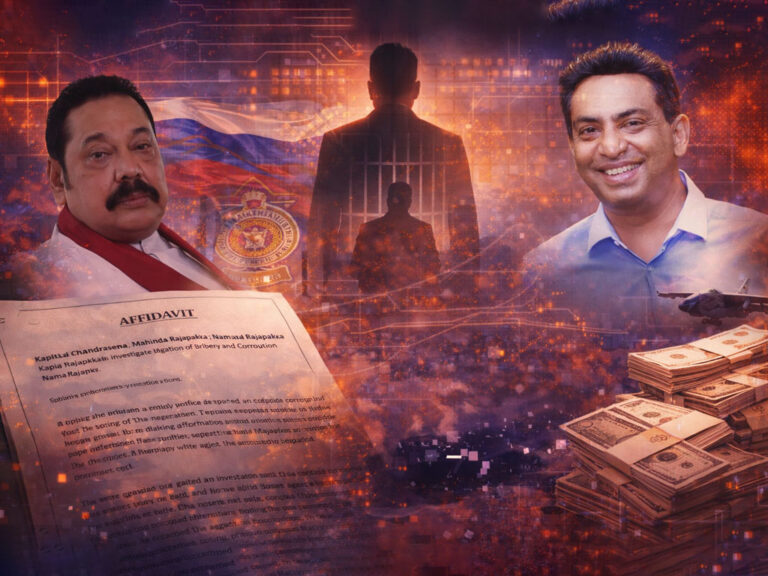
Supporters claim the cancellation resulted from protests by the Tamil diaspora. However, several Sri Lankans living in the United Kingdom argue that the resistance extended far beyond one community. According to reports, academics, doctors and professionals organized an email campaign urging Oxford administrators to reconsider offering such a prestigious forum to a representative of a political dynasty accused of corruption and economic mismanagement.
Many within the broader Sri Lankan diaspora community, both Sinhala and Tamil, reportedly opposed the visit. Universities including Cambridge were also said to have withdrawn planned engagements. Critics maintain that the issue was not rooted in ethnicity but in accountability and governance.
The doctor’s comments emphasize that branding every Tamil abroad as part of a militant diaspora is misleading and politically convenient. He points to the reception given to Anura Kumara Dissanayake in Britain, where support crossed ethnic lines and centered on demands for transparency and reform. The Oxford cancellation, therefore, reflects a broader rejection of a political system rather than a racial dispute.