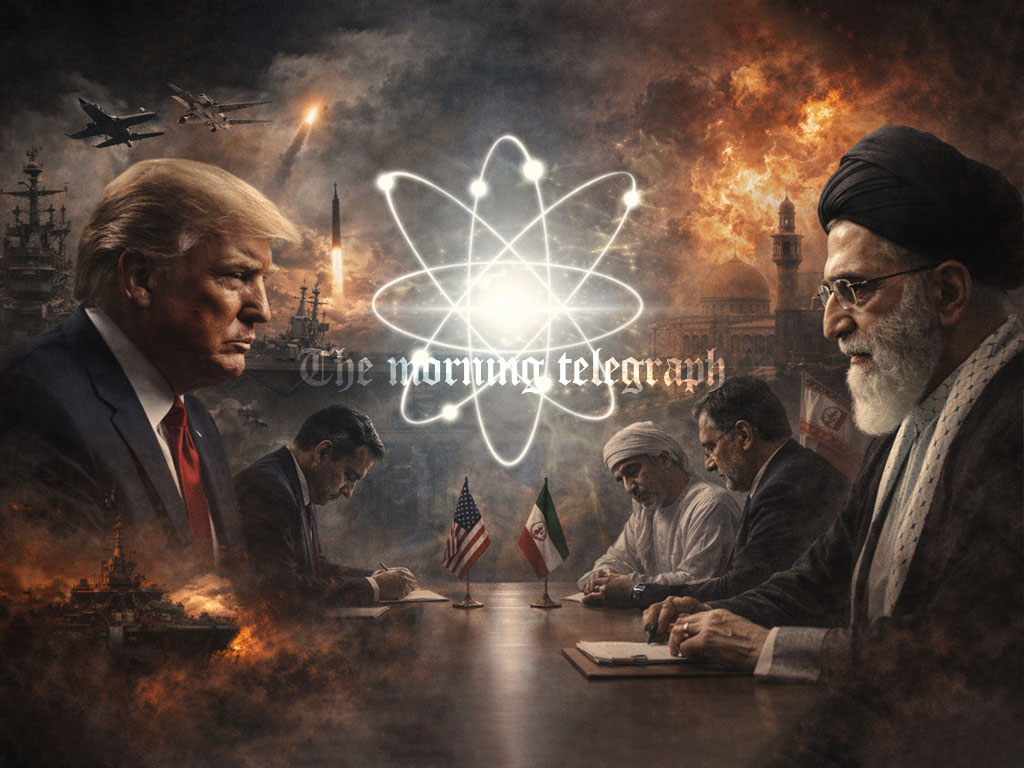
Talks between the United States and Iran in Geneva have ended with what Oman’s foreign minister described as significant progress, though uncertainty remains over whether a final agreement can prevent military conflict. Badr Albusaidi, who mediated the discussions, said both sides showed openness to new and creative proposals and plan to resume negotiations soon after consulting their governments. Technical discussions are expected to continue in Vienna next week. The meetings come amid rising tensions, with President Donald Trump warning of possible military strikes if no agreement is reached, while Iran has pledged to respond forcefully to any attack.

The negotiations focused on Iran’s nuclear programme, which has long been disputed by Washington and its allies. Iran maintains that its nuclear activities are for peaceful purposes and insists it has the right to enrich uranium. However, it has rejected demands to completely halt enrichment or transfer its stockpile abroad. In exchange for potential concessions, Tehran is seeking relief from economic sanctions that have severely impacted its economy. Trump has not clearly outlined what terms he would accept, and Iran has ruled out discussions on limiting its ballistic missile programme or ending support for regional allies such as Hamas, Hezbollah and the Houthis.
Military pressure has increased alongside diplomacy, with the United States deploying thousands of troops, aircraft carriers and fighter jets to the region. Reports suggest possible strikes on Iranian targets remain under consideration if talks fail. Regional allies fear a broader conflict, while Israel has urged that any agreement address Iran’s missiles and regional influence. Despite public statements from Iranian officials declaring they will never develop nuclear weapons, mistrust remains high. For now, negotiations continue, with both sides weighing whether compromise can prevent another escalation in an already volatile region.