A sweeping amendment to Sri Lanka’s Microfinance Act aims to create a powerful new regulatory authority to control illegal lending, digital loan apps, and abusive microfinance practices that have devastated vulnerable rural communities.
Sri Lanka is preparing to overhaul the country’s microfinance regulatory framework through a major amendment to the Microfinance Act No. 06 of 2016. The proposed legislation, recently presented to parliament, seeks to establish an independent supervisory body that will oversee the rapidly expanding microfinance and money lending sector.

Deputy Minister of Finance and Planning Anil Jayantha explained that previous attempts to regulate the industry under the existing law had failed to fully control lending practices across the island. The earlier legal framework only allowed a small number of companies to operate under supervision of the Central Bank.
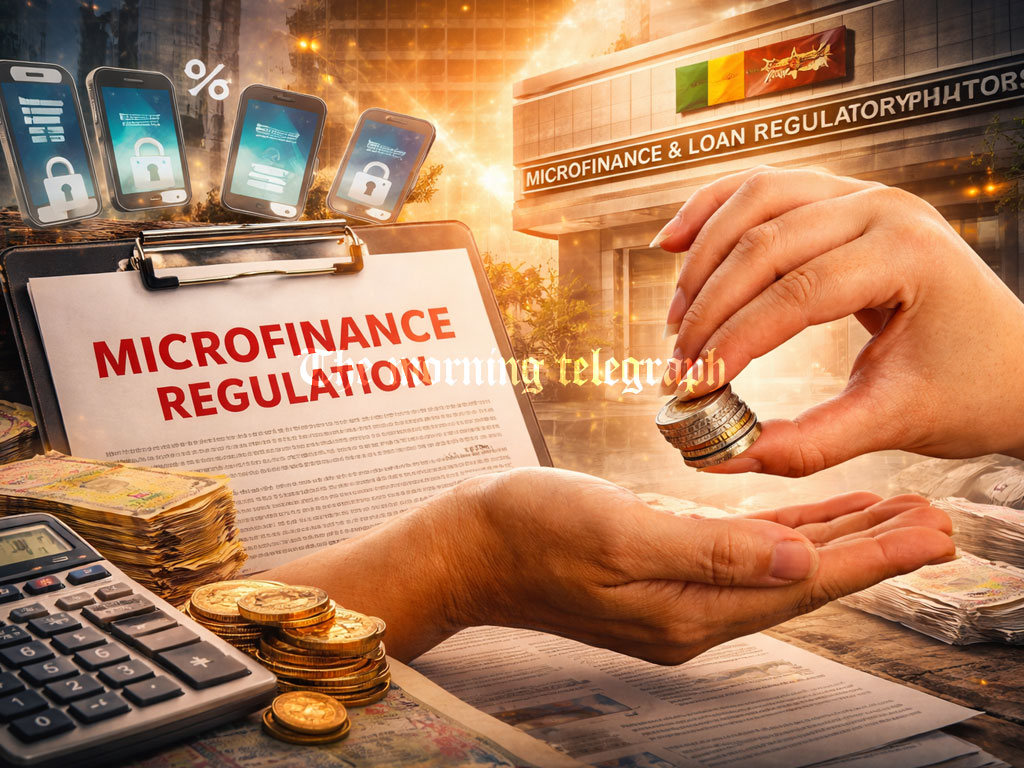
The new bill proposes the creation of the Microfinance and Loan Regulatory Authority, a dedicated institution designed to expand oversight across a broader network of lenders. Authorities say the reform is necessary because hundreds of digital lending platforms and mobile loan applications now operate without proper registration or supervision.
Officials estimate that despite the growth of microfinance activities, only four companies have formally registered with the Central Bank under the current system. Many other operators continue to provide loans through online platforms and mobile applications without regulatory approval.
The amendment introduces tougher penalties for illegal lending and violations of the law. Individuals or institutions found guilty could face fines of up to five million rupees and prison sentences of up to five years.
The planned authority will be managed by a seven member board including government appointed representatives. A dedicated operational fund is also expected to strengthen its independence and financial stability.
If the legislation passes, regulators will gain stronger powers to investigate abusive debt recovery practices and enforce transparent interest rate standards.