A controversial emergency coal tender decision in Sri Lanka sparks fierce debate as critics question why a previously accused supplier secured another contract while procurement rules and quality standards come under scrutiny.
An emergency procurement process launched to prevent a potential national power crisis in Sri Lanka has once again drawn controversy after the urgent coal supply tender was awarded to a company previously criticized for delays and quality issues. Political observers and civil society activists have raised serious concerns about the decision, arguing that the government may have overlooked past allegations involving the same supplier.

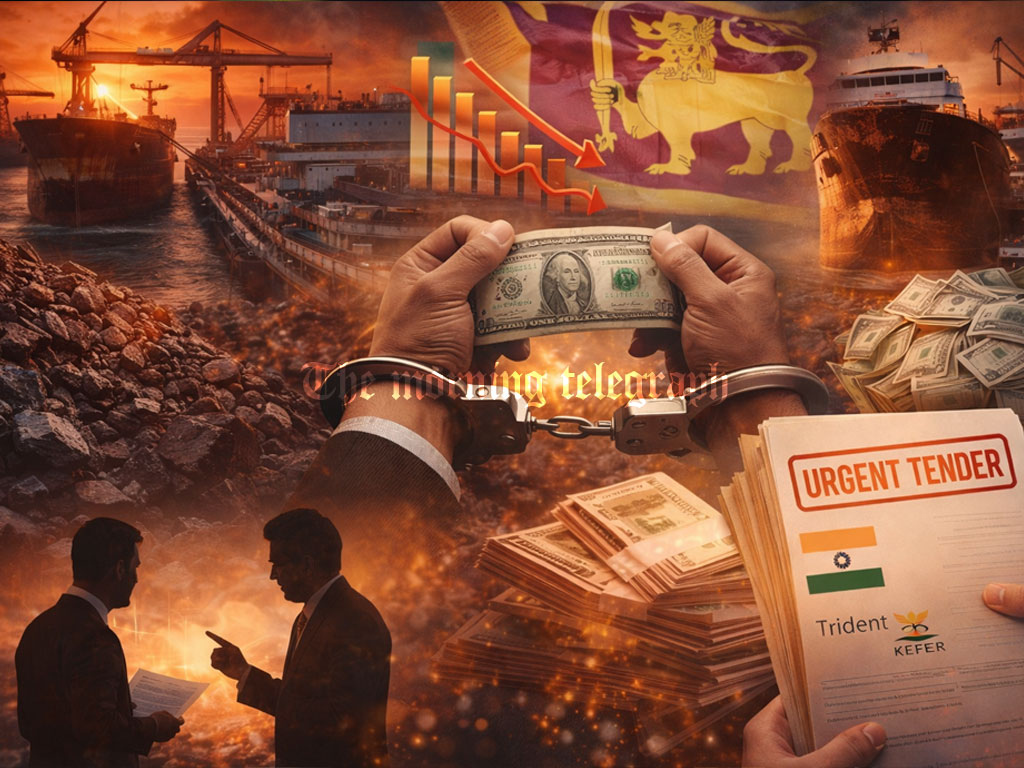
The urgent on site tender was called to import coal needed for electricity generation after delays in shipments threatened the stability of the country’s energy supply. Authorities announced the emergency procurement on the 11th, requesting five coal shipments to ensure that power plants would continue operating without interruption. Four companies reportedly submitted price quotations in response to the tender.
Among those bidders was an Indian based company known as Trident Kefer, which already supplies coal to Sri Lanka. According to officials involved in the procurement process, authorities eventually decided to award the emergency coal supply contract to this company after evaluating the bids that had been submitted.
However the decision has sparked strong criticism from political commentators and social activists who argue that awarding another contract to the same supplier raises ethical and governance concerns. Critics point out that the company had previously faced accusations of failing to deliver coal shipments within the agreed time period and of supplying coal that did not meet the required quality standards for power generation.
They also highlight that Sri Lanka had earlier implemented strict procurement rules regarding coal quality. Under those guidelines coal shipments could be rejected if the energy generation value of the coal dropped below 5900 kilocalories per kilogram or if the ash content exceeded 16 percent. These technical standards were designed to ensure that thermal power plants receive fuel capable of producing efficient electricity output while minimizing operational problems.
Critics now claim that in the latest emergency procurement process the relevant ministry and government authorities relaxed those standards by changing the rejection threshold for coal quality. According to these allegations the adjustment of procurement criteria may allow suppliers to deliver coal with lower energy value and higher ash content than previously permitted.
The accusations have fueled debate among energy sector observers who warn that relaxing quality controls could ultimately affect power generation efficiency and increase maintenance costs for coal fired power plants in Sri Lanka. Activists argue that transparency and strict procurement procedures are essential when dealing with strategic resources such as energy supplies.
When asked about the controversy the local representative of the Trident Kefer company defended the outcome of the tender process. He stated that the company had secured the contract simply because it submitted the lowest price among the competing bids, making it the most cost effective option available to authorities during the emergency procurement.
According to the representative two other companies had quoted prices of 142 dollars and 174 dollars per metric ton of coal respectively. By comparison Trident Kefer offered to supply coal at 121 dollars per metric ton, which placed the company in the leading position in the bidding process.
The representative further explained that after the company won the emergency tender discussions took place with the Lanka Coal Company regarding the supply arrangements. As a result of those negotiations the emergency tender itself was later cancelled and the coal shipments were instead agreed to be supplied under the same pricing terms as the previous procurement contract.
Under that arrangement the coal would be delivered at a rate of 98.50 dollars per metric ton rather than the 121 dollars initially quoted in the emergency tender. According to the company representative this reduction in price would generate significant financial savings for the Sri Lankan government.
He stated that based on the revised price structure the government could earn a financial benefit exceeding 13 million dollars from the delivery of just one coal shipment. Supporters of the deal argue that this outcome demonstrates the economic advantage gained through the negotiations.
Despite that explanation concerns about transparency and procurement governance remain. Energy sector analysts note that emergency tenders often create conditions where oversight becomes weaker and decisions are made under time pressure, increasing the importance of public accountability.
When Energy Minister Kumara Jayakody was questioned about the controversial procurement decision he said that the Ministry of Energy was not directly involved in the tender evaluation process. According to the minister the responsibility for the coal procurement lies with the Lanka Coal Company, which manages the operational supply arrangements for thermal power plants.
Attempts were made to obtain clarification from the Lanka Coal Company regarding the allegations surrounding the tender. However the General Manager of the company Hewage Namal could not be reached for comment when contacted on his mobile phone.
The situation has therefore left several unanswered questions regarding the procurement decision, the modification of coal quality standards and the broader issue of transparency in emergency energy contracts in Sri Lanka.