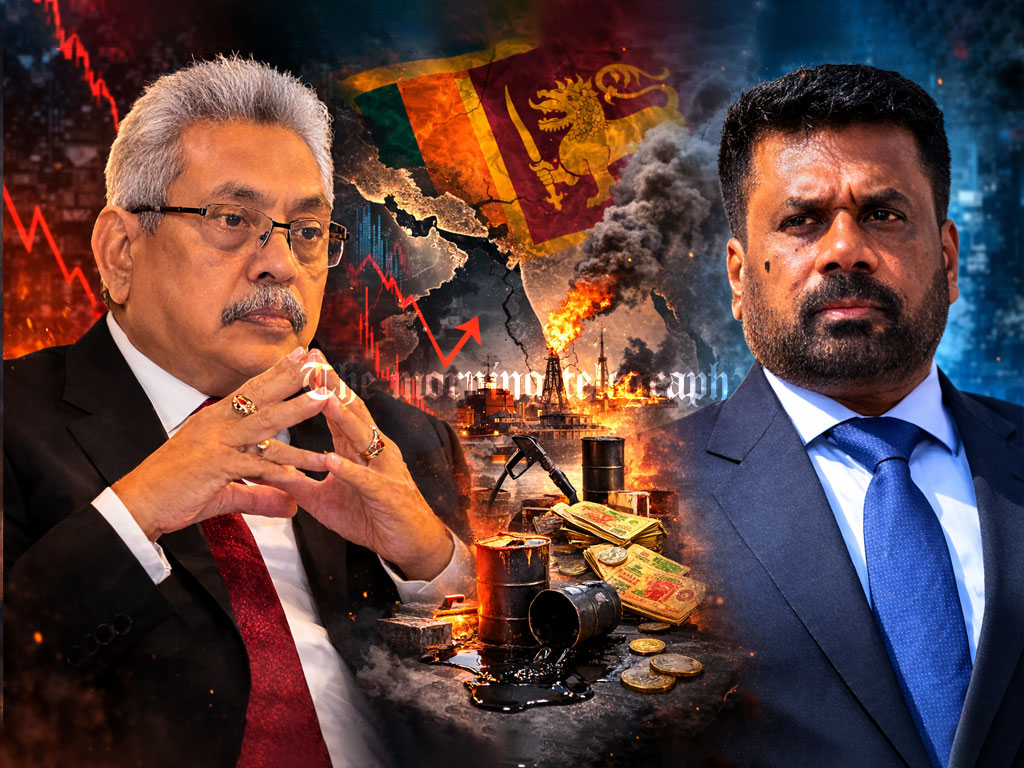
A global conflict in the Middle East could once again test Sri Lanka’s fragile economy, raising fears that the same economic and political storm that ended Gotabaya Rajapaksa’s presidency might now challenge Anura Kumara Dissanayake’s leadership.
Gotabaya Rajapaksa became president after Donald Trump had already assumed office as the President of the United States.
Donald Trump returned to the presidency for a second term after Anura Kumara Dissanayake had already become president in Sri Lanka.

Donald Trump is often described as an unfortunate leader in terms of timing. His first term in office was overshadowed by the global coronavirus pandemic that began in 2020. The pandemic limited his ability to demonstrate long term policy achievements. During that period, the United States experienced a severe economic slowdown. In 2021 Trump lost the election in a way that surprised many observers because the country was exhausted by the pandemic and a large number of Americans viewed his leadership during the crisis as unsuccessful.
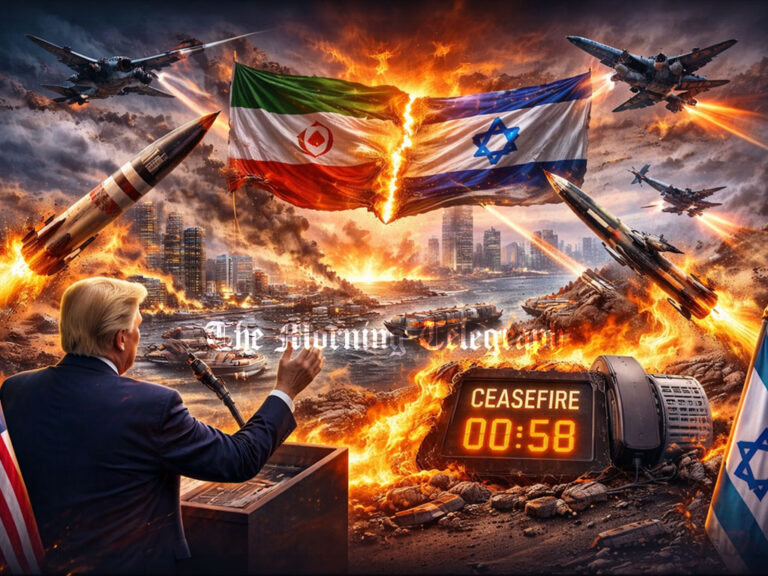
Now in Trump’s second term in office, analysts say he is pushing not only the United States but also the global economy toward instability through escalating tensions and war with Iran. Just as world leaders once worried about the economic consequences of the Covid pandemic, they are now increasingly concerned about the economic impact of a prolonged Iran war. The reason is clear. If the Iran conflict expands, the economies of many countries could face serious shocks. Leaders in several nations fear that such economic pressure could cost them their next elections. It is also possible that Trump himself now feels that same political pressure despite the confidence he previously projected.
Gotabaya Rajapaksa, who became president with the highest vote share in Sri Lanka’s history at 69 percent, was eventually forced to flee both the presidency and the country during the economic collapse triggered by the pandemic. Because of Covid, Sri Lanka lost millions of foreign tourists. Foreign workers sent fewer dollars back home. Export earnings declined sharply. As a result the country lost the foreign reserves needed to pay its external debts. There were no dollars available to import essential fuel and gas. Ultimately the government had to declare Sri Lanka bankrupt. The SLPP party that once secured 69 percent of the vote was reduced to less than 3 percent support.
Gotabaya Rajapaksa became president in 2019 riding a massive wave of political support. The two traditional political forces in Sri Lanka, the UNP and the SLFP, were swept aside by that political wave. Many people believed that the Rajapaksa family would dominate the country’s politics for at least another quarter century. Even though the public gave Gota an overwhelming 69 percent mandate, many voters did not fully realize that he lacked practical experience in governing a country.
If the coronavirus pandemic had never occurred, Gotabaya Rajapaksa might still be serving as president today. Under normal economic conditions governing the country might not have been extremely difficult for him. If Sri Lanka had continued earning foreign currency from tourism, migrant workers and exports, managing the economy might have remained stable. But the pandemic created extraordinary global disruptions. Gota had little experience managing a country during such complex circumstances. He was caught unprepared, and eventually the system collapsed before he could fully respond to the unfolding crisis.
Anura Kumara Dissanayake rose to power through circumstances that in some ways resemble the political path that brought Gotabaya Rajapaksa to power. Gota’s rise was driven by the political shock of the Easter Sunday attacks. Anura’s rise was shaped by the public uprising known as the people’s struggle. Gota weakened the traditional political parties such as the UNP and the SLFP. Anura rose to leadership after the collapse of the once powerful SLPP and the weakening of many politicians connected to that political force. Gota defeated parties that once seemed impossible to challenge. Anura weakened the Rajapaksa family that once appeared impossible to remove from power.
Gotabaya Rajapaksa governed Sri Lanka from late 2019 during the height of the coronavirus crisis until 2021, a period of about two years. In the early stage of the pandemic his government provided free vaccines and distributed Rs. 5,000 assistance payments to poor families. During that time the administration faced limited political opposition.
The first major challenge he faced was the emerging fuel crisis. Cabinet discussions repeatedly warned that fuel distribution would become impossible unless the government either increased fuel prices or introduced rationing. A proposal was presented to implement a fuel rationing system. At that time the oil minister was Udaya Gammanpila. He traveled across several countries attempting to purchase oil on credit. Even though the warning signs of an oil crisis were already visible, the government failed to make a clear decision. Fuel prices needed to increase or fuel had to be rationed. Out of political fear neither step was taken. Within days long queues began forming at fuel stations. Soon afterward gas shortages followed.
It has now been roughly one and a half years since Anura Kumara Dissanayake assumed the presidency. Like Gotabaya Rajapaksa, Anura also came to power without prior experience managing a national government, although the public paid little attention to that fact during the election period. Similar to Gota’s early presidency, Anura spent his first year attempting to stabilize Sri Lanka’s administrative and economic systems.
Now another unexpected challenge has emerged through the escalating Iran war. The conflict is beginning to affect global oil markets and energy security, meaning that Anura too may face an oil related crisis early in his presidency.
However the Sri Lankan economy today is not identical to the situation that existed when Gotabaya Rajapaksa took office in 2019. Gota left power in 2022 after declaring the country bankrupt. Since then international institutions including the IMF have repeatedly warned that Sri Lanka remains vulnerable to external economic shocks and global market disruptions.
If the Iran conflict continues for an extended period, Anura could face the same kind of crisis that brought down the previous administration. A prolonged Iran war would directly influence global oil and gas prices. Higher energy prices would increase the cost of essential goods and commodities. There is also a risk that Sri Lankan migrant workers in Middle Eastern countries could lose employment if regional instability deepens. Tourism could suffer another setback as well.
Will the same scenario that brought down Gotabaya Rajapaksa repeat itself again?
It remains difficult to predict. If the Iran war ends quickly, Sri Lanka may avoid major economic consequences in the immediate future. But if the global economic turbulence triggered by the Iran conflict continues, the second and third years of Anura’s presidency may become far more challenging than his first year in office.
Anura inherited a treasury that was strengthened through tax reforms introduced by Ranil Wickremesinghe and has set aside funds for upcoming elections. However even if the Iran war eventually ends, the financial reserves currently available may not be sufficient for a fragile economy like Sri Lanka’s to absorb the economic shocks that could arise from global conflict.
Even so it is unlikely that Anura Kumara Dissanayake would flee the country as Gotabaya Rajapaksa did, regardless of how severe a crisis might become. Unlike Gota, Anura has spent his entire career inside the political system. If necessary he could call for a snap election to manage political pressure. Otherwise he is likely to remain in office until the end of his presidential term.
For the opposition, the lesson is clear. Their task is not simply to travel to Colombo and hold press conferences claiming they are ready to govern. Instead their responsibility is to prepare the public and build the political strength required to win the next national election.
SOURCE :- SRI LANKA GUARDIAN