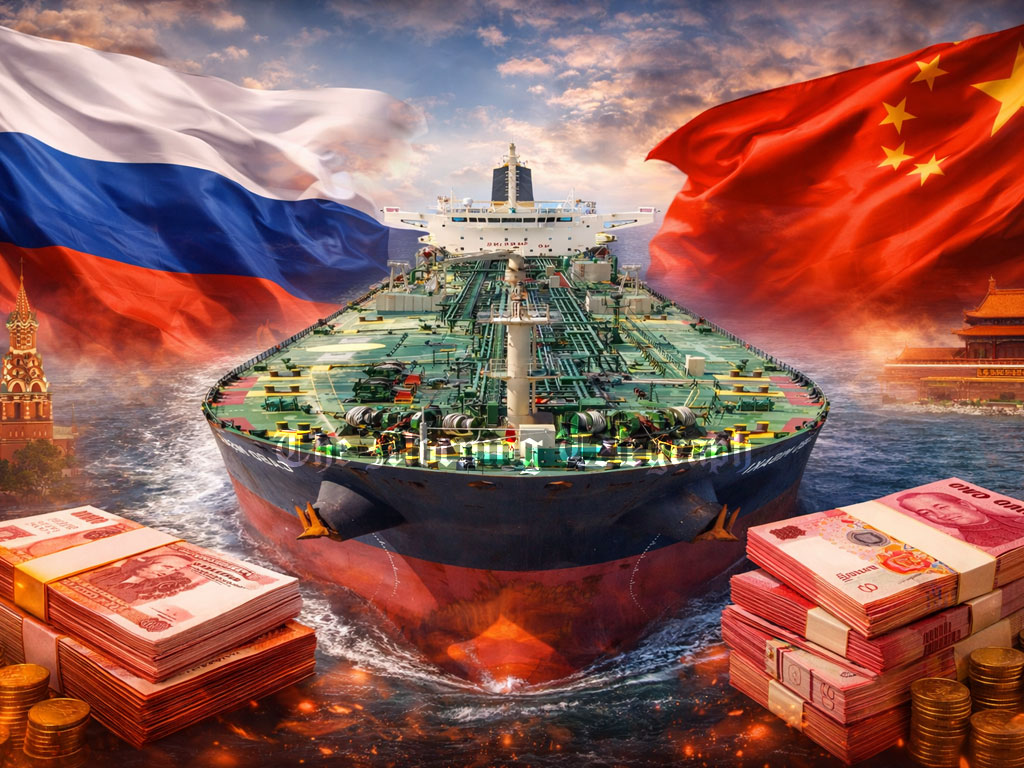
Sri Lanka faces a complex energy and financial dilemma as Russia insists that fuel purchases must be paid in rubles or Chinese yuan, highlighting shifting global currency dynamics and the deepening global energy crisis.
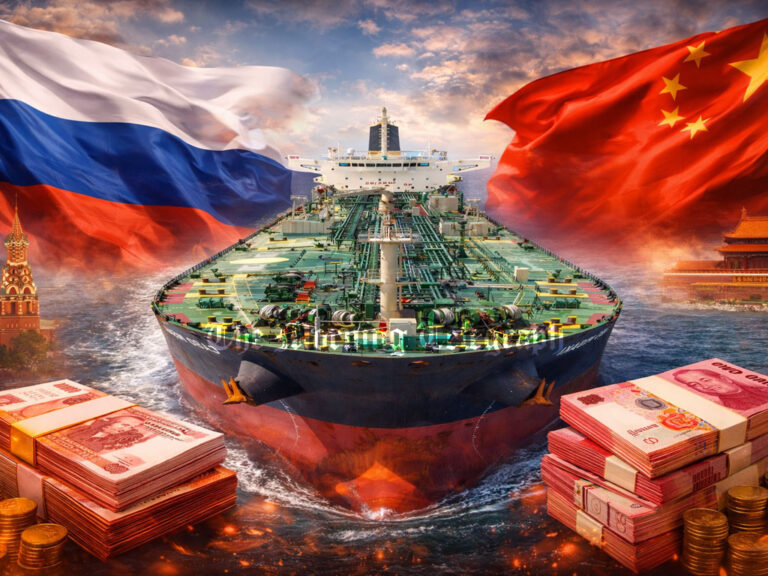
Sri Lanka has reportedly agreed to explore an alternative payment arrangement with Russia to secure urgently needed fuel supplies. According to government sources, the agreement involves settling payments for two fuel shipments from Russia using Russian rubles or Chinese yuan instead of the traditionally used US dollar.
The development comes at a time when Sri Lanka is navigating a challenging energy situation and seeking reliable fuel suppliers to stabilize domestic supply. Russian authorities have informed Sri Lanka that the two fuel cargoes can be supplied only under strict advance payment conditions.

The request was reportedly initiated following diplomatic engagement led by Sri Lanka’s Foreign Minister Vijitha Herath. After the request was made, Russian officials communicated that due to prevailing global financial conditions, the payments for the fuel shipments cannot be processed in US dollars.
The Russian Deputy Minister of Energy has further clarified that under the present circumstances, Russia is unable to accept dollar based transactions for the proposed fuel supply agreement. Instead, the payments must be made either in Russian rubles or Chinese yuan.
In response to the emerging situation, a high level discussion was held involving Foreign Minister Vijitha Herath, Deputy Minister of Finance and Planning Anil Jayantha, and Central Bank Governor Dr Nandalal Weerasinghe. The meeting took place with the Russian Ambassador to Sri Lanka in order to explore possible solutions to the developing energy and payment challenge.
During the discussion, the Russian Ambassador reportedly reminded Sri Lankan officials that Russia had previously proposed establishing a nuclear power project in Sri Lanka. According to him, the proposal had been made several years ago but was never implemented by Sri Lanka.
The Ambassador further stated that if Sri Lanka had accepted that nuclear energy proposal at the time, the country might not be facing the current severe energy crisis and fuel shortages affecting the economy today.
During the same discussion, the Russian Ambassador contacted the Russian Foreign Minister through a telephone conversation to seek guidance on the matter. The Foreign Minister then instructed the Ambassador to coordinate further discussions with the Russian Deputy Minister of Energy.
Following these instructions, Sri Lankan officials held a detailed discussion with the Russian Deputy Minister of Energy regarding the fuel supply arrangement. During this exchange, Central Bank Governor Dr Nandalal Weerasinghe reportedly agreed that Sri Lanka could proceed with obtaining the fuel shipments through cash based payments as required by Russia.
However, another challenge has emerged regarding the technical capacity of Sri Lanka’s banking system to handle transactions in rubles or yuan. Financial experts have pointed out that the country currently has limited infrastructure to support large scale direct settlements in these currencies.
As a result, authorities are now examining the technical and financial mechanisms required to facilitate such currency transactions. Discussions are ongoing to determine how the banking sector can adapt to accommodate these alternative payment methods if the agreement with Russia proceeds.
Reports indicate that at present the country’s banking system has only limited facilities for direct ruble and yuan transactions. This limitation could complicate the implementation of the proposed fuel payment arrangement unless appropriate financial channels are established.