Amid rising geopolitical scrutiny and a massive trade imbalance, China’s Ambassador to Sri Lanka rejects claims of Tamil hostility toward Beijing while urging a new economic partnership through a long delayed Free Trade Agreement.
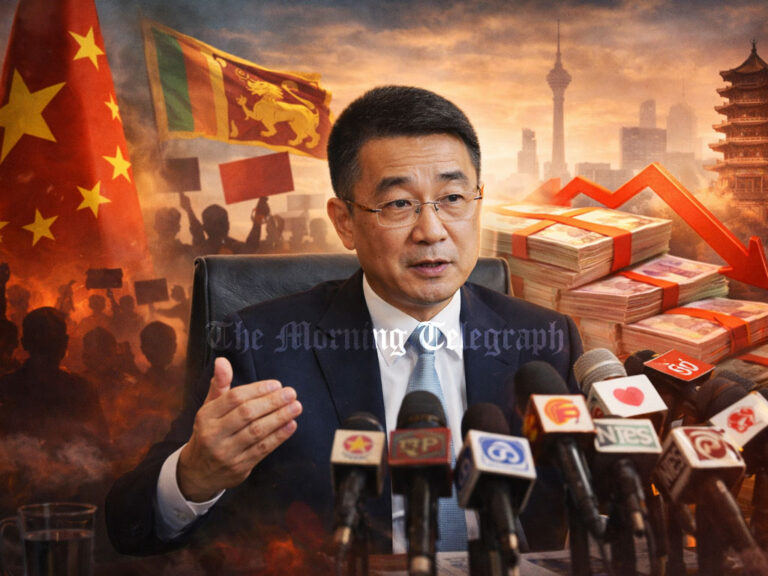
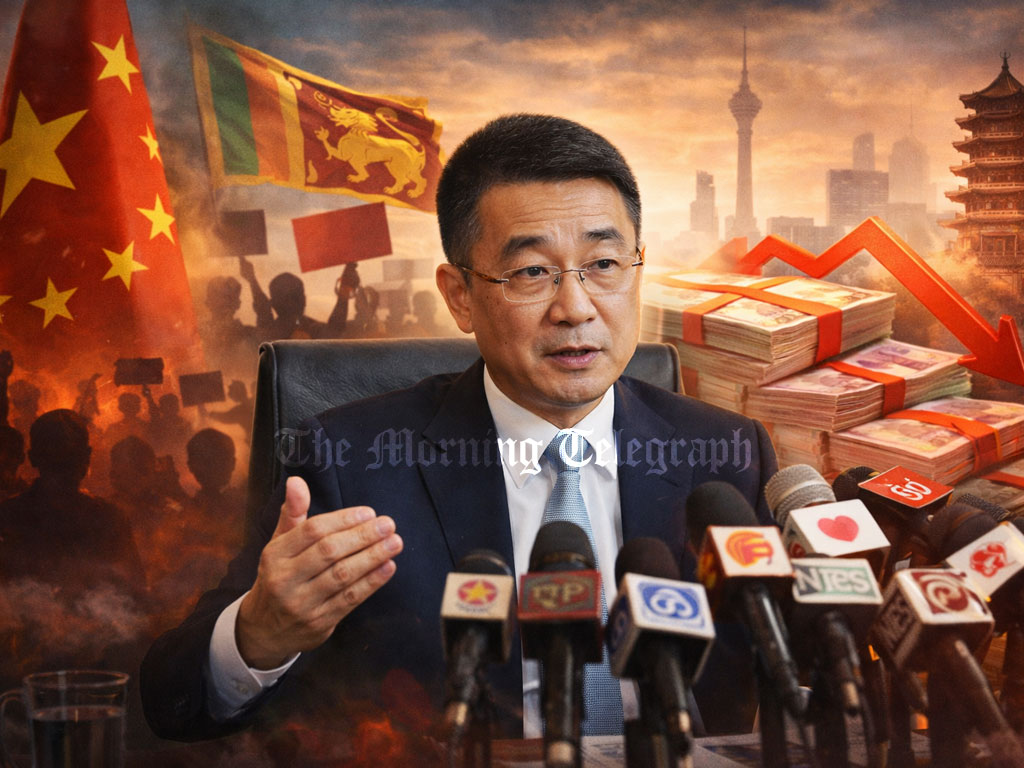
Chinese Ambassador Qi Zhenhong has defended China’s engagement in Sri Lanka while addressing concerns about a widening economic imbalance between the two countries and perceptions about China’s relationship with Tamil communities in the Northern and Eastern provinces.
Speaking to a carefully selected group of journalists in Sri Lanka, Ambassador Qi firmly rejected claims that Tamil communities in the North and East hold negative views toward China. He described such claims as a deliberately created narrative that does not reflect the reality he has personally observed during several visits to the region.
Qi stated that during his travels across Northern Sri Lanka and the Eastern Province he experienced warmth, kindness, and hospitality from the local Tamil population. According to him, the communities in these areas have demonstrated a rich cultural heritage and a willingness to engage with development partners. He argued that the suggestion that Tamils broadly oppose Chinese involvement is inaccurate and based on misinformation.

The Chinese envoy stressed that longstanding misconceptions regarding China’s intentions in Sri Lanka, particularly in the Tamil majority regions, should be corrected through direct engagement and factual understanding. He noted that narratives portraying China negatively among Tamil communities appear to be systematic and politically constructed rather than grounded in reality.
On the development front, Ambassador Qi outlined several projects funded by China that are currently being implemented in Northern and Eastern Sri Lanka. China has allocated approximately 1,200 million for development initiatives including housing assistance programs, the distribution of fishing nets for coastal communities, and dry ration packages for vulnerable families. Additional plans are being prepared to distribute special food packages during the upcoming Sinhala and Tamil New Year celebrations known as Chithirai Puthandu.
Qi also pointed to several infrastructure and social development contributions made by China in Sri Lanka which he said have not received adequate media coverage. Among these initiatives are the construction of fourteen bridges across different regions of the country, the donation of one hundred electric buses to support Sri Lanka’s public transportation sector, and the provision of school uniforms valued at fifteen million dollars distributed to students over the past four years. China has also provided a specialized medical vehicle designed to support eye clinics and liver transplant related medical services in underserved areas.
While highlighting development cooperation, the Ambassador also addressed the significant imbalance in trade between China and Sri Lanka. According to recent figures, total bilateral trade between the two countries reached approximately 6.2 billion US dollars last year. However Sri Lanka’s exports to China accounted for only about 300 million dollars of that total, leaving a substantial trade deficit.
Qi emphasized that the resulting trade gap of approximately 5.9 billion dollars demonstrates the urgent need for deeper economic cooperation and structural trade reforms. He argued that a comprehensive Free Trade Agreement between China and Sri Lanka could help address this imbalance by providing Sri Lankan exporters better access to the Chinese market.
The Ambassador encouraged Sri Lankan policymakers, business leaders, and the public to move beyond fears that Chinese market access could overwhelm local industries. Instead he suggested that a carefully negotiated Free Trade Agreement would create opportunities for Sri Lankan agriculture, manufacturing, and seafood exports to enter one of the world’s largest consumer markets.
According to Qi, strengthening economic ties through trade cooperation would benefit both nations and help Sri Lanka reduce its trade deficit while expanding its export capacity. He stressed that China remains committed to supporting Sri Lanka’s economic recovery and development through infrastructure investment, humanitarian assistance, and stronger bilateral trade partnerships.