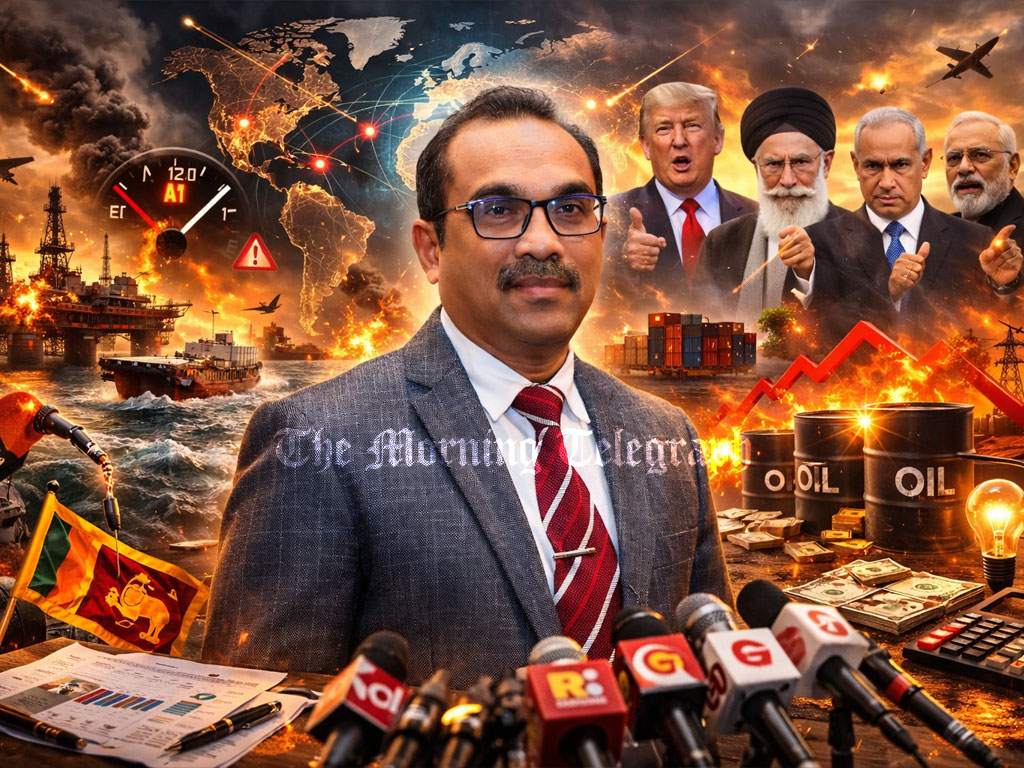
Sri Lanka faces growing uncertainty over fuel supplies as a cabinet minister warns that escalating global conflicts and reckless geopolitical decisions could trigger an energy crisis soon after the Sinhala and Tamil New Year.
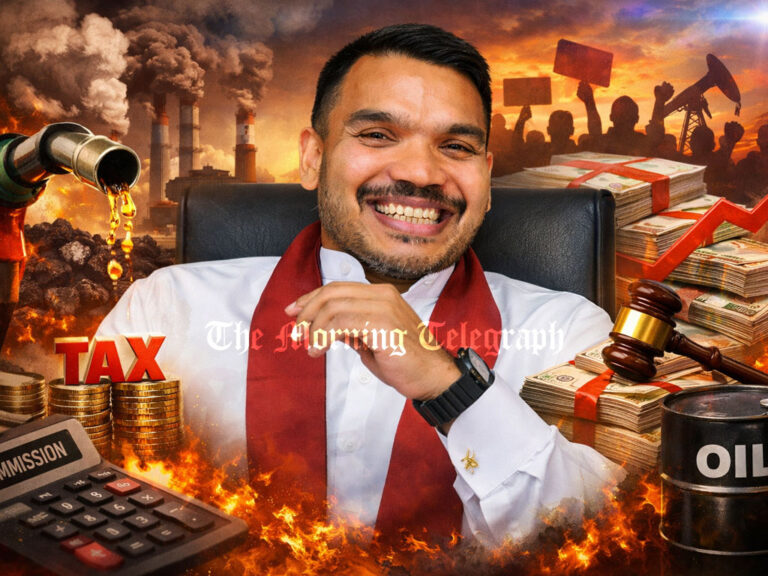
Sri Lankan Cabinet Minister Bimal Ratnayake has issued a stark warning about the country’s fuel reserves, cautioning that current stocks may only last until the Sinhala and Tamil New Year in April. His remarks come amid rising global tensions and increasing concern about disruptions to international energy markets that could severely affect smaller economies such as Sri Lanka.
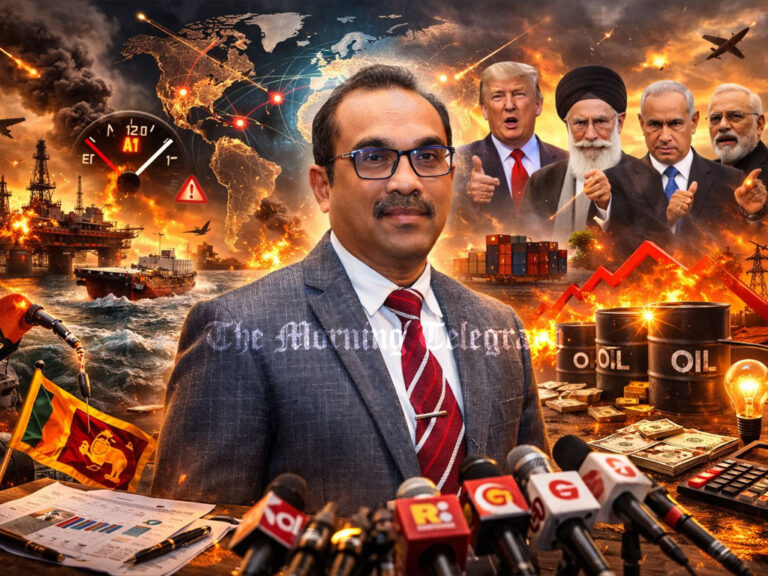
Speaking about the situation, Ratnayake explained that Sri Lanka’s fuel security is closely linked to developments in global geopolitics. According to the minister, the present international environment has become highly unstable due to escalating conflicts and aggressive policies adopted by several powerful world leaders. He argued that the reckless decisions of certain governments are now creating consequences that extend far beyond the borders of the countries directly involved in these confrontations.

Ratnayake described the current wave of global conflicts as a dangerous trend driven by poor leadership and political miscalculations. In his view, the “foolishness of certain world leaders” has contributed to increasing instability across multiple regions. These confrontations, he said, have not only resulted in devastating loss of human life but have also disrupted global supply chains and international economic systems that many nations depend on.
The minister emphasized that the ripple effects of geopolitical conflicts are being felt across the world. Nations that rely heavily on imported energy and global trade routes are especially vulnerable. Sri Lanka, as a small island nation integrated into international markets, is particularly exposed to such disruptions. Rising tensions, war related policies, and strategic confrontations among major powers have placed increasing pressure on energy supplies and shipping networks.
Ratnayake pointed out that the consequences of these conflicts extend far beyond the battlefield. Communities around the world are facing economic uncertainty, rising living costs, and instability in essential supplies. Millions of people are experiencing the indirect consequences of geopolitical rivalry as governments divert resources toward conflict while global markets struggle to maintain stability.
According to the minister, the human cost of these global confrontations is immense. Entire communities have been displaced, livelihoods have been disrupted, and economic systems have been weakened. Ratnayake warned that the mindset of leaders who prioritize confrontation over cooperation has created a chain reaction that is destabilizing economies and threatening the well being of ordinary citizens worldwide.
Sri Lanka is already experiencing the indirect impact of this global instability. The country’s dependence on imported fuel means that any disruption in international energy markets can quickly affect domestic fuel supply and pricing. Ratnayake noted that geopolitical tensions have contributed to volatility in global oil markets, making it more difficult for smaller economies to secure stable energy supplies.
Recalling earlier statements made by the President, Ratnayake said the government had already alerted the public that existing fuel stocks were expected to last only until the Sinhala and Tamil New Year period in April. This assessment was based on current consumption patterns and expected delivery schedules. However, the minister warned that if international conflicts continue to intensify, the situation could become far more complicated.
He explained that prolonged global instability could disrupt fuel shipments, increase oil prices, and create supply shortages that would directly affect Sri Lanka. As a country heavily dependent on imported petroleum products, Sri Lanka remains vulnerable to shifts in global energy markets driven by geopolitical tensions and conflict related disruptions.
Ratnayake stressed that the government is closely monitoring developments in the international arena and evaluating potential risks to Sri Lanka’s energy security. Officials are analyzing global fuel supply trends, shipping routes, and market fluctuations in order to anticipate possible shortages and prepare contingency plans.
Despite these efforts, the minister acknowledged that the country cannot fully shield itself from the consequences of prolonged geopolitical instability. If global conflicts continue or intensify in the coming months, Sri Lanka could face significant pressure in maintaining adequate fuel supplies for transportation, electricity generation, and essential services.
He concluded by urging the public to recognize the broader international factors influencing the current situation. While domestic policies play a role in managing fuel distribution and consumption, the deeper challenge lies in an increasingly unpredictable global environment shaped by conflict, competition, and strategic rivalry among major powers.