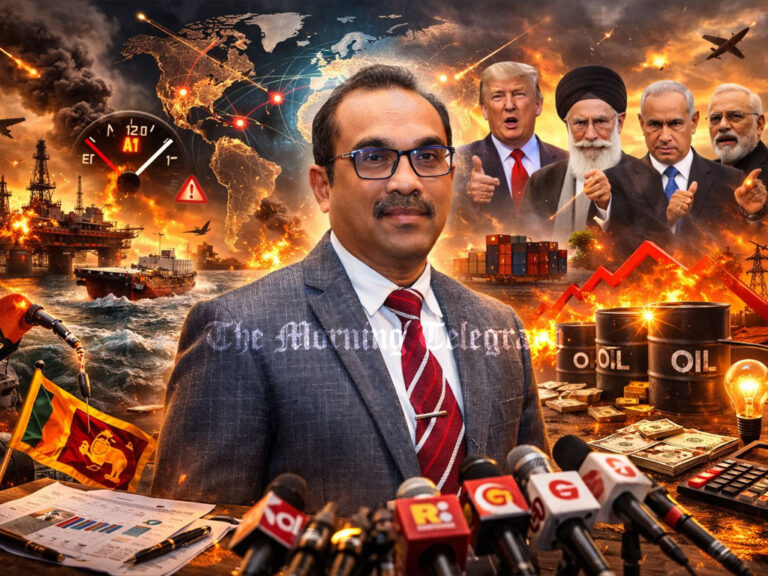
Sri Lanka’s top business leaders are urging urgent government action to shield the economy from global shocks, warning that Middle East tensions, fuel supply risks and foreign exchange pressures could undermine the country’s fragile recovery.
Sri Lanka’s leading private sector body has issued a strong warning about rising global economic risks, urging the government to take coordinated and proactive measures to protect the country’s fragile economic recovery. The Ceylon Chamber of Commerce has called for immediate policy attention as global uncertainty grows, particularly in the wake of escalating geopolitical tensions in the Middle East that could disrupt fuel supplies, trade flows and international financial stability.
In a set of policy recommendations submitted earlier this month, the Chamber outlined a series of urgent steps aimed at safeguarding Sri Lanka’s macroeconomic stability, protecting foreign exchange reserves and maintaining continuity across critical sectors of the economy. The organization stressed that early preparation and coordinated planning between the government and the private sector will be essential in minimizing potential disruptions caused by global volatility.

The Chamber’s submission, dated March 11, placed significant emphasis on the importance of maintaining Sri Lanka’s ongoing programme with the International Monetary Fund. Business leaders stressed that continuing the IMF reform programme and ensuring the timely release of upcoming funding tranches are critical to maintaining investor confidence and macroeconomic stability. According to the Chamber, adherence to the IMF programme remains a key anchor for Sri Lanka’s economic recovery strategy.
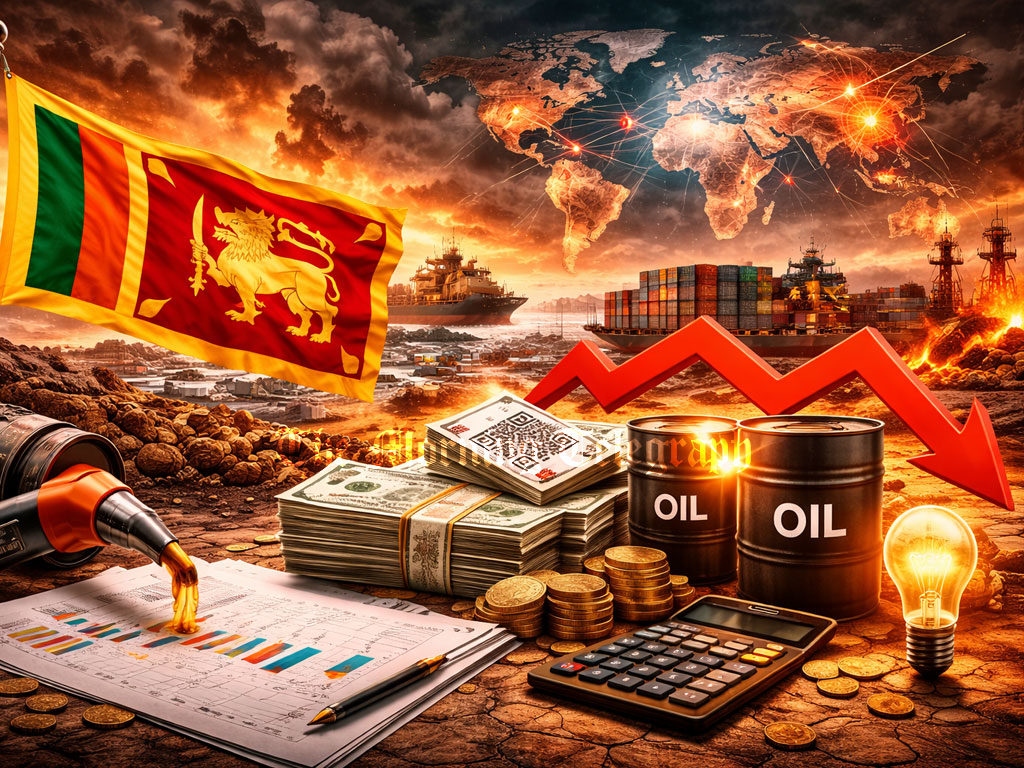
Another key recommendation focused on energy policy and fuel supply management. The Chamber advised the government to introduce a more dynamic and responsive fuel pricing mechanism that can better adapt to fluctuations in global oil markets. It also proposed the reintroduction of the QR based fuel distribution system, which was previously used during the economic crisis to regulate demand and manage limited fuel supplies. Business leaders welcomed the fact that the government has already begun implementing certain fuel related policy measures and urged authorities to strengthen those initiatives further.
Beyond fuel policy, the Chamber highlighted the need to protect supply chains and support key sectors that drive economic activity. It recommended accelerating fuel procurement procedures to ensure that adequate stocks are available if global supply disruptions occur. The Chamber also called for steps to guarantee sufficient fertilizer supplies ahead of the next agricultural cultivation season, recognizing the critical role of agriculture in maintaining food security and supporting rural livelihoods.
Tourism development was another area emphasized in the recommendations. The Chamber urged the government to intensify tourism promotion campaigns, particularly targeting regional markets such as India and East Asia. These markets are considered essential for maintaining visitor arrivals and boosting foreign exchange earnings. With tourism playing a central role in Sri Lanka’s economic recovery, the Chamber stressed that proactive marketing and strategic partnerships will be vital in sustaining the industry’s growth.
Improving trade efficiency and export competitiveness also featured prominently in the Chamber’s policy proposals. Business leaders recommended faster port clearance procedures and a review of policies that could place unnecessary pressure on the country’s foreign exchange reserves during a period of global instability. Enhancing trade facilitation, they argued, would help exporters remain competitive and ensure smoother movement of goods during uncertain times.
Building on these proposals, the Chamber presented additional measures designed to protect economic activity if global supply disruptions intensify. One of the most significant recommendations was for the government to establish a clear framework identifying essential services and priority economic sectors. Such a framework would help guide the allocation of limited resources such as fuel and foreign currency during periods of shortage, ensuring that critical industries continue operating.
Another proposal focused on strengthening fuel procurement strategies by diversifying supply sources. The Chamber suggested that Sri Lanka explore supply agreements with a wider range of international fuel suppliers in order to reduce dependency on a limited number of partners. Ensuring an adequate supply of aviation fuel was identified as especially important, as it directly affects the tourism sector and international connectivity.
The Chamber also recommended allowing licensed local bunkering companies to independently procure fuel for export oriented industries and tourism operators, potentially using foreign currency. According to the organization, similar arrangements were successfully implemented during Sri Lanka’s recent economic crisis and helped sustain key industries without placing additional pressure on domestic fuel reserves.
In order to reduce fuel consumption while maintaining economic productivity, the Chamber suggested that both public and private sector institutions consider adopting flexible work arrangements. Work from home policies, where feasible, could reduce transportation related fuel demand while allowing businesses to continue operating efficiently.
The Chamber also proposed that the government consider advancing the closure of schools and universities ahead of the upcoming Awurudu holiday period. Temporary reliance on online learning platforms could help reduce fuel consumption related to transportation while minimizing disruption to education.
Another important recommendation involved safeguarding Sri Lanka’s foreign exchange reserves. The Chamber suggested temporarily limiting non essential foreign currency outflows while prioritizing foreign exchange allocation for critical imports. These include fuel, food supplies, pharmaceutical products and essential inputs required by export oriented industries that generate foreign earnings.
The Ceylon Chamber concluded that close coordination between the government and the private sector will be essential in navigating potential global economic shocks. Business leaders reaffirmed their willingness to work closely with policymakers in refining these policy proposals and facilitating dialogue with industry stakeholders.
At the same time, the Chamber emphasized the importance of transparency and communication between authorities and the business community. Keeping companies informed of policy decisions and economic developments will allow businesses to plan ahead and respond effectively to emerging challenges in a rapidly changing global environment.