A missed diplomatic opportunity or a calculated move? Sri Lanka now faces growing pressure as past geopolitical decisions collide with today’s energy crisis and shifting global alliances.
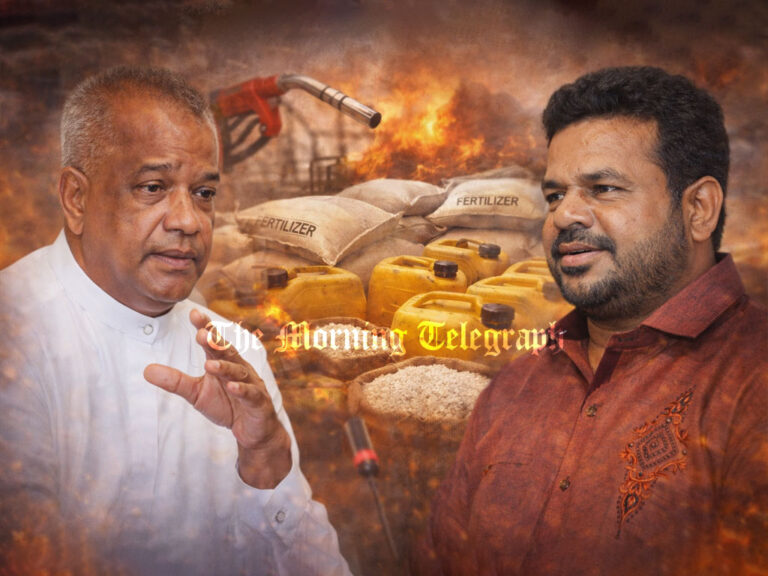
When President Anura Kumara Dissanayake assumed office, one of his earliest diplomatic engagements came from Russia. The Russian Ambassador delivered a personal invitation from President Vladimir Putin to attend the BRICS Summit in Russia, signaling Moscow’s interest in strengthening ties with Sri Lanka. Given the historical perception of the JVP as anti-American and anti-imperialist, Russia may have expected a natural alignment under Anura’s leadership.

However, the President chose not to attend the BRICS Summit. Analysts suggest this decision may have been influenced by a desire to maintain balanced relations with the United States. At the time, Anura maintained a visible working relationship with U.S. Ambassador Julie Chung, highlighting Sri Lanka’s delicate geopolitical positioning between major powers.
This balancing act became more evident in the handling of the Mattala Airport deal. The previous administration under Ranil Wickremesinghe had approved handing the airport to a Russia India joint venture. However, concerns over U.S. sanctions on Russia led to pressure from Washington. Although initial resistance was shown, the deal was ultimately reversed after Anura took office, reinforcing perceptions of alignment with Western interests.
Russia’s response was swift and critical. The Russian Ambassador publicly remarked that Sri Lanka lacked a conducive environment for investment, signaling strained diplomatic ties. This tension now appears more significant as global dynamics shift.
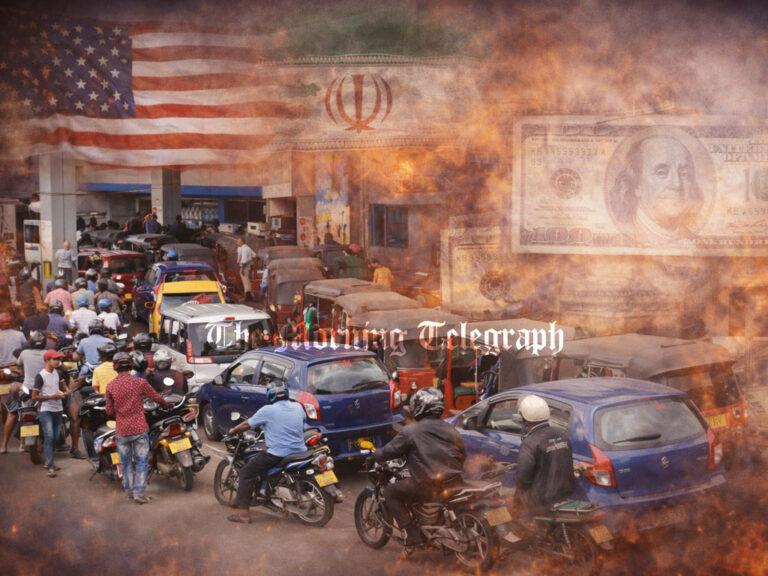
With the outbreak of the Iran war, the United States eased sanctions on Russia, allowing countries like India to resume oil trade. Sri Lanka, facing an energy crisis, turned back to Russia for fuel supplies. Diplomatic channels were reopened, and discussions began with Russia’s Energy Ministry. However, complications have emerged regarding the currency mechanism for payments, delaying progress.
In hindsight, questions arise whether declining the BRICS invitation limited Sri Lanka’s leverage with Russia. Stronger early engagement may have secured more favorable energy deals. Today, Sri Lanka finds itself navigating a complex geopolitical landscape where past decisions are influencing present challenges.