Newly declassified documents expose a shadow alliance of weapons, training, and intelligence that shaped the early years of Sri Lanka’s civil war, despite clear warnings of failure and human rights abuses.
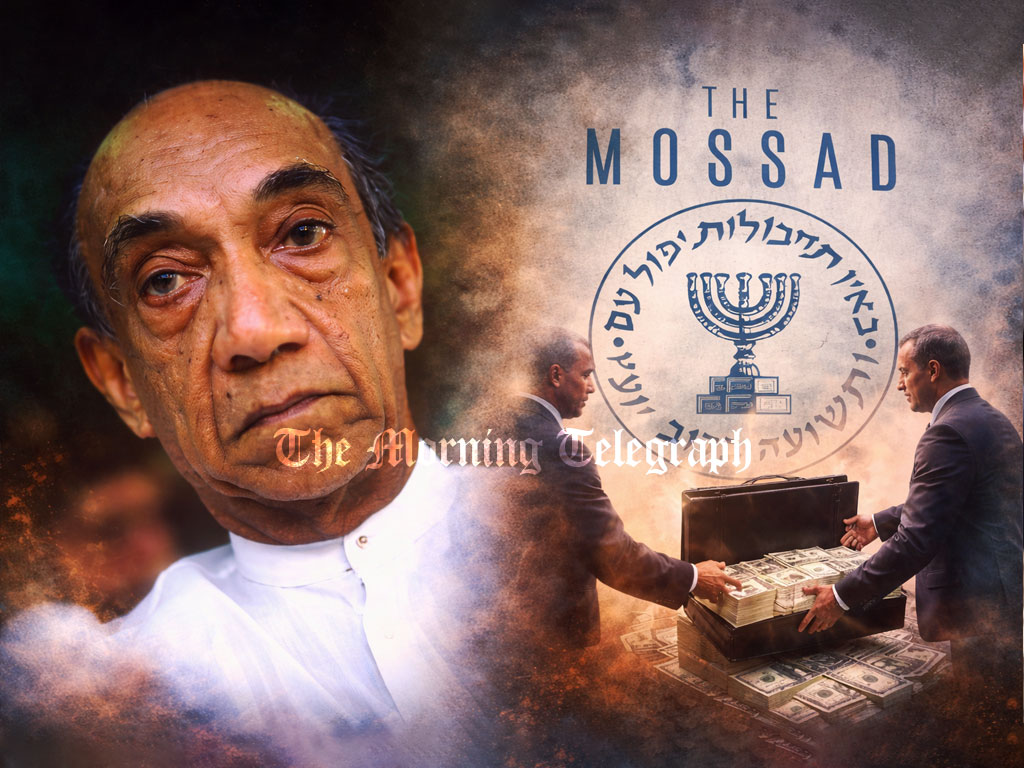
Sri Lanka’s civil war has long been viewed through the lens of internal ethnic conflict, political miscalculation, and regional geopolitics. Yet newly released archival documents reveal a deeper and more complex dimension. They point to a covert but significant relationship between Sri Lanka and Israel during the formative years of the conflict, raising difficult questions about foreign involvement, strategic interests, and moral responsibility.
The relationship itself began under unusual circumstances. In 1970, Sri Lanka severed diplomatic ties with Israel due to pressure from Arab states, aligning itself with broader geopolitical currents of the time. However, the outbreak of civil war in the early 1980s altered priorities dramatically. By 1984, an Israeli Interests Section was quietly established within the United States Embassy in Colombo, marking a discreet but important re-entry of Israeli influence into Sri Lanka.
Declassified records from Israel’s Foreign Ministry, now partially available through the Israel State Archives, shed light on the motivations behind this renewed engagement. A 1987 internal review reveals that Sri Lanka actively sought Israeli assistance to address what it described as a growing Tamil insurgency. This request opened the door to a military partnership that would expand rapidly in both scale and scope. By 1988, Israel had reportedly sold Sri Lanka military equipment worth approximately 30 million dollars, a substantial investment that underscored the seriousness of the collaboration.

Arms, Equipment, and Strategic Support
The documents provide detailed insight into the nature of Israeli military assistance. In 1985, Israel supplied Sri Lanka with six Dvora-class fast patrol boats at a cost of 10 million dollars. These vessels were designed for coastal defense and rapid response, suggesting a focus on strengthening maritime capabilities in the face of insurgent activity.
Additional correspondence from 1986 and 1987 reveals the sale of Mini-Uzi submachine guns, electronic fencing systems, advanced communication equipment, and significant quantities of ammunition. This was not limited support but a comprehensive package aimed at enhancing both operational effectiveness and internal security infrastructure.
At the same time, Israeli involvement extended beyond hardware. Training programs were initiated for the personal security unit of President Junius Richard Jayewardene. In one report, Israeli officials described conducting a shooting course for approximately 30 members of the president’s security team. The program lasted four days and was reportedly well received, indicating a close and direct level of engagement with Sri Lanka’s political leadership.
Training the Sri Lankan Military
Israeli support also included training for Sri Lankan military forces. However, this aspect of the relationship was often concealed under alternative labels. Israeli instructors were publicly presented as agricultural advisers, a cover that allowed their presence to be maintained without attracting undue attention.
Reports from early 1987 highlight the strategic expectations surrounding this training. At the time, the Tamil forces maintained control over the Jaffna peninsula, and there was growing belief among Sri Lankan forces that Israeli expertise could enable a decisive military offensive. Training sessions focused on practical combat scenarios, including challenges likely to arise during attempts to retake Jaffna.
The level of urgency is evident in communications between Israeli officials and their counterparts. Israeli leadership was informed that Sri Lanka had made an urgent request for assistance, prompting the rapid deployment of weapons and instructors. In one instance, Israeli officials claimed that even a small number of instructors had significantly improved military performance in the north, although internal correspondence suggests that such claims may have been exaggerated.
Conversations recorded in diplomatic cables reveal the mindset of Sri Lankan officials at the time. Faced with a growing insurgency and limited international support, they expressed willingness to accept assistance from any source. This sense of desperation played a crucial role in shaping the partnership.
Ambiguity and Dual Narratives
Despite the clear military focus of the relationship, there were indications that Israeli officials understood its broader implications. Internal communications suggest that the training provided was not exclusively aimed at combating Tamil insurgents. Remarks made by Israeli diplomats hint at awareness that the assistance could also influence other internal conflicts, including the southern insurgency linked to the JVP.
This dual narrative created a complex dynamic. Publicly, the relationship was framed as a targeted effort to combat terrorism. Privately, there was recognition that its impact extended beyond that narrow objective. Such ambiguity reflects the broader challenges of foreign military involvement in internal conflicts, where intentions and outcomes often diverge.
The Special Task Force and Controversial Units
One of the most contentious aspects of Israeli involvement relates to the training of Sri Lanka’s Special Task Force. This elite police unit gained a reputation for its aggressive tactics and was associated with numerous allegations of human rights abuses.
Diplomatic correspondence reveals that even allied officials expressed concern about supporting such a force. A United States diplomat reportedly warned that involvement with the unit could be both strategically unwise and ethically problematic, given its record. Despite these warnings, Israeli support continued.
Following an assassination attempt on the president, the Sri Lankan government moved to establish a new VIP protection unit drawn from the Special Task Force. Israel agreed to provide training for this unit, sending a team of instructors for a short-term program. This decision highlights the priority placed on immediate security concerns over long-term reputational risks.
Managing Perception and Public Image
Israeli officials were acutely aware of how their presence in Sri Lanka was perceived. Internal communications emphasize the importance of public diplomacy in shaping local opinion. The Interests Section sought to present itself as a normal diplomatic mission rather than a military support operation.
However, this effort faced significant challenges. The widespread belief among the Sri Lankan public was that Israel’s primary role was to assist the government in its war against Tamil militants. This perception was reinforced by official statements that had initially justified the establishment of the Interests Section.
The gap between public messaging and actual activities created a persistent reputational dilemma. While Israeli officials aimed to normalize relations, the reality of their involvement made it difficult to maintain that narrative.
High-Level Engagement and Intelligence Presence
The relationship extended to the highest levels of political and intelligence cooperation. Israeli representatives, including individuals associated with intelligence services, maintained regular contact with Sri Lankan leadership. Meetings with President Jayewardene were documented, with discussions ranging from military training to broader strategic issues.
Some reports indicate that Israeli intelligence personnel operated in Sri Lanka on a continuous basis. Their presence was not entirely secret, as local observers were aware of their activities, though often under the guise of civilian roles. This blending of intelligence and diplomatic functions underscores the multifaceted nature of the relationship.
At the same time, political considerations played a role. Sri Lankan leadership sought not only military assistance but also potential support in maintaining political power. Requests for financial assistance during election periods were recorded, though there is no evidence that such support was ultimately provided.
Strategic Dependence and Limited Options
The documents highlight a recurring theme of strategic isolation. Sri Lankan officials expressed frustration with Western countries that were unwilling to provide meaningful military support. In this context, Israel emerged as a willing partner, filling a gap left by others.
This dynamic created a form of dependence. Israeli assistance was seen as essential to the government’s efforts to counter the insurgency. Expressions of gratitude from Sri Lankan leadership reflect the importance of this support, even as its effectiveness remained uncertain.
At the same time, Israeli officials themselves questioned the optimism of Sri Lanka’s leadership. Repeated observations suggest that President Jayewardene may have underestimated the complexity of the conflict and overestimated the potential for a military solution.
Human Rights Concerns and Ethical Questions
Perhaps the most troubling aspect of the documents is the extent to which human rights concerns were acknowledged but not acted upon. Reports from Israeli representatives detail serious allegations, including disappearances, indiscriminate attacks on civilians, torture, and the suppression of political dissent.
These reports paint a stark picture of the conflict’s human cost. They also raise questions about the ethical implications of continued military support in such a context. Despite being aware of these issues, Israeli officials chose to maintain their involvement, prioritizing strategic considerations over moral concerns.
External criticism was also mounting. Advocacy groups in the United States accused Israel of contributing to violence through its support for Sri Lankan security forces. While these allegations were publicly denied, the declassified documents confirm that such assistance did take place.
Early Doubts About Military Success
Even at an early stage, there were doubts about the viability of a military solution. American officials warned that Sri Lanka’s leadership might be overestimating its ability to defeat the insurgency through force. These concerns were echoed in Israeli assessments, which frequently noted a disconnect between official optimism and on-the-ground realities.
Despite these warnings, the partnership continued. The logic was straightforward. Military assistance had become a cornerstone of the bilateral relationship, and withdrawing support could jeopardize broader strategic interests. This decision reflects a common pattern in international relations, where short-term objectives can outweigh long-term considerations.
A Complex Legacy
The declassified documents provide a rare glimpse into a hidden chapter of Sri Lanka’s history. They reveal a relationship shaped by mutual needs, strategic calculations, and difficult compromises. For Sri Lanka, the partnership offered access to resources and expertise at a time of crisis. For Israel, it provided an opportunity to expand its influence and strengthen diplomatic ties.
Yet the legacy of this relationship is far from straightforward. It raises important questions about the role of external actors in internal conflicts and the balance between strategic interests and ethical responsibilities. It also highlights the limitations of military solutions in addressing deeply rooted political and social issues.
As Sri Lanka continues to reflect on its past, these revelations add another layer to the narrative of its civil war. They remind us that history is rarely simple and that the decisions made in moments of crisis can have lasting consequences.
SOURCE :- thewire.in