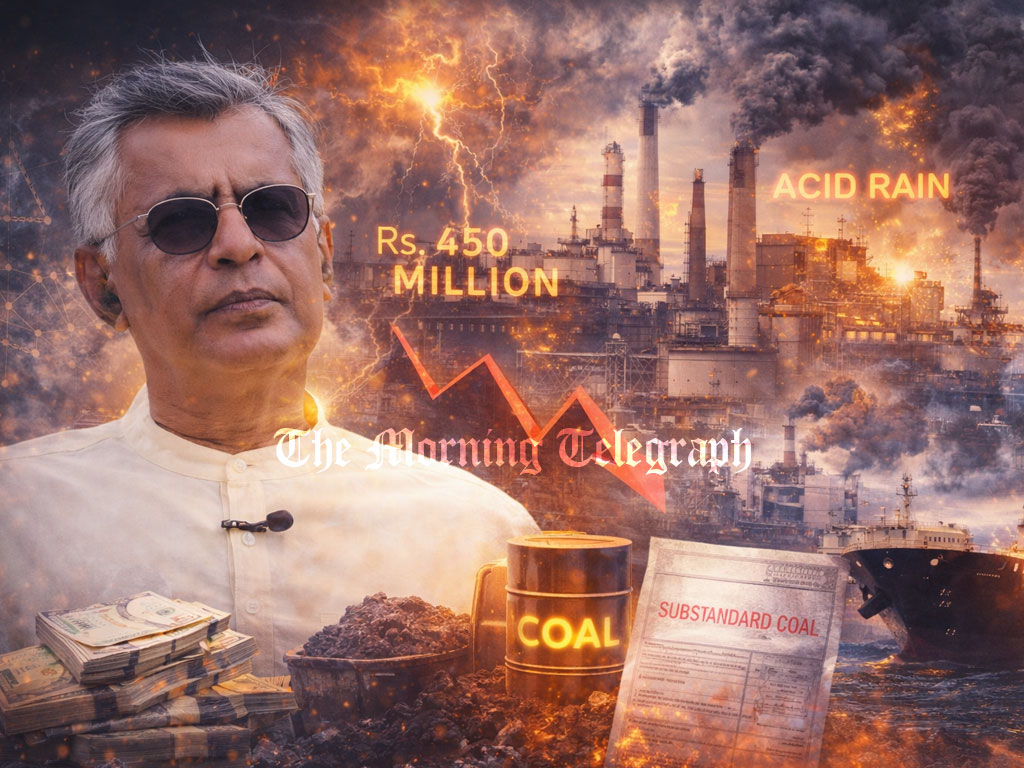
A shocking energy scandal reveals how substandard coal imports and corruption could cost Sri Lankans billions while pushing the nation toward a looming electricity crisis.
Former Minister Patali Champika Ranawaka has warned that Sri Lanka’s energy sector is entering a dangerously unstable phase, with corruption in the coal tender process set to impose an additional Rs. 21 billion burden on the public within the next three months. Speaking during the Public Utilities Commission’s electricity tariff review consultation, he outlined a troubling chain of inefficiencies and alleged malpractice.
Ranawaka highlighted that official forecasts indicate a shortfall of 275 gigawatt hours in coal-based electricity generation. To compensate, the country will be forced to rely on oil-powered plants, requiring an estimated 71 million liters of fuel. He emphasized that this volume equals nearly 25 days of the nation’s total diesel consumption for transport, underscoring the severity of the crisis.

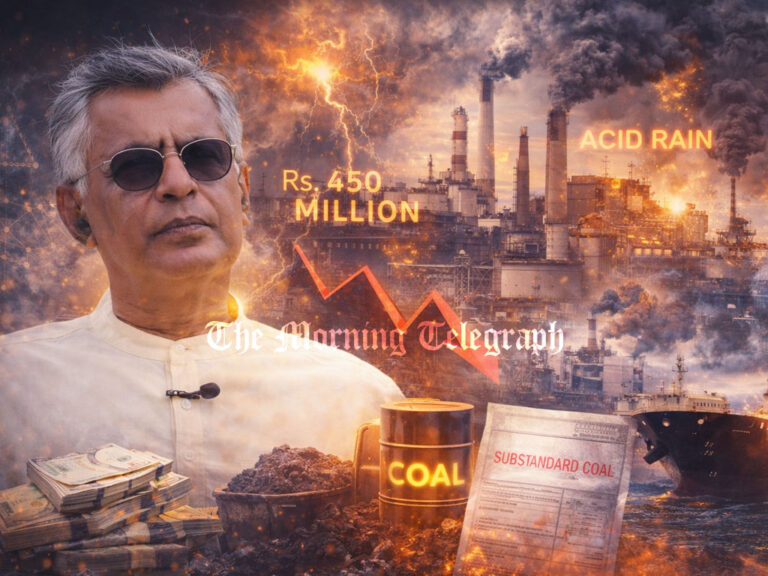
The former minister alleged that a so called coal mafia has generated illegal profits of around Rs. 450 million from just 12 shipments of substandard coal. He called on regulators to clearly separate genuine electricity generation costs from those inflated by fraud and irregularities.
He also warned of environmental consequences, noting that burning low quality coal has released harmful gases such as sulfur dioxide and nitrogen oxide into the Colombo atmosphere, increasing risks of acid rain and long term health issues. Ranawaka criticized the silence of key institutions, including the Central Environmental Authority.
He further condemned the current cross subsidy electricity pricing model, arguing it unfairly burdens low income households while benefiting high consumption users. With over one million citizens already affected by power disruptions, he urged urgent policy reform.