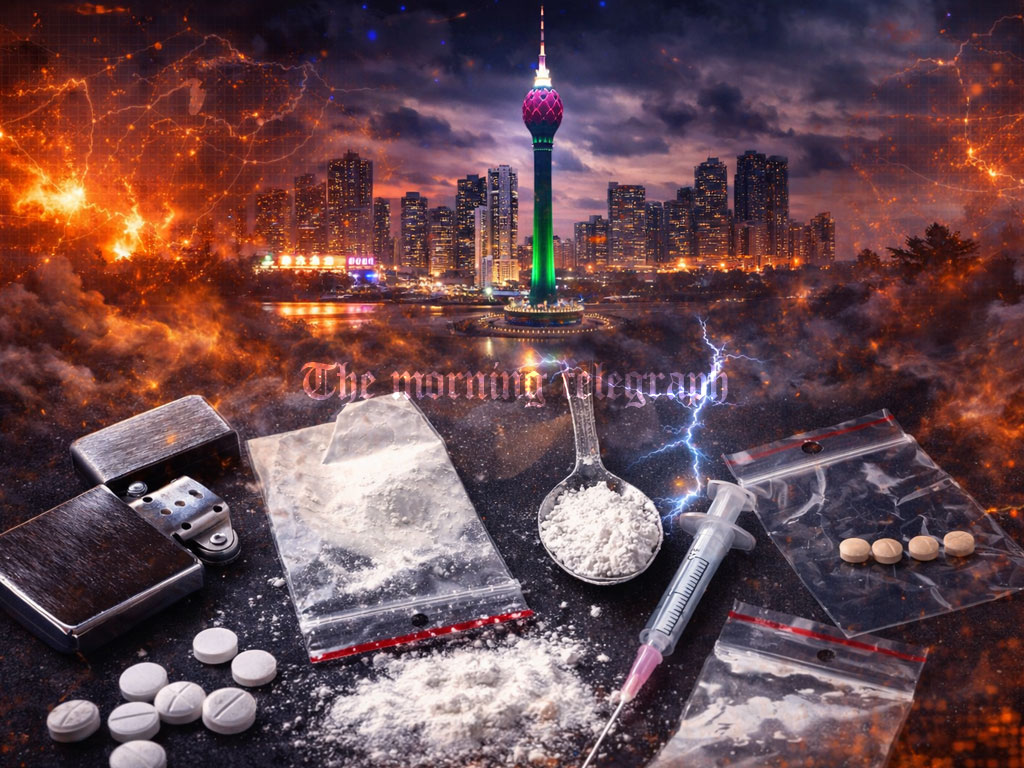
A chilling transformation is unfolding beneath the surface, where casino capitalism, narcotics networks, and silent power structures are reshaping Sri Lanka’s identity into a dangerous marketplace of vice.
Sri Lanka today stands at a troubling crossroads. What appears on the surface as economic recovery and development hides a deeper and more unsettling shift. This is no longer just a country dealing with fiscal instability or governance gaps. It is becoming a landscape where indulgence is rebranded as progress and where cultural identity is quietly giving way to a new economy driven by vice, illicit capital, and unchecked ambition. The change is not accidental. It reflects a deliberate evolution shaped by powerful interests operating with minimal restraint, while sections of the media soften or ignore the consequences.

The contradiction becomes visible the moment one arrives in Colombo. A serene Buddha statue welcomes visitors, symbolising discipline and spiritual depth. Yet within minutes, that calm is replaced by a strikingly different reality. Flashy advertisements, casino promotions, and commercial messaging dominate the journey from the airport. What once showcased Sri Lanka’s natural beauty and civilisational heritage is now overshadowed by aggressive marketing tied to gambling, luxury excess, and speculative development. This shift is not harmless branding. It signals a deeper transformation in national identity, moving from heritage to transactional appeal.
Projects such as the City of Dreams, supported by major corporate players including John Keells, represent more than infrastructure development. They reflect a strategic repositioning of Sri Lanka within a global network of casino capitalism. The idea that the island could become a Macau for India has been openly promoted by foreign investors. Such a vision should have sparked national debate. Instead, it has been met with silence or passive acceptance. This muted response suggests either discomfort or complicity, reinforced by a media environment that often avoids critical scrutiny when powerful economic interests are involved.
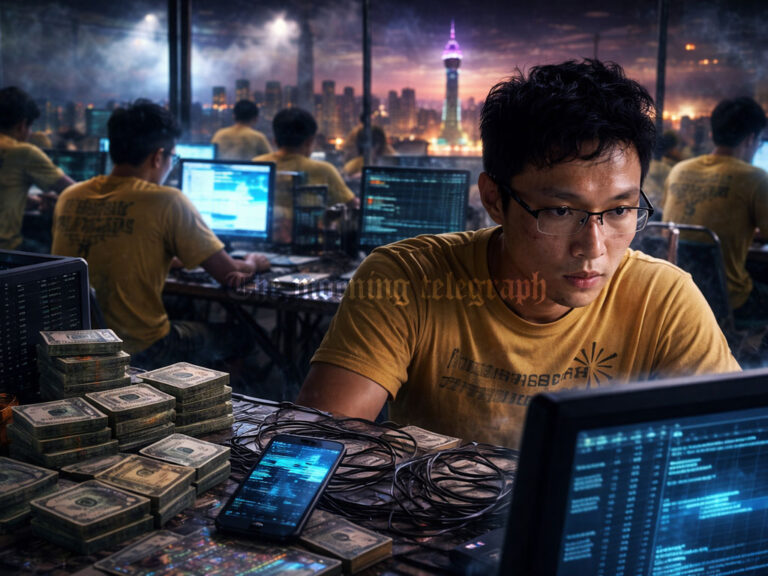
Looking at Macau itself offers a sobering perspective. Behind its bright lights lies a system intertwined with drug trafficking, labour exploitation, and opaque financial practices. It is an ecosystem where legality can blur and vulnerability becomes commodified. Attempting to replicate such a model in Sri Lanka is not simply an economic gamble. It is a cultural and ethical risk. Yet for many decision makers and business elites, the pursuit of profit appears to outweigh concerns about long term societal impact.
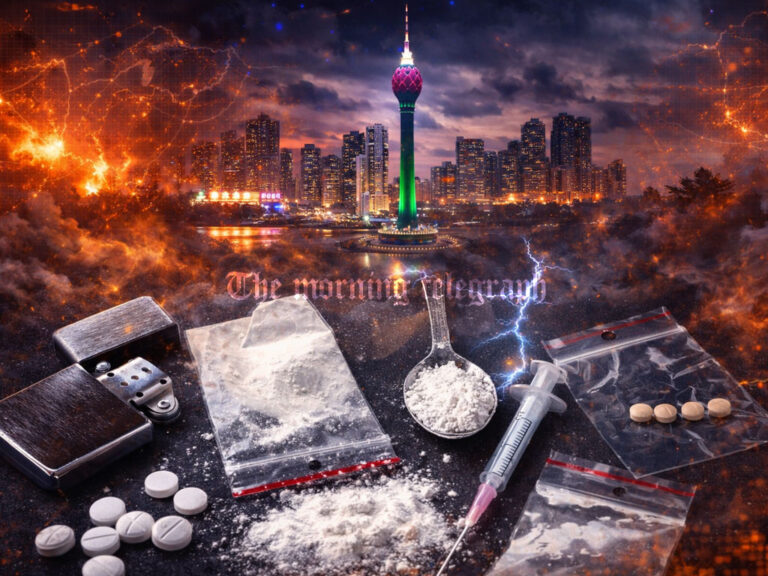
Alongside the rise of casino driven development, a far more dangerous trend is taking hold. Sri Lanka is increasingly becoming a key node in international drug networks. The numbers emerging from the nationwide Yukthiya operation are staggering. Since late 2025, more than 121000 individuals have been arrested and nearly 7800 kilograms of narcotics seized. These figures reveal not just enforcement success but the scale of the underlying problem. Such volumes suggest a deeply entrenched and highly organised network operating across the country.
The composition of these seizures is equally alarming. Authorities have recovered over a metric tonne of heroin, significant quantities of crystal methamphetamine, large volumes of cannabis, and cocaine. Nearly one million synthetic pills have also been confiscated. This is not small scale activity confined to the margins. It is an industrial level operation embedded within multiple layers of society. The involvement of thousands of minors adds another disturbing dimension, turning this into a generational crisis rather than a simple law enforcement issue.
Financial implications further deepen the concern. Investigations have identified close to two hundred individuals holding assets linked to drug money. This points to a sophisticated system of money laundering where illegal profits are integrated into the formal economy. Real estate, hospitality, and legitimate business sectors become channels for cleansing illicit funds. Without stronger regulatory oversight, these activities distort markets and allow criminal influence to operate under the cover of respectability.
The international reach of these networks cannot be ignored. Sri Lankan drug syndicates are connected to a wider global system extending to cities such as Dubai, where key figures reportedly coordinate operations. European destinations like Italy and Romania are also emerging as safe zones for these networks. This global footprint highlights the need for stronger international cooperation, intelligence sharing, and diplomatic engagement. Without it, external connections will continue to strengthen domestic instability.
Addressing this crisis requires more than rhetoric. Structural reforms are essential. Surveillance systems must evolve to match the sophistication of modern criminal networks. A comprehensive digital registry of property ownership is necessary to trace illicit wealth and identify hidden beneficiaries. Current gaps in transparency provide ideal conditions for money laundering and financial concealment.
Rehabilitation systems also demand urgent attention. While thousands of individuals have been processed through rehabilitation programmes, existing facilities and frameworks are inadequate. Legal barriers further complicate reintegration, often trapping individuals in cycles of relapse and marginalisation. Meaningful amendments to rehabilitation policies are critical if recovery is to be realistic rather than symbolic.
At a deeper level, the issue extends beyond policy into the moral fabric of society. A culture that celebrates excess while neglecting ethical responsibility cannot expect stability. Casino expansion, tolerance of questionable capital, and indifference toward drug proliferation are interconnected issues. Addressing one without confronting the others risks creating a false sense of progress.
Sri Lanka’s future is not predetermined. It is shaped by decisions made today by policymakers, business leaders, and institutions. The current trajectory reflects a pattern of choices that prioritise short term gain over long term integrity. Reversing this path requires clarity, courage, and a willingness to reject narratives that equate vice with development. It demands a renewed focus on values that place human dignity above profit.
If this direction continues unchecked, Sri Lanka risks losing more than economic stability. Its global reputation, social cohesion, and cultural identity are all at stake. Becoming a hub of narcotics and casino driven excess would not signal progress. It would represent a profound failure of leadership and vision. The choice ahead is clear. The country can either confront these challenges directly or drift further into a system that erodes its foundations from within.