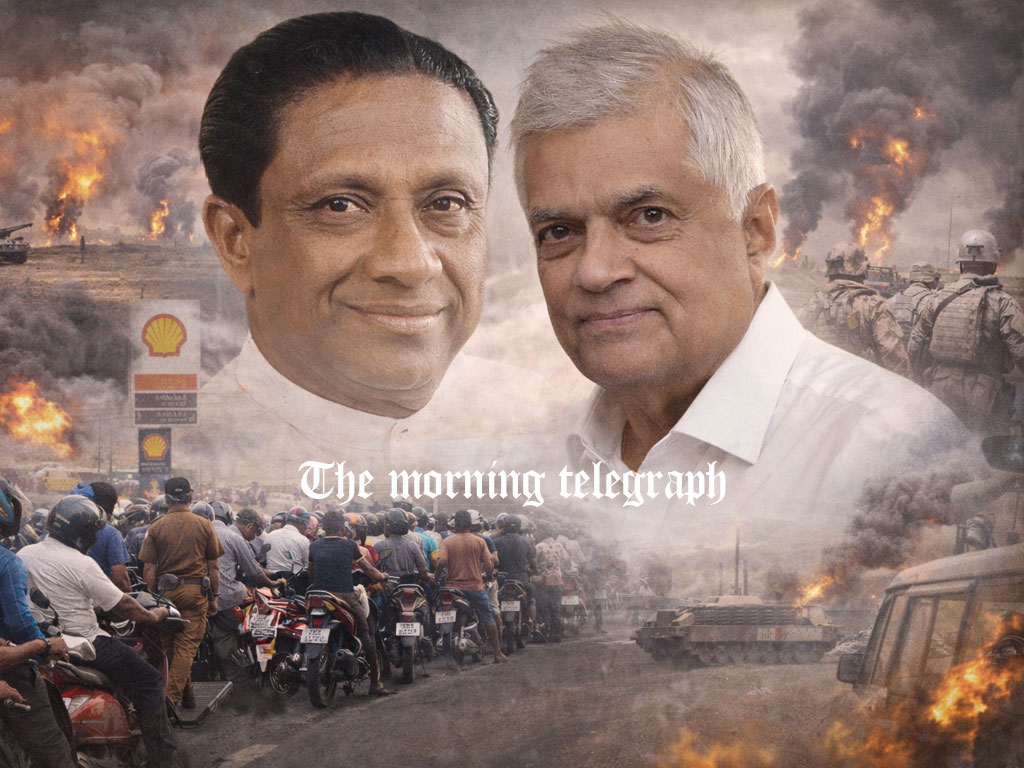
While current Sri Lankans face fuel queues and rationing, history shows how Presidents Premadasa and Wickremesinghe navigated two Middle East wars without shortages, raising urgent questions about today’s crisis management and diplomatic strategy.
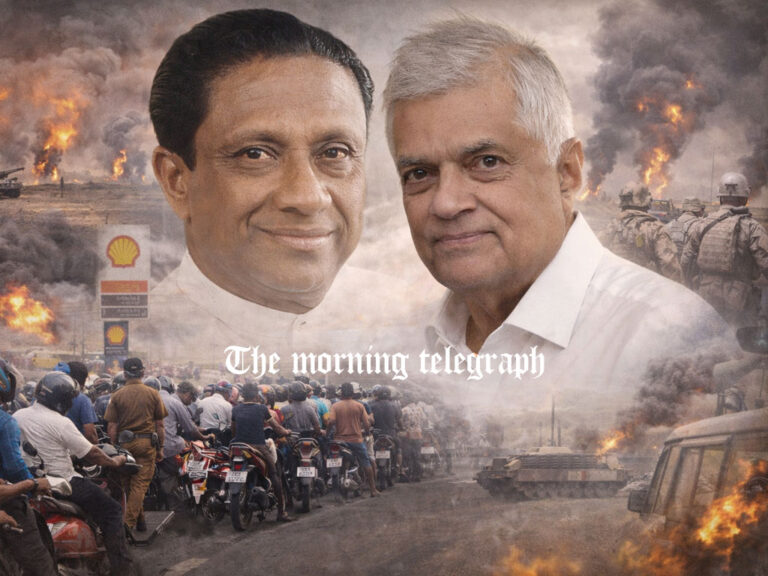
Popular slogans circulating in JVP social media campaigns attempt to deflect blame for the current fuel crisis onto external forces beyond the government’s control. “It’s all because of Trump,” they claim. “The country was being run so well.” “During Gotabaya’s time, fuel ran out because of external forces. Now fuel is running out because of the war.” Yet remarkably, no one speaks about how two previous Sri Lankan presidents successfully managed global oil crises that followed Middle East wars without subjecting the nation to fuel queues or rationing. Their stories offer a striking contrast to today’s struggles.

When Ranasinghe Premadasa assumed the presidency in December 1988, he inherited a country consumed by flames on multiple fronts. The JVP insurgency had paralyzed the nation through armed violence, burning fuel bowsers and buses while bringing economic activity to a standstill. Simultaneously, the Indian Peace Keeping Force occupied the North and East, while the LTTE prepared for renewed warfare. Premadasa famously remarked, “I was not handed a country, but a torch burning at both ends.” He systematically untangled this complex crisis, first expelling Indian forces against all expectations, then crushing the JVP insurgency by November 1989. Only by early 1990 did he finally secure a moment to breathe.
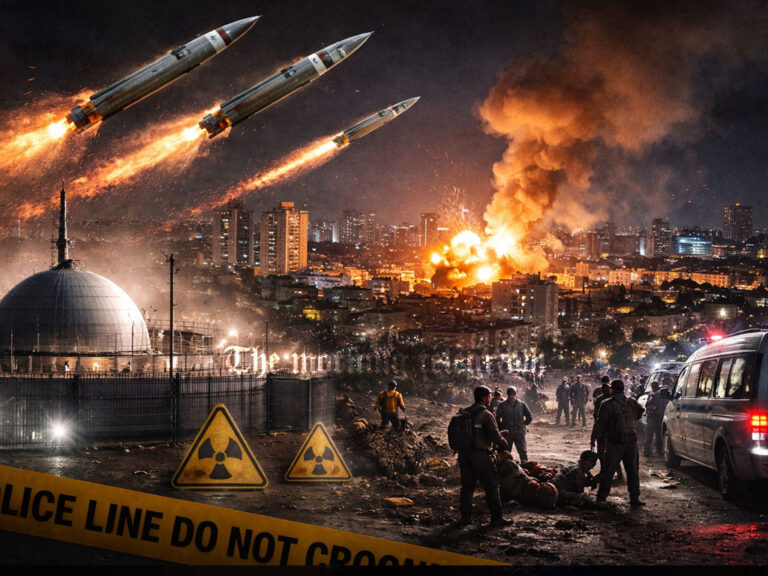
That relief proved short lived. In August 1990, Iraq invaded Kuwait, triggering a global oil crisis that sent shockwaves through energy markets. At the time, nearly 100,000 Sri Lankan workers were employed in Kuwait and Iraq, facing grave danger as war erupted. Oil prices soared dramatically while supply chains were disrupted worldwide.
Premadasa’s response demonstrated strategic foresight. His first priority was rescuing stranded Sri Lankan workers living in fear. He immediately instructed the Sri Lankan Embassy in Saudi Arabia to establish safe centers and arranged evacuation for embassy staff families. Crucially, he had already closed the Israeli Embassy in Sri Lanka after a commission of inquiry revealed Israel had supplied arms and military training to both the Sri Lankan military and the LTTE. This decision earned him substantial goodwill among Arab nations.
Having cultivated strong relationships with Arab leaders, Premadasa secured a quota system to obtain oil at preferential prices. When war broke out, he personally contacted Arab leaders to ensure this supply continued uninterrupted, effectively preventing shortages and price spikes domestically. Through negotiations with Kuwait and the United Nations, he also helped establish a compensation fund for affected foreign workers, bringing significant foreign exchange into Sri Lanka that offset lost remittances. Those who remember the Iraq Kuwait war recall: “We never saw fuel queues in Sri Lanka during that time. Fuel prices did not skyrocket locally.”
In March 2003, Ranil Wickremesinghe’s UNP government faced another Middle East war when the United States invaded Iraq alongside the United Kingdom, Australia, and other allies. This conflict shook the entire world. At that time, Ranil’s government was engaged in fragile peace talks with the LTTE and receiving substantial international support and aid packages from Western countries, including the United States. This made the government cautious about antagonizing Washington.
Despite widespread anti American sentiment and protests organized by opposition parties including the SLFP and JVP, who even launched boycotts of American goods, the government managed to supply fuel without shortages. Even as global oil prices surged rapidly, the government absorbed price shocks through subsidies, ensuring consumers remained insulated. Fuel queues were not seen during that period either.
Both Premadasa and Wickremesinghe demonstrated that proactive diplomacy, strategic international relationships, and swift government action could effectively shield Sri Lanka from the worst effects of global energy crises. Premadasa built goodwill with Arab nations before the crisis struck. Wickremesinghe maintained diplomatic balance while absorbing global price shocks through subsidies.
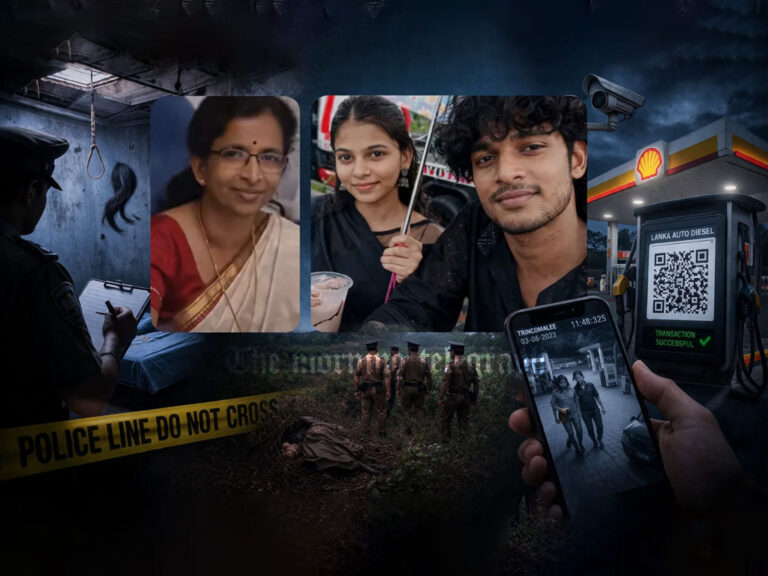
Today, as Sri Lankans face fuel rationing, QR code systems, and long queues for essential supplies, a pressing question emerges from this historical comparison: “Why is it that a fuel rationing system never seen during two Middle East wars is being experienced now?” That is the question the government must answer as citizens compare past leadership with present crisis management, wondering whether external circumstances alone explain the current hardships or whether domestic strategy has played a decisive role.