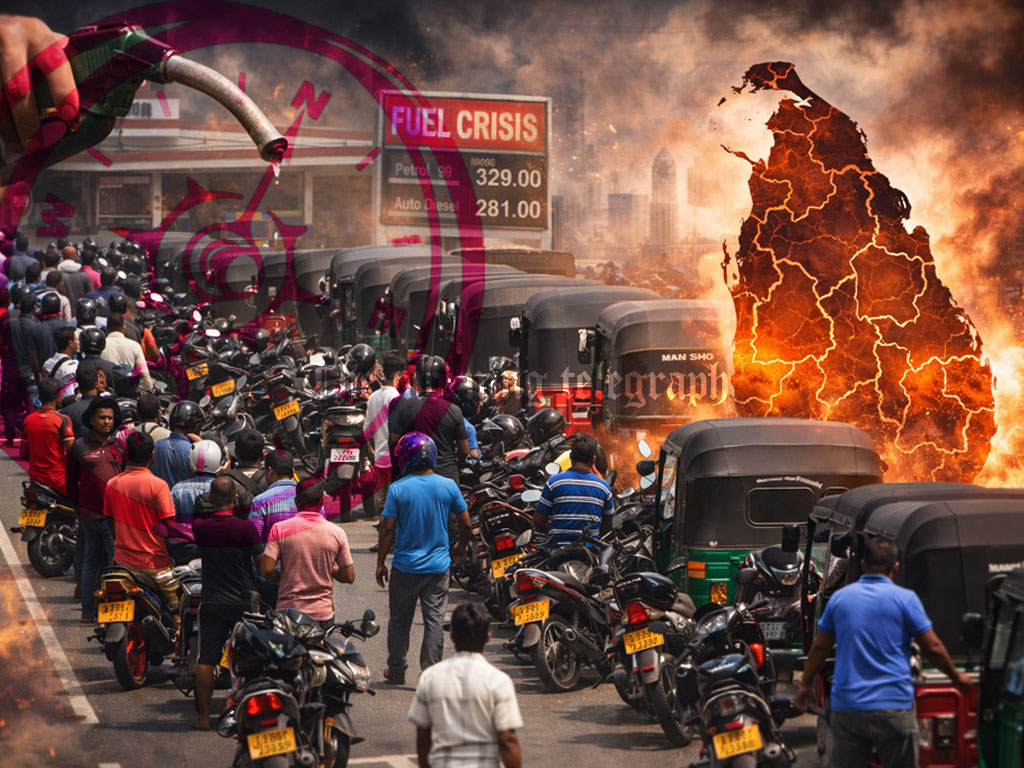
Sri Lanka’s worsening fuel shortages and global energy shock expose the fragility of the promised political reset, as rising public frustration and economic pressure begin to test the strength of the ruling NPP government.
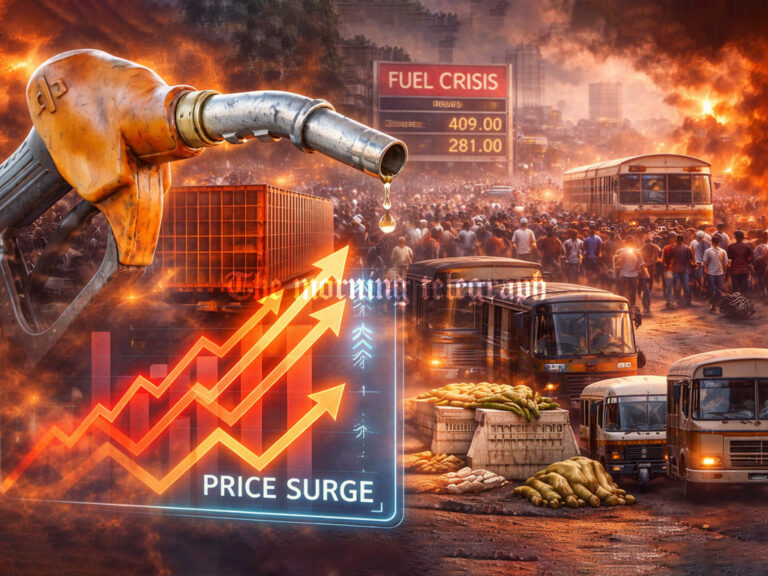
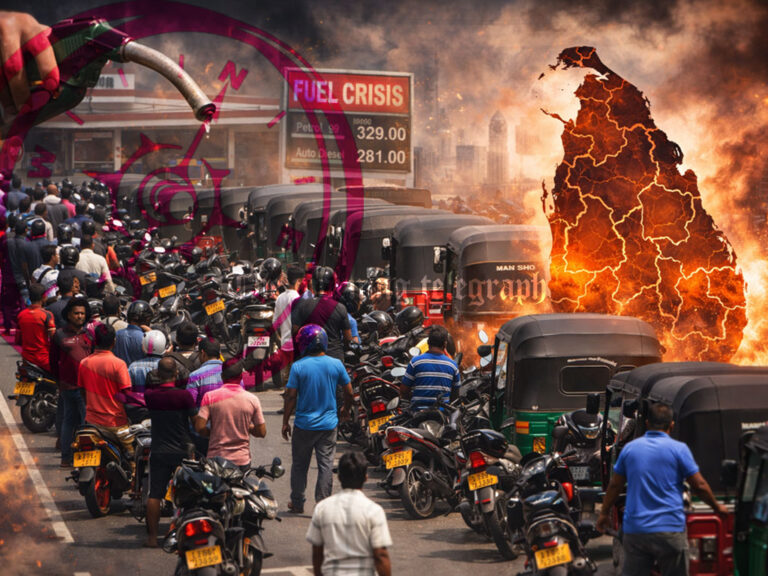
The JVP-led NPP government now finds itself in a deeply challenging position, grappling with a severe fuel crisis that threatens to spiral into a broader economic downturn. Despite the introduction of the QR-based fuel quota system and the additional odd-even rationing mechanism, long queues at fuel stations continue to persist across the country, highlighting the scale of the crisis and the limits of current policy responses.

This is a situation few anticipated just weeks ago. Global energy markets have been thrown into turmoil by escalating geopolitical tensions, particularly in the Middle East. The intensifying conflict involving the United States, Israel, and Iran has disrupted oil supply routes, with the closure of the Strait of Hormuz cutting off nearly one fifth of the world’s oil flow. Repeated attacks on vessels navigating the region have further compounded the crisis, sending shockwaves through global fuel supply chains and impacting import-dependent economies like Sri Lanka.
Politics, by its very nature, is unpredictable. Governments with even the strongest mandates are not immune to sudden shocks. Sri Lanka has already witnessed how unforeseen crises can destabilize powerful administrations. The Covid-19 pandemic, for instance, pushed a government with a commanding parliamentary majority into an economic tailspin, eventually forcing the resignation of a sitting President amid public unrest.
Today, the current administration is facing a similar test. Alongside the ongoing energy crisis, it must also manage the demands of economic recovery, reconstruction, and social stability. The impact of the Middle East conflict has created a dual pressure on the economy, combining supply disruptions with rising costs. While these challenges are largely beyond the government’s control, public perception often tells a different story.
For citizens standing in fuel queues for hours or even days, global geopolitical explanations offer little comfort. The immediate concern is access to fuel and the rising cost of living. Public frustration is growing, and expectations remain high that the government will find a way to ensure stable supply and price control.
This situation carries a sense of irony. The same political movement that criticized previous governments for shortages and mismanagement during crises now finds itself under similar scrutiny. During the pandemic, fuel shortages and supply disruptions were key factors that fueled public anger and ultimately contributed to the mass protests known as Aragalaya.
Historical parallels offer further insight. Sri Lanka and the wider world have faced resource crises before. The global grain shortage of the early 1970s demonstrated how supply disruptions could trigger widespread economic and political consequences. In Sri Lanka, strict rationing and state controls were introduced in response, but these measures also generated public dissatisfaction and contributed to a significant political shift.
Similarly, economic hardship in the 1950s led to drastic policy decisions that sparked mass protests and political upheaval. The reduction of subsidies and rising prices created a wave of unrest that culminated in a nationwide hartal, highlighting the deep political risks associated with shortages of essential goods.
The lesson from history is clear. Even when shortages are driven by global factors, governments are ultimately held accountable by the public. The introduction of rationing systems, while necessary under certain conditions, often carries heavy political costs.
The current fuel crisis reflects this reality. Long queues at filling stations have become a visible symbol of economic strain, and such scenes have the potential to trigger wider discontent. Political stability can quickly erode when basic needs are not met, regardless of the underlying causes.
The expectations placed on the current government were exceptionally high. The 2024 electoral mandate was widely seen as a call for a decisive break from past governance failures. Many voters hoped for a transformative political reset that would eliminate corruption, improve accountability, and establish a new political culture.
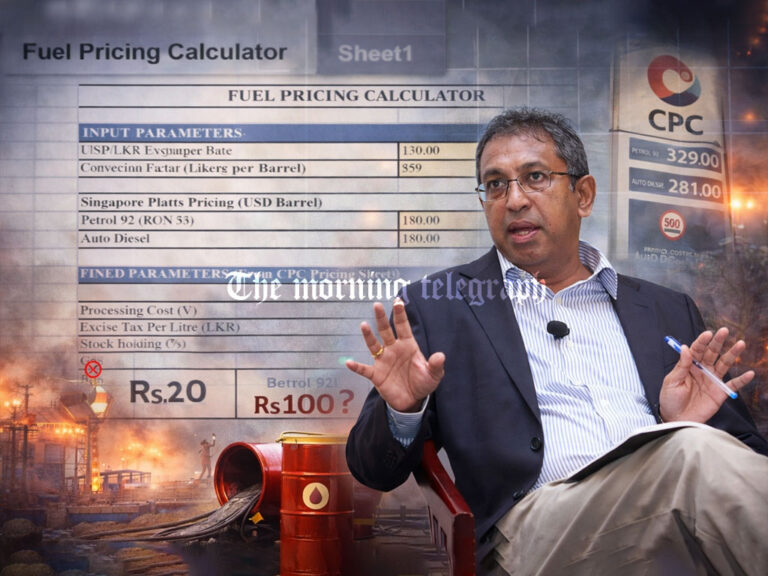
However, the unfolding crisis has begun to test these expectations. Allegations of irregularities, including issues related to energy sector procurement, have raised concerns about transparency and governance. A motion of no confidence against the Energy Minister has further intensified the political pressure on the administration.
Public confidence is a fragile asset. Previous political transitions in Sri Lanka have shown how quickly optimism can turn into disillusionment. The cycle of hope followed by disappointment has been a recurring theme in the country’s recent history.
The present moment represents a critical juncture. The government must not only manage an immediate energy crisis but also maintain public trust and deliver on its broader promises of reform. Failure to do so could undermine the very idea of a political reset that brought it to power.
As fuel shortages persist and economic pressures mount, the central question remains whether the current administration can navigate this crisis effectively or whether it will face the same fate as its predecessors. The promise of a new political era now hangs in the balance, challenged by the harsh realities of global conflict and domestic expectations.