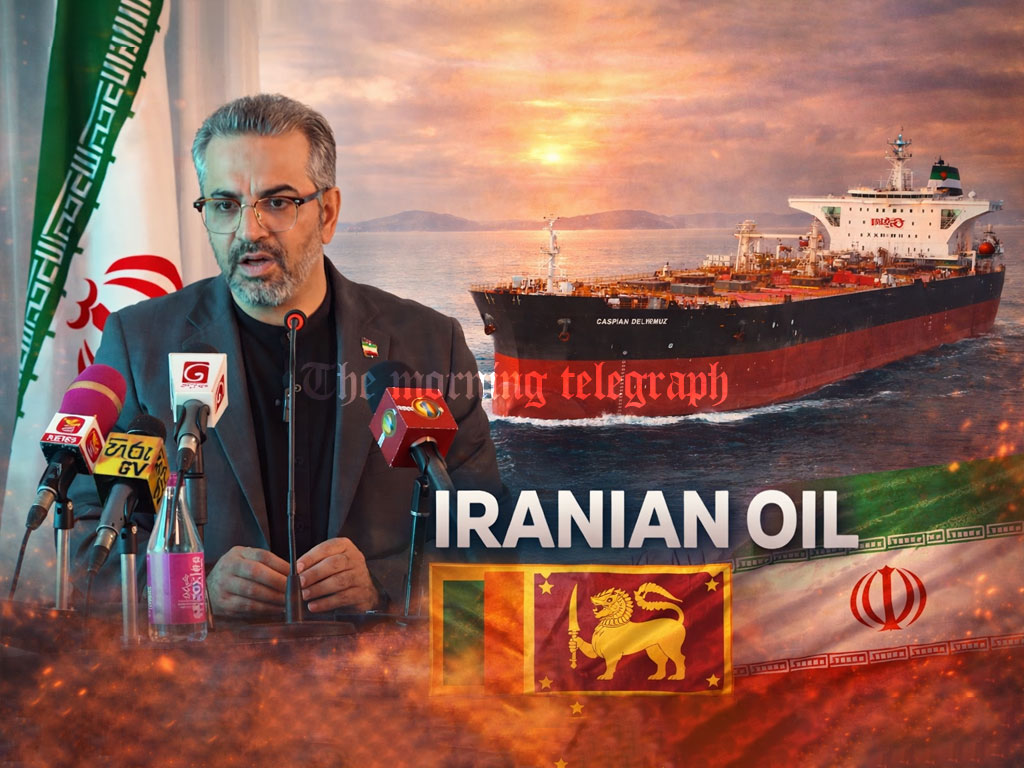
A timely diplomatic signal from Iran offers Sri Lanka a potential energy lifeline, easing fears over fuel shortages while strengthening strategic ties amid a volatile global oil crisis.
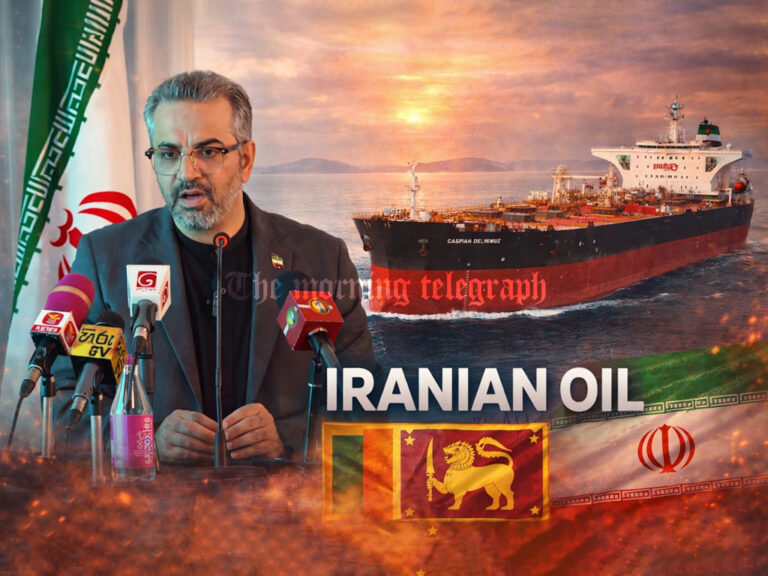
At a media briefing held at the Embassy of the Islamic Republic of Iran in Colombo, Iranian Ambassador Dr. Alireza Delkhosh delivered a clear and measured message that positioned Iran as a supportive partner to Sri Lanka during a period of mounting economic and energy uncertainty. Speaking against the backdrop of global fuel instability and Middle East tensions, the ambassador reaffirmed Iran’s commitment to maintaining strong bilateral relations with Sri Lanka while signaling a readiness to assist in practical and meaningful ways.

Describing Sri Lanka as a trusted and friendly nation, Ambassador Delkhosh emphasized that Iran’s foreign policy continues to prioritize cooperation with countries that maintain positive diplomatic ties. He noted that despite growing geopolitical tensions, the Strait of Hormuz remains accessible to vessels belonging to friendly nations, including Sri Lanka. This assurance carries significant weight given the strategic importance of the route in global oil supply chains and the fears surrounding disruptions in maritime energy transport.
The ambassador’s remarks also carried a strong economic undertone. He indicated that Iran is prepared to supply essential commodities, including crude oil and refined fuel, should Sri Lanka require assistance. This statement comes at a critical time when Sri Lanka is grappling with fuel shortages, rising costs, and supply uncertainties linked to global price fluctuations and regional conflict. By extending this offer, Iran has effectively positioned itself as a potential stabilizing partner in Sri Lanka’s ongoing energy crisis.
Highlighting the historical goodwill between the two nations, Dr. Delkhosh underscored the respect and admiration that Iran holds for the people of Sri Lanka. He stressed that Iran does not wish to see Sri Lanka face hardship and remains open to facilitating support mechanisms that could ease the burden on the country’s economy. His comments reflected not only diplomatic courtesy but also a strategic intent to deepen economic engagement and cooperation.
The broader implication of this development lies in the potential recalibration of Sri Lanka’s energy partnerships. As global fuel markets remain volatile and traditional supply routes face uncertainty, Iran’s willingness to step forward introduces an alternative avenue that could enhance energy security. At the same time, it reinforces the importance of maintaining diversified international relationships to navigate complex economic challenges.
Overall, the ambassador’s statement serves as both reassurance and opportunity. It highlights Iran’s readiness to act as a reliable partner while offering Sri Lanka a possible pathway to mitigate its fuel crisis through strengthened bilateral cooperation and strategic energy collaboration.