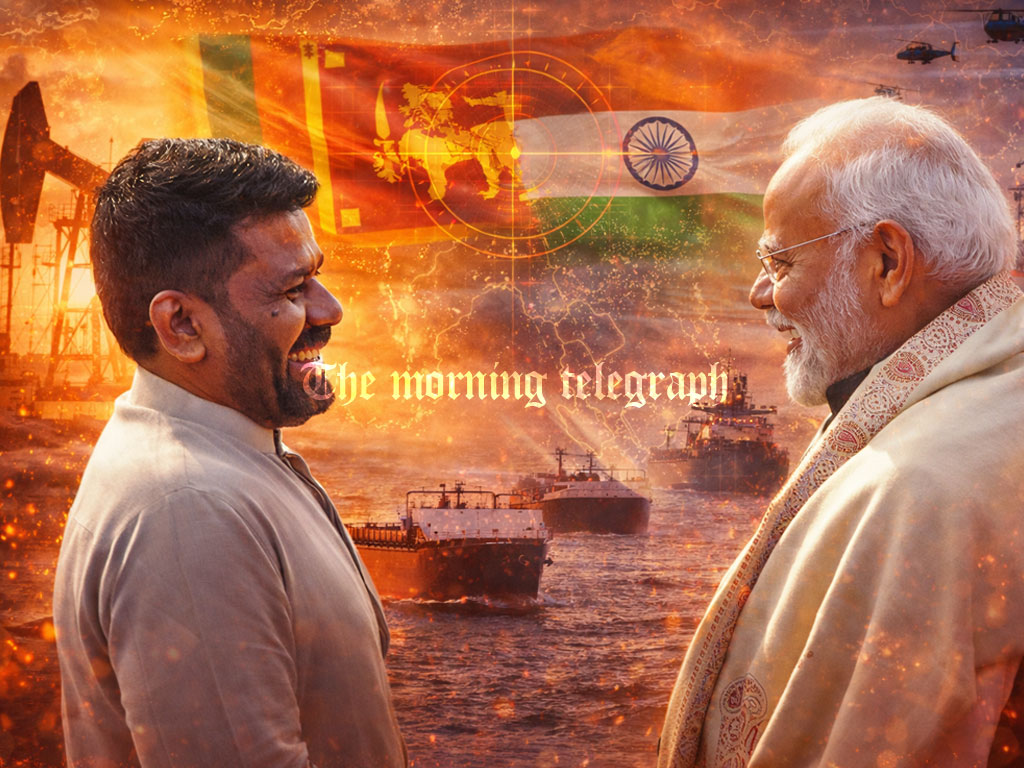
India and Sri Lanka move swiftly to secure energy flows and protect vital sea routes as global tensions threaten economic stability and regional security.
Narendra Modi and Anura Kumara Dissanayake held an important telephone discussion on Monday, placing strong emphasis on the growing global energy crisis and the urgent need to secure key maritime routes as tensions continue to rise across West Asia.
According to an official release from India’s Prime Minister’s Office, the conversation focused on ongoing disruptions affecting global energy supply chains, with both leaders recognizing the serious impact these challenges could have on countries that rely heavily on stable oil and gas imports for economic stability.

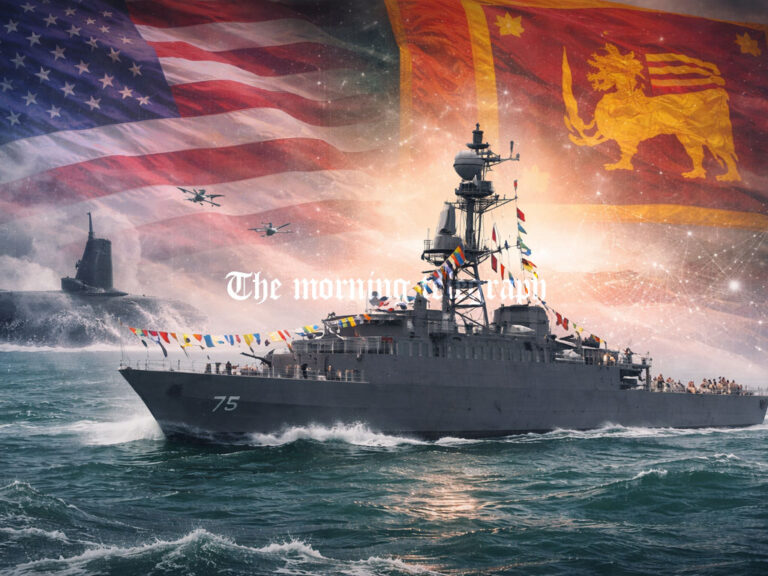
The two leaders highlighted the critical importance of keeping international shipping lanes open and secure, especially across the Indian Ocean, a region that handles a large share of global energy transportation. They acknowledged that any disruption to these routes could trigger widespread consequences for global markets, energy prices, and regional economic balance.
The discussion also covered ongoing efforts to strengthen India Sri Lanka energy cooperation, along with broader initiatives aimed at reinforcing regional security frameworks. These measures are designed to improve resilience, protect supply chains, and ensure uninterrupted access to essential energy resources during times of geopolitical uncertainty.
Modi reaffirmed India’s commitment to working closely with Sri Lanka to address shared regional challenges. He emphasized New Delhi’s Neighbourhood First policy and its MAHASAGAR vision, which focuses on mutual growth, maritime security, and strategic cooperation across the region.
Both leaders agreed to maintain close communication as the situation continues to evolve, signaling a coordinated and proactive approach between India and Sri Lanka in navigating the complexities of global energy security and maritime stability.