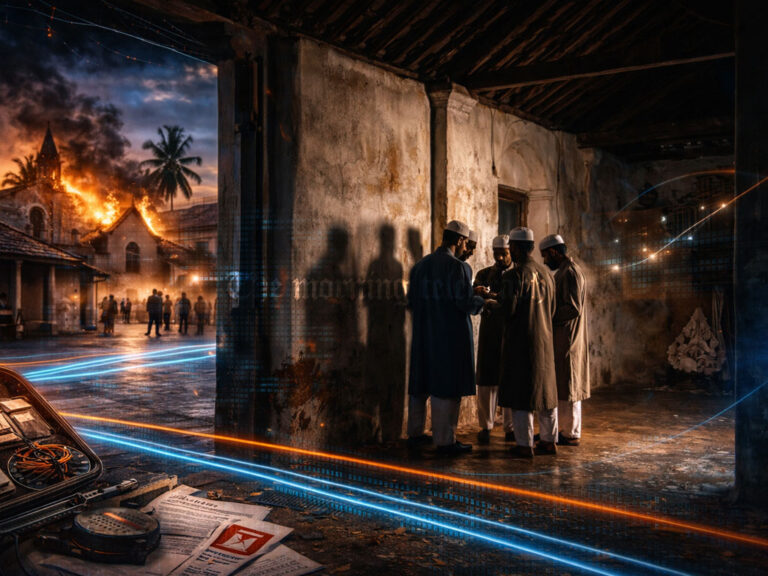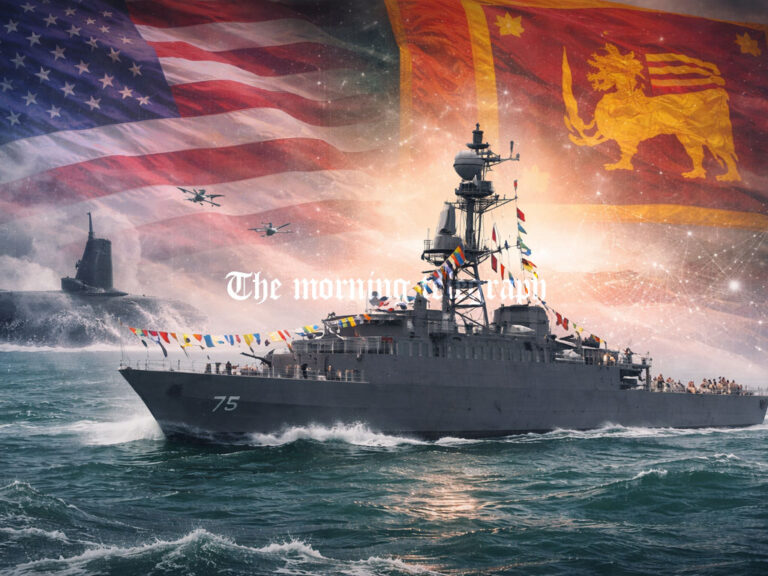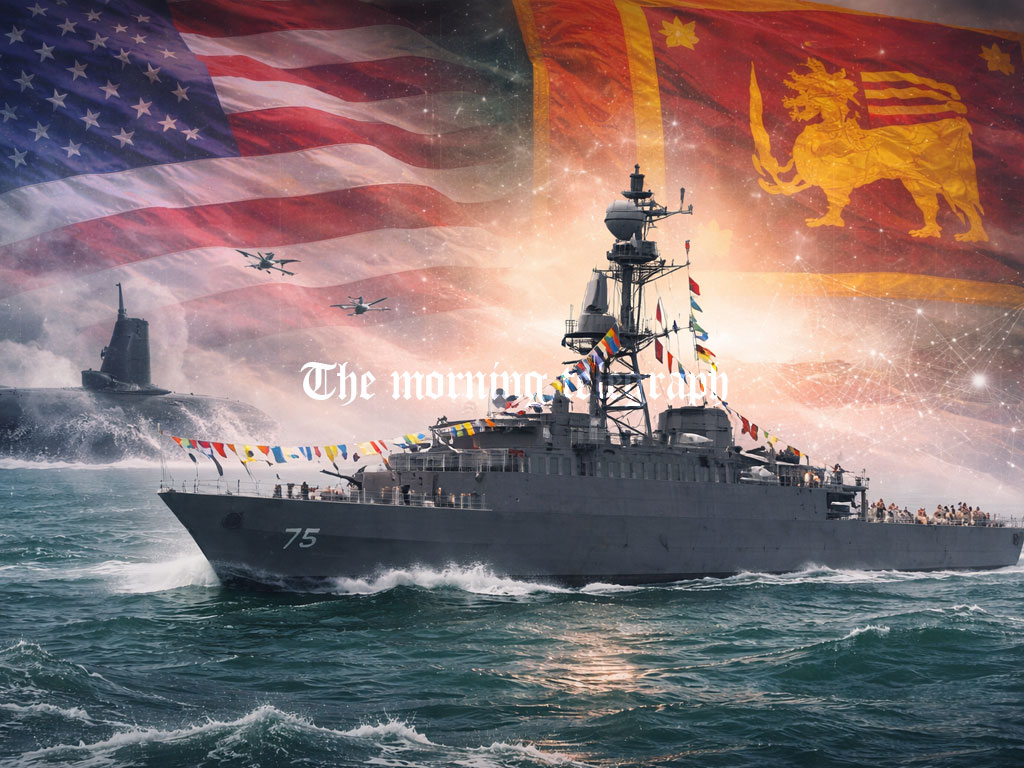
A storm of controversy erupts as allegations of a US submarine strike on an Iranian vessel near Sri Lanka ignite fears over sovereignty, foreign military influence, and government silence.
Sri Lanka is now caught in a growing political storm after serious allegations surfaced claiming that a United States submarine attacked an Iranian naval vessel approaching the island. The incident has triggered intense debate over national sovereignty, foreign influence, and maritime security in the Indian Ocean. Iran’s Ambassador to Sri Lanka, Alireza Delkhosh, stated during a press briefing in Colombo that the vessel “IRIS Dena” had been targeted while on a goodwill visit, following an official invitation extended by the Sri Lankan Navy. The claim has raised urgent questions about how secure Sri Lanka’s waters truly are.

The controversy has quickly spread across the political landscape, drawing sharp reactions from lawmakers. Trincomalee District MP Imran Maharoof strongly condemned the alleged attack, calling it both shocking and deeply concerning. He warned that such an incident exposes vulnerabilities in Sri Lanka’s ability to protect its territorial waters and uphold its independence. The issue has now become a focal point in discussions surrounding national security, defense readiness, and the broader implications of foreign military presence in regional waters.
Maharoof further explained that the Iranian vessel’s visit had been arranged following engagement at the Milan-2026 international naval exercise held in India, where the Sri Lankan Navy had formally extended the invitation. He criticized the government’s response, arguing that permitting an invited naval vessel to come under attack so close to Sri Lanka’s maritime boundaries signals a major diplomatic and strategic failure. According to him, such an event undermines Sri Lanka’s credibility on the global stage and weakens its position in international relations.
Reports suggest that the alleged strike took place roughly 40 to 44 nautical miles south of Galle, placing it within or very close to Sri Lanka’s maritime zone. Maharoof emphasized that any unilateral military action by a foreign power in such proximity represents a direct challenge to Sri Lanka’s sovereignty and territorial integrity. This has intensified concerns over control of maritime routes, national defense capability, and the safety of regional shipping lanes.
Public and political scrutiny has now reached new levels, with increasing calls for accountability and transparency. Critics are questioning why the government has remained largely silent, whether Sri Lankan waters are being drawn into wider geopolitical conflicts, and why no formal diplomatic protest has been lodged against the United States. As tensions continue to rise, the situation threatens to deepen anxieties about Sri Lanka’s foreign policy direction and its capacity to safeguard its sovereignty in an increasingly complex global environment.