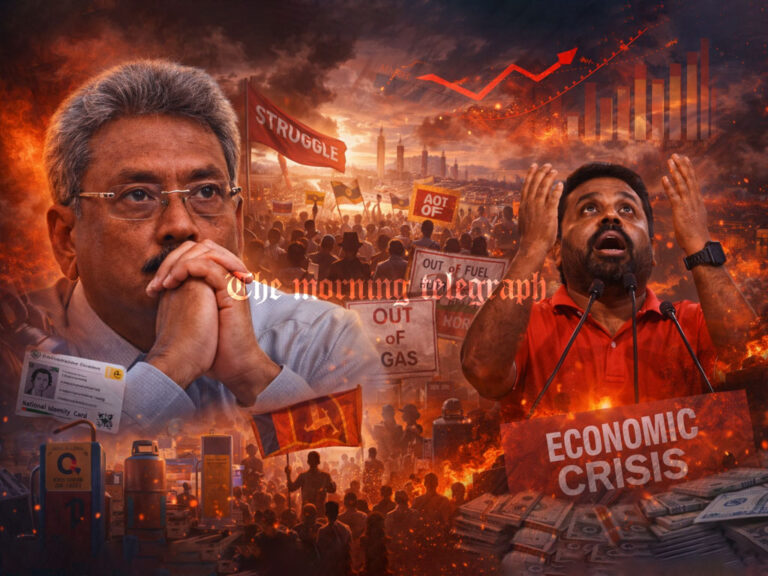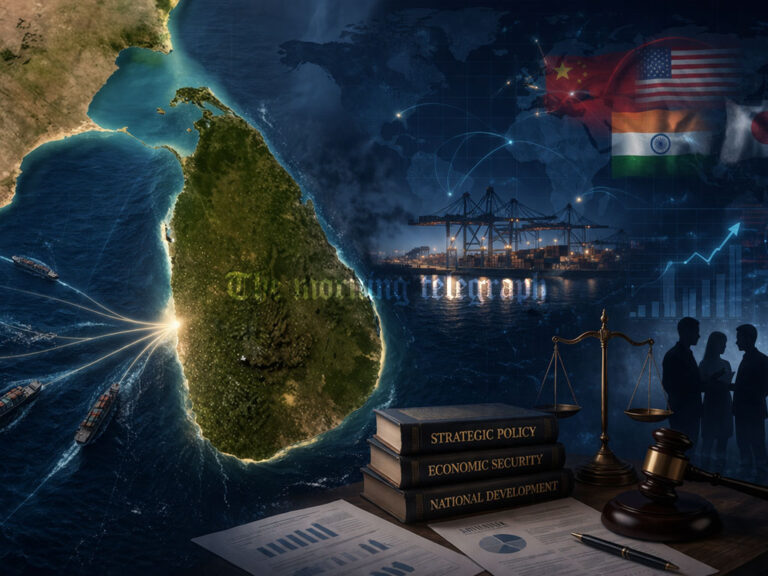
Sri Lanka’s high-stakes Russian fuel deal is teetering under sanctions pressure, regulatory confusion, and diplomatic missteps, exposing deeper cracks in the nation’s energy strategy and global positioning.
Sri Lanka’s push to secure refined fuel from Russia has entered uncertain territory, casting doubt over a deal that once appeared promising during the visit of Russian Deputy Energy Minister Roman Marshavin. Despite high-level engagements with government officials and President Anura Kumara Dissanayake, concerns are growing that unresolved structural issues could prevent any meaningful progress. The situation highlights the complexity of Sri Lanka’s energy security strategy amid global geopolitical tensions.

During meetings in Colombo, Marshavin conveyed Russia’s willingness to supply refined fuel and extend cooperation into areas such as technology and industrial support. Discussions with the Ceylon Petroleum Corporation reflected an urgent attempt to stabilize Sri Lanka’s ongoing fuel challenges. However, analysts caution that political assurances alone cannot overcome the realities of international sanctions and financial restrictions. Existing commitments tied to the International Monetary Fund and the Bank of Ceylon continue to complicate the financial pathways required to operationalize any agreement.
Diplomatic insiders suggest that uncertainty surrounding sanction-compliant trade mechanisms has created hesitation among Russian businesses and stakeholders with interests in Sri Lanka. One diplomatic source noted that key enabling conditions for trade remain unresolved, emphasizing that without clarity on regulatory frameworks and banking channels, the deal is unlikely to materialize. This uncertainty continues to stall progress and raises broader concerns about Sri Lanka’s ability to navigate sanctioned environments effectively.
Complicating matters further, reports of protocol concerns during official engagements have added a layer of diplomatic sensitivity. Minister of Power and Energy Kumara Jayakody, already under scrutiny for alleged financial misconduct, reportedly drew criticism from Russian officials over informal conduct during introductions. Sources described the incident as a breach of diplomatic etiquette, underscoring how even minor missteps can influence high-stakes negotiations and bilateral trust.
The convergence of sanctions, regulatory barriers, and diplomatic tensions underscores the fragile nature of Sri Lanka’s attempt to secure foreign fuel supplies. While Russia remains interested in expanding its influence and supporting Sri Lanka during its energy crisis, experts warn that unresolved legal and structural challenges could delay or derail progress. The situation reflects a broader vulnerability within Sri Lanka’s external economic engagements.
For a country that has endured recurring fuel shortages and economic instability, the proposed Russian deal represents both opportunity and risk. Policymakers must carefully balance International Monetary Fund conditions, global banking restrictions, and domestic political realities. Without addressing these interconnected challenges, the likelihood of Moscow-backed fuel shipments becoming a reality remains slim, leaving Sri Lanka’s energy outlook uncertain.
At a wider level, the situation illustrates how international sanctions shape modern trade dynamics. Cross-border energy agreements are no longer purely commercial decisions but are deeply influenced by geopolitical alignments, regulatory compliance, and financial systems. Sri Lanka’s ability to secure stable fuel supplies will depend not only on its relationship with Russia but also on how effectively it adapts to these external constraints.
As negotiations continue and further discussions are anticipated, attention remains fixed on whether Sri Lanka can align its policy, diplomacy, and regulatory frameworks to move forward. The coming period will be decisive in determining whether the deal can advance within legal and financial boundaries or remain stalled due to external pressures and internal limitations. The outcome will significantly impact the country’s broader energy security strategy.