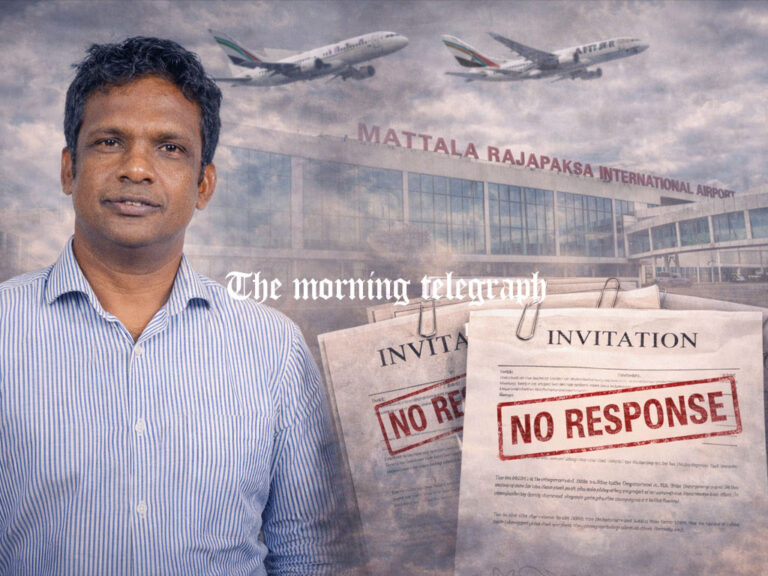
Despite free landing, refueling incentives and urgent outreach, Sri Lanka’s Chinese-built Mattala Airport continues to be ignored by major Gulf carriers, deepening financial losses and exposing long-standing strategic flaws.
Sri Lanka’s ambitious attempt to revive the struggling Mattala Rajapaksa International Airport has hit another setback, as leading Gulf airlines have shown no interest in operating from the facility, according to Deputy Civil Aviation Minister Janitha Ruwan Kodithuwakku.

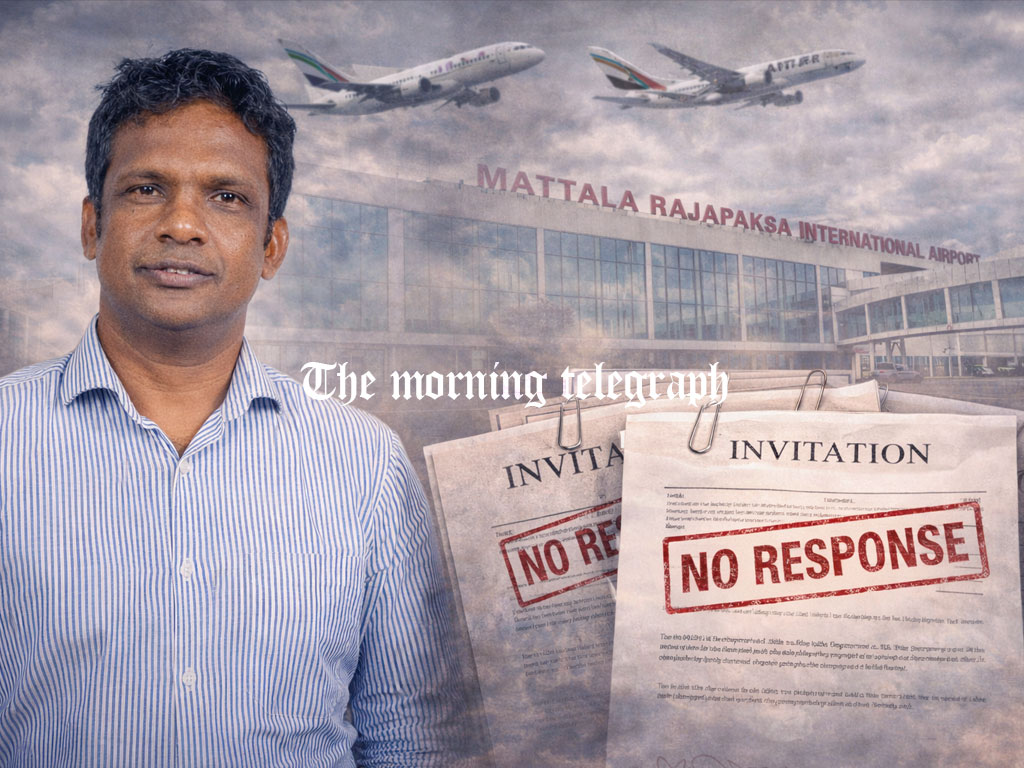
The government, through the Civil Aviation Authority, has formally invited multiple international carriers, particularly major Gulf airlines, to utilize the airport for operations, refuelling, and transit. However, despite these efforts and incentives, there has been no positive response.
“We have informed them to use the airport, but so far, no one has expressed any willingness,” the Deputy Minister stated, highlighting the ongoing challenge of attracting global airline operators to Mattala.
Authorities even went a step further by offering attractive concessions, including free landing and parking services, in an effort to position the airport as a viable alternative hub. Yet, airlines have only acknowledged the offer without committing to any operational plans.
Industry observers point out that the lack of interest is largely due to infrastructure and capacity limitations. Mattala Airport, with an annual passenger handling capacity of around one million, is not equipped to support the scale of operations required by major international carriers.
“These are large airlines with complex logistics. It is not practical for them to shift operations to a location like Mattala,” Kodithuwakku explained, reinforcing concerns about the airport’s long-term viability.
Widely referred to as “the world’s emptiest international airport,” Mattala Rajapaksa International Airport has become a symbol of underutilized infrastructure and economic miscalculation. Built at a cost of 209 million US dollars, largely funded through high-interest Chinese loans, the airport has failed to generate expected returns.
Over the past six years, the facility has accumulated net losses exceeding Rs. 39 billion, with operational expenses consistently surpassing revenue. Financial reports indicate that expenditure has outpaced income by nearly fifteen times, raising serious concerns about sustainability.
Adding to the burden is an annual interest cost of Rs. 2.05 billion tied to foreign debt obligations, further straining Sri Lanka’s already fragile economic position.
The airport’s remote location in Hambantota, far from Colombo’s commercial and aviation hub, has been identified as a key factor behind its poor performance. Limited connectivity, lack of scheduled international flights, and weak passenger demand continue to hinder growth.
Efforts to turn around the airport through public private partnerships have also faced setbacks. A proposed 30 year management deal involving an India Russia joint venture was scrapped due to legal complications and concerns related to international sanctions.
As Sri Lanka continues to grapple with rising debt, economic recovery, and infrastructure inefficiencies, the Mattala Airport dilemma stands as a stark reminder of the risks associated with poorly aligned development strategies.