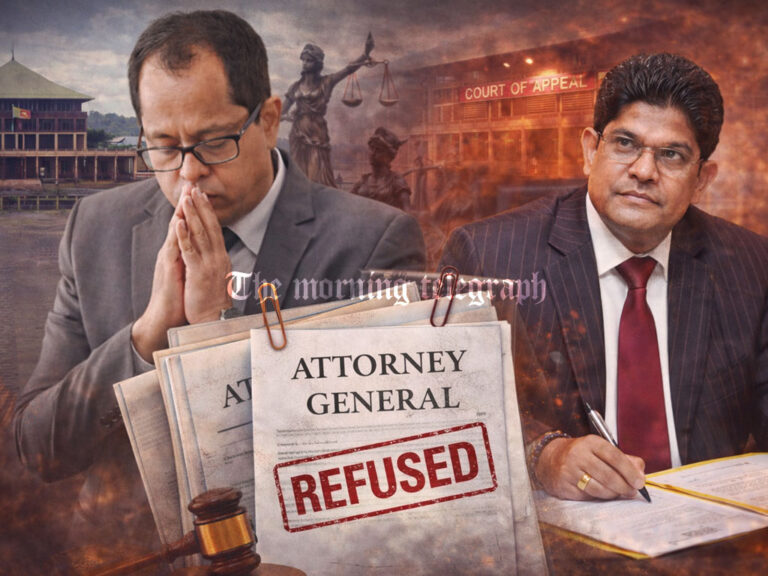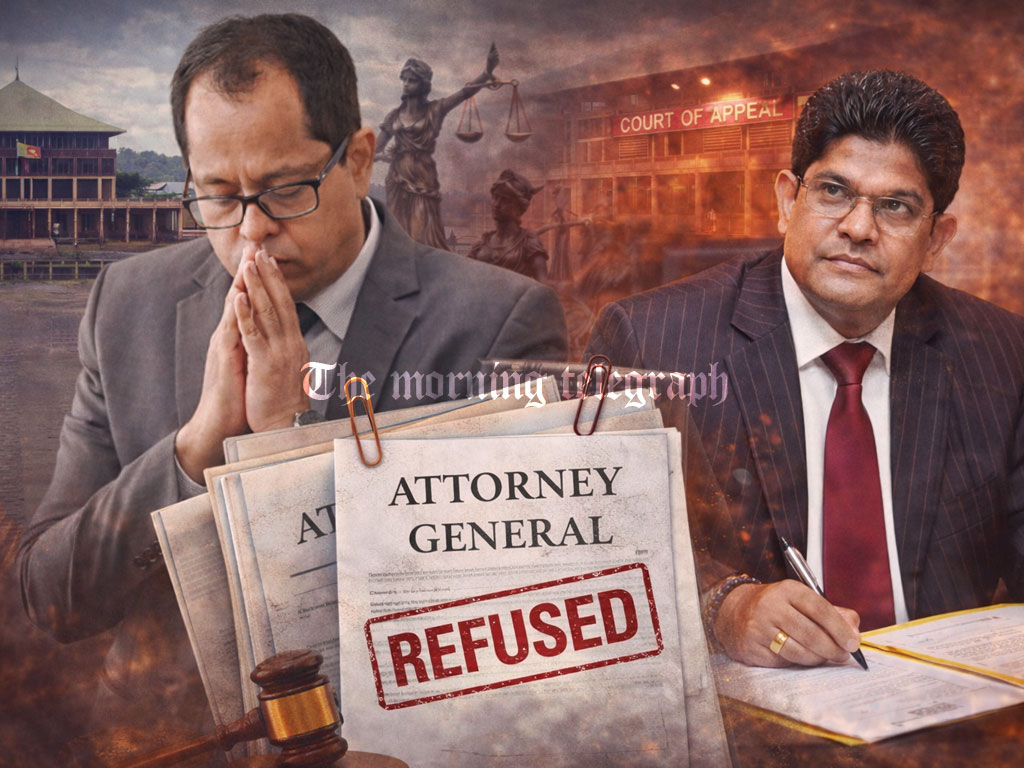
In an unprecedented move, the Attorney General’s Department declined to represent Speaker Jagath Wickramaratne in court over the suspension of Parliament’s Deputy Secretary, exposing a deep rift between the Speaker and the government while raising serious questions about abuse of power and political interference.
The Speaker of Parliament, Dr. Jagath Wickramaratne, faced an unprecedented legal and political crisis today when the Attorney General’s Department officially refused to represent him in a case before the Court of Appeal. The case relates to the controversial suspension of Parliament’s Deputy Secretary, Attorney Chaminda Kularatne.

This marks the first time in Sri Lanka’s parliamentary history that the Attorney General has declined to represent a sitting Speaker, signaling a significant rift and what many describe as a turning point in the nation’s legal history. The decision highlights a clash between power, law, tradition, and personal agendas.
The Attorney General’s refusal is seen as a powerful statement on the supremacy of law. Normally, the Attorney General provides legal representation for state officials. His decision to step aside suggests a clear view that the Speaker’s actions may not have been legally sound. Reports indicate that the Speaker rejected a reasonable settlement proposed by the Attorney General, further influencing this decision.
The case involves the suspension of Deputy Secretary Chaminda Kularatne, a highly respected and disciplined officer known for his integrity and professionalism. The suspension has been widely criticized as arbitrary and unlawful, lacking any proper inquiry or adherence to principles of natural justice.
Today’s proceedings before Court of Appeal President Justice Rohantha Abeysuriya and Justice K.P. Fernando saw numerous senior counsel and lawyers appearing for various respondents, including representatives from opposition leader Sajith Premadasa’s office. The court ordered that any objections be filed by April 20, with counter objections due by May 26.
Beyond the legal dimension, the crisis has exposed a troubling dynamic within Parliament. Allegations have surfaced that the Speaker’s personal secretary, Chameera Gallage, is exerting undue influence over parliamentary administration, effectively acting as a shadow authority. Staff members have reportedly nicknamed him “Gal Thikka,” reflecting deep resentment. There are even claims that the Speaker has become a mere administrative puppet.
The parliamentary staff is reportedly in open rebellion, with senior officers expressing profound frustration over the erosion of institutional traditions. Many believe this is not a proper inquiry but a personal vendetta disguised as official action.
The case has drawn attention to the broader political context. President Anura Kumara Dissanayake, who has campaigned on a platform of rule of law and good governance, now faces the challenge of a Speaker whose actions contradict those principles. There is growing public pressure for the Speaker to be removed to restore trust in democratic institutions.
For Chaminda Kularatne, the case has become a symbol of resistance against arbitrary power. His fight is seen not as a personal victory but as a victory for the independence of the public service and the dignity of state institutions.
The events of today represent a rare moment where power stood exposed before the law. The Attorney General’s refusal to lend legal cover to the Speaker is a powerful reminder that no office, however high, is above legal accountability.