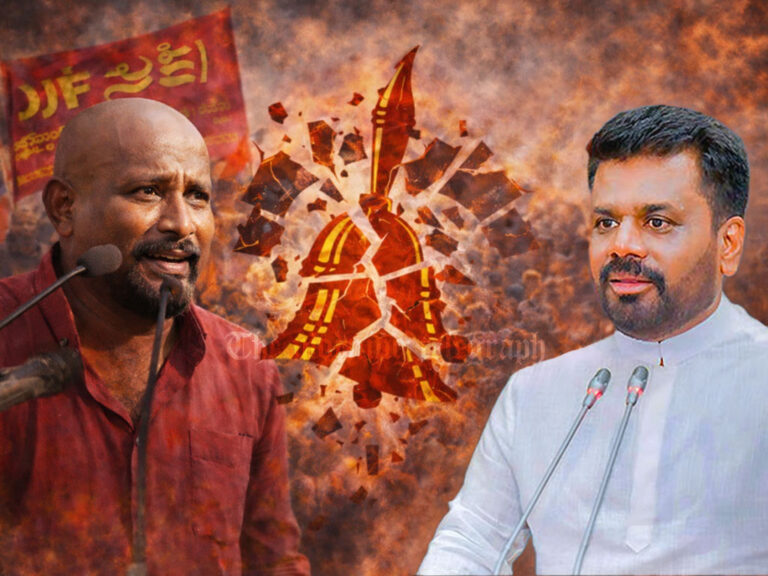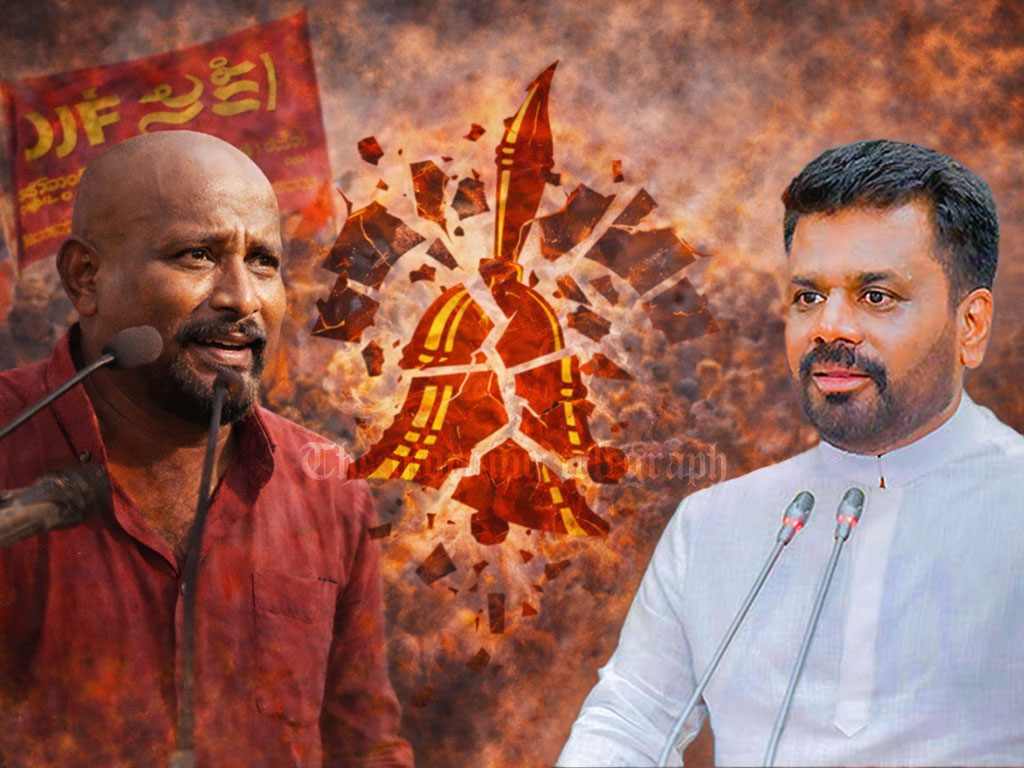
A deep dive into the power struggles, alliances, and internal betrayals that defined the JVP’s journey from rebellion to political relevance and back into crisis under the influence of key figures named Kumara.
“The enemy of my enemy is my friend…”
J.R. Jayewardene’s decision to release Rohana Wijeweera from prison after drawing inspiration from Machiavelli’s The Prince marked a turning point in Sri Lanka’s political trajectory. Had Wijeweera remained imprisoned, the youth uprising against him may never have occurred. At a time when J.R. faced mounting pressure during the JVP rebellion, Opposition Leader Sirimavo Bandaranaike also turned to Machiavellian strategy and played a role in reviving the JVP, which had been nearly crushed during Premadasa’s rule.
This revival was driven by the belief that aligning against a common enemy could yield political advantage.
J.R.’s release of Wijeweera partly appeased Bandaranaike, who then helped bring the JVP back into mainstream politics. However, key figures within the Sri Lanka Freedom Party, including Chandrika Bandaranaike Kumaratunga and Mahinda Rajapaksa, sought to prevent the JVP from gaining independent political strength while still leveraging it against the UNP. This strategy shifted when President D.B. Wijetunga allowed the JVP to contest the 1994 general election.

With the JVP entering parliamentary politics, three prominent leaders rose to prominence, including Kumar Gunaratnam, a central figure in the party’s militant phase. As the brother of Ranitham Gunaratnam, he was deeply involved in the 1989 uprising, a period marked by widespread violence and demands for the withdrawal of the Indian Peacekeeping Force. His involvement in militant operations, including attacks in the North-East, cemented his reputation as a key armed leader.
Gunaratnam’s influence grew further following the assassination of Rohana Wijeweera. Known for his hardline stance, he was associated with campaigns such as driving out the Indian Army and opposing the Indo Lanka Accord, reinforcing his position within the JVP politburo.
In 2012, internal divisions surfaced when Gunaratnam clashed with then leader Somawansa Amarasinghe over alliances involving Somawansa and Anura Kumara. This led to a major split, with Gunaratnam and his faction forming the Frontline Socialist Party. Even Somawansa later fell out with other leaders, including Anura Kumara and Vijitha Herath, exposing deeper fractures within the party.
Another key figure in these internal conflicts was Anura Kumara Dissanayake. Though not part of the original uprisings, he rose through the ranks due to his organizational skills and political positioning. His elevation to Minister of Agriculture in 2004 under the SLFP JVP alliance marked his entry into national governance.
Tensions escalated during the 2004 coalition government when Anura demanded control of the Mahaweli portfolio in addition to agriculture. Strong resistance from SLFP Secretary Maithripala Sirisena led to a compromise, with Mahaweli remaining under Chandrika’s administration while the JVP accepted a reduced role.
Anura later initiated a project to build 10,000 tanks, but the plan became controversial when cabinet documents were leaked to the media during Mahinda Rajapaksa’s tenure, raising allegations of corruption. This controversy contributed to the breakdown of the SLFP JVP alliance, despite public claims that disagreements over the tsunami relief mechanism were the primary cause.
Following this period, Anura Kumara consolidated his influence within the JVP. Internal clashes continued, particularly with Kumar Gunaratnam and later with Somawansa Amarasinghe, eventually leading to Anura assuming full leadership. These power struggles weakened the party, culminating in poor electoral performance, including its inability to field a strong candidate in the 2015 presidential election.
During that election, the JVP indirectly supported Maithripala Sirisena, with influence reportedly coming from figures such as Mangala Samaraweera and Ranil Wickremesinghe. Although Sirisena won, the JVP’s political standing continued to decline, securing only three seats in the 2020 general election, while Anura himself managed just around three percent in the 2019 presidential race.
Under Gotabaya Rajapaksa’s administration, both Anura and the JVP faced significant challenges. Meanwhile, Gunaratnam’s Frontline Socialist Party remained active in protest movements, including the Gota Go Home campaign, highlighting the continued fragmentation of the leftist political space.
Anura Kumara later emerged as a leading voice during the protest movement, which ultimately propelled him into the presidency. However, his leadership has not been free of controversy.
A close associate, Punyasiri Kumar Jayakody, gained prominence during this period. Having joined the JVP in 2004, Jayakody was appointed to key roles, including positions in the Fertilizer Company and later procurement roles during the Sirisena Wickremesinghe administration. Allegations of corruption began to surface during this time.
Despite these accusations, Anura elevated Jayakody further, appointing him to Parliament via the national list and later as Minister of Energy. Recent developments have seen the Bribery Commission file charges against him, sparking calls from within the JVP for his resignation until the case is resolved. However, Anura has defended him, stating that the allegations lack substance.
This has led to renewed criticism from the opposition, questioning whether the JVP is repeating past mistakes by centralizing power among a close circle of loyalists.
The collapse of the Chandrika JVP alliance once again echoes in current politics. Kumar Gunaratnam, once instrumental in shaping the party, ultimately broke away due to internal disputes. Today, Anura Kumara faces a similar crisis, with political challenges linked to his trusted associate Jayakody.
Is history repeating itself within the JVP?
Is the party once again being shaped and shaken by the influence of the Kumaras?
SOURCE :- SRI LANKAN GUARDIAN