As the Iran conflict disrupts global fuel routes, India steps in as a critical energy lifeline for its neighbours, reshaping regional power dynamics and exposing deep dependence on Middle East supply chains.
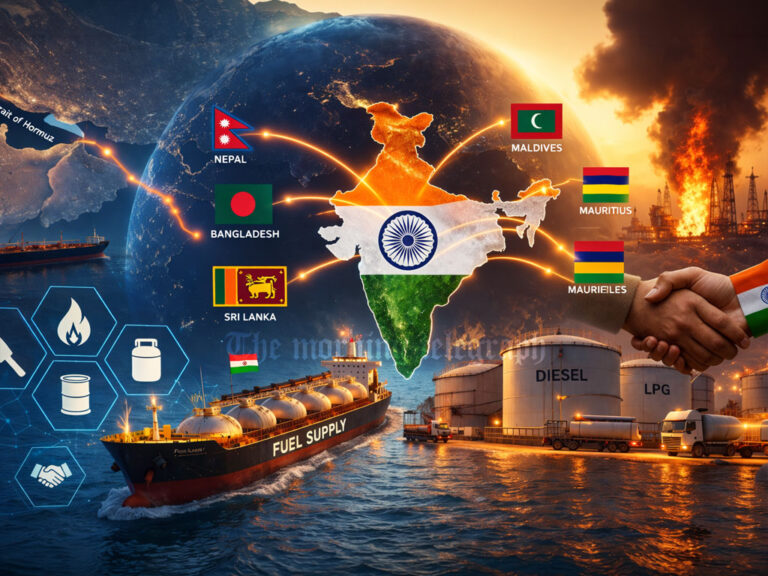
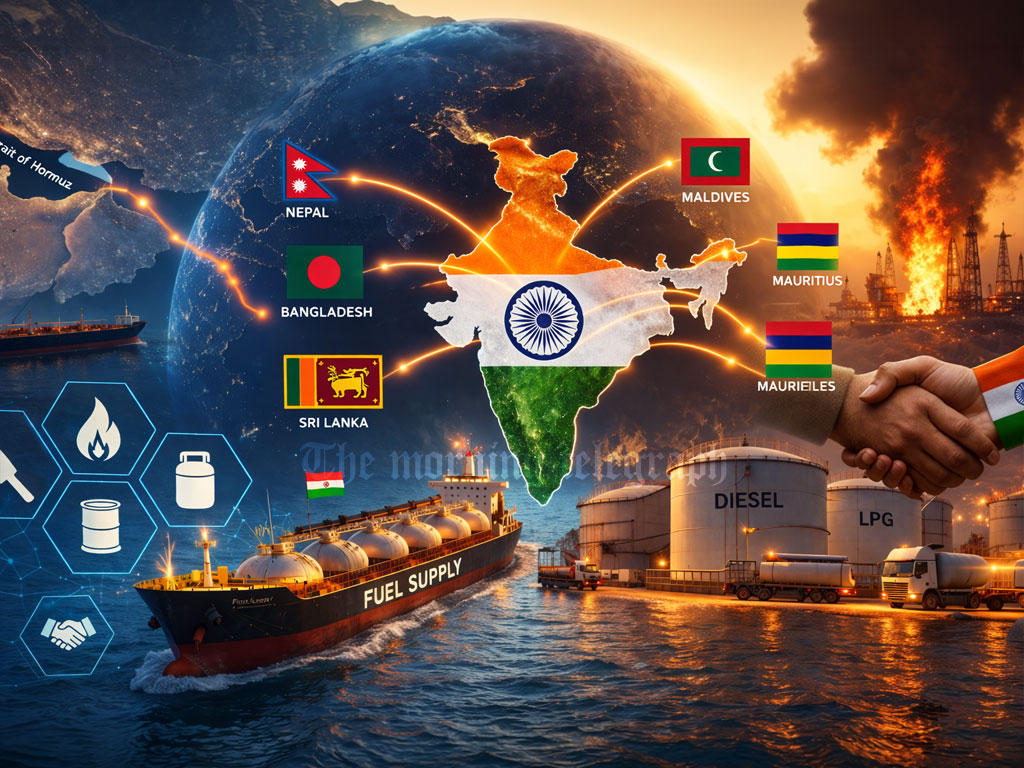
As the Iran conflict continues to disrupt global energy flows and restrict movement through the Strait of Hormuz, a new regional energy dynamic is rapidly taking shape with India at its core. Several neighbouring countries facing fuel shortages and supply uncertainty are increasingly turning to New Delhi for support. From emergency fuel shipments to urgent diesel and LPG requests, India is now viewed as a crucial backup during this crisis. This evolving situation highlights South Asia’s heavy dependence on Hormuz-linked energy routes while reinforcing India’s growing role as a reliable regional partner in maintaining economic and energy stability.

India responds as energy requests increase
India has confirmed that multiple neighbouring nations have reached out seeking fuel assistance as the crisis deepens.
“We have received requests from some neighbouring countries for energy exports, including diesel from Bangladesh. Domestic availability and production will be factored in before any decision is taken,” said MEA spokesperson Randhir Jaiswal.
He also addressed the human impact of the conflict, stating, “Around 10 million Indians live in GCC countries. All of them are safe, and we remain in constant communication with them. It is unfortunate that eight Indians have been killed so far, and one remains missing.”
Nepal raises LPG supply concerns
According to The Times of India, Nepal has requested an increase in liquefied petroleum gas supplies from India. The country currently receives about 48,000 tons per month from Indian Oil and has asked for an additional 3,000 tons.
However, Nepal Oil Corporation spokesperson Manoj Kumar Thakur confirmed that only existing contracted deliveries will be honored for now. Authorities have already introduced rationing measures, limiting refills to half cylinders to stretch available supplies amid growing shortages.
Sri Lanka receives emergency fuel support
According to The Economic Times, India supplied 38,000 metric tons of fuel to Sri Lanka in March, including 20,000 metric tons of diesel and 18,000 metric tons of petrol. This shipment followed high-level discussions between Prime Minister Narendra Modi and President Anura Kumara Dissanayake.
Dissanayake stated, “Spoke with PM Modi about fuel supply disruptions Sri Lanka is facing due to the Middle East crisis. Grateful for India’s swift support. 38,000 MT of fuel arrived in Colombo yesterday. My thanks also to EAM Jaishankar for close coordination.”
Sri Lanka has since implemented strict fuel conservation measures, including temporary school closures and restrictions on public transport services to manage the ongoing shortage.
Bangladesh seeks increased diesel imports
Bangladesh has also stepped up requests for diesel imports from India, which already supplies around 180,000 tons annually.
In late March, India delivered at least 7,000 tons of diesel via pipeline, following earlier shipments of 15,000 tons and 5,000 tons. Bangladesh, heavily reliant on West Asian fuel imports, has introduced rationing measures, including limits on fuel purchases to control consumption.
Maldives explores supply arrangements
According to NDTV, the Maldives has approached India for both short-term and long-term petroleum supply agreements as uncertainty in global markets continues.
“The government of Maldives has also reached out to us for petroleum supply both on a short-term and long-term basis. The request is being examined considering our domestic needs,” Jaiswal confirmed.
Mauritius and Seychelles in discussions
India is also engaged in ongoing discussions with Mauritius and Seychelles regarding the changing energy landscape, although no formal supply requests have been submitted so far.
Experts highlight strategic implications
Experts believe India’s response could significantly boost its geopolitical influence across the region. Ashok Malik of The Asia Group told Bloomberg, “This will generate goodwill for India as many countries are struggling. While India’s energy ties with neighbours are strong, it may not be able to fully resolve all supply challenges.”
India faces its own energy challenges
At the same time, India is navigating its own energy constraints. The country is in talks with Iran and other stakeholders to ensure safe passage for fuel tankers stranded in the Strait of Hormuz. Officials report that six LPG carriers have been moved, while 18 India-flagged vessels remain stuck, highlighting the ongoing risks.