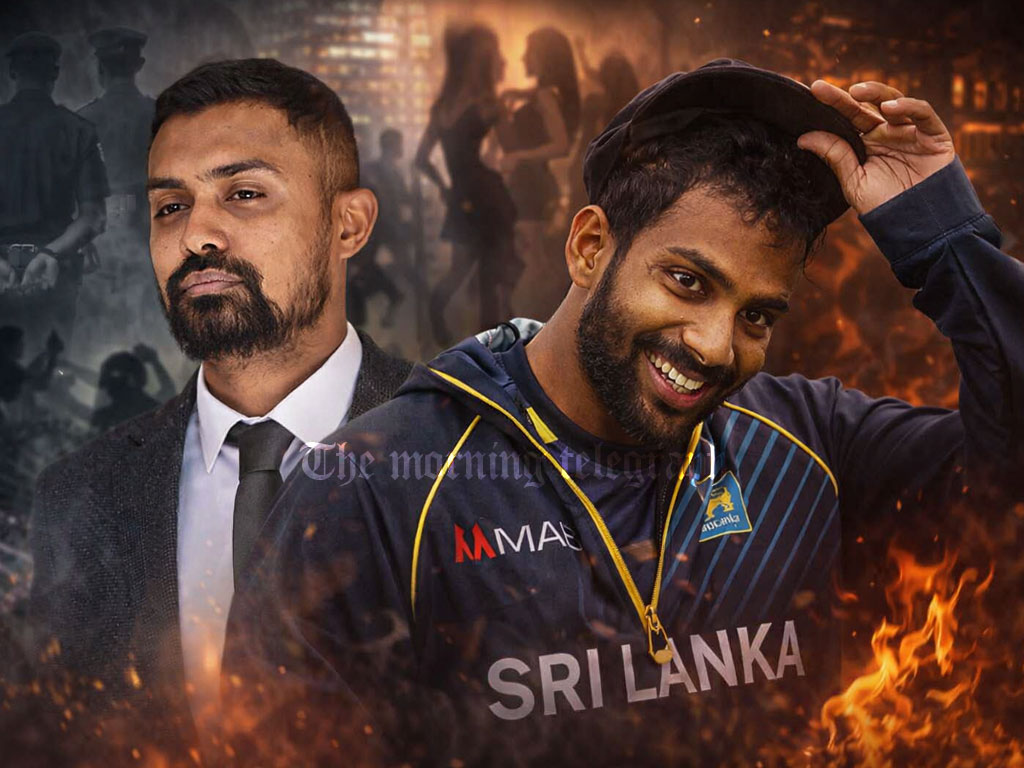
Sri Lankan cricket is facing more than a performance slump. Repeated controversy, poor judgment, and damaging off-field allegations have created a crisis of discipline, public trust, and professional accountability that the game can no longer ignore.
This is no longer a matter that can be brushed aside as gossip, social media noise, or a few unfortunate headlines. The damage is too deep, too frequent, and too visible. What has emerged around Sri Lankan cricket is not simply a run of bad publicity, but a troubling pattern of weak discipline, poor decision-making, and repeated off-field controversy. Many fans now feel that the issue goes far beyond form, fitness, or team balance. They see a deeper failure in values, restraint, and responsibility. The latest controversies linked to players such as Chamika Karunaratne and Danushka Gunathilaka, along with persistent whispers around others, have reinforced a public impression that too many Sri Lankan cricketers are losing control of their careers and, in the process, dragging the image of the national game into disrepute.

The harshest criticism heard among the public is painfully simple: the only thing these cricketers can no longer play properly is cricket itself. It is the sort of line repeated in frustration, but it reflects something real in the national mood. People do not understand what is going on in the minds of these players. Their conduct often appears reckless, immature, and disconnected from the responsibilities that come with wearing the national jersey. Many believe some of them need to be removed from the spotlight, given time away from the game, and placed in structured rehabilitation, reflection, and counseling programs. There is a growing feeling that unless they are taught boundaries, self-respect, and emotional control, they will continue to embarrass themselves and the country.
Yes, professional cricketers all over the world party, date, travel freely, and live under intense public attention. That alone is not the problem. The problem in Sri Lanka is the repeated collapse of discipline. In stronger cricket cultures, players may enjoy fame, but they still understand the limits imposed by professionalism, media scrutiny, and personal accountability. In Sri Lanka, critics argue, some players seem far too easily distracted by nightlife, social media attention, and impulsive desire. Their careers appear vulnerable to the slightest temptation. Instead of building reputations through performance, they end up surrounded by allegations, rumors, police matters, court appearances, and reputational damage. When names such as Bhanuka Rajapaksa surface in rumor cycles and controversy narratives, rightly or wrongly, the public sees not isolated episodes but evidence of a wider cultural decay inside the system.
Women, especially actresses and young public figures, are too often discussed as if they are merely part of the spectacle, when in reality they may be among those most affected by this toxic culture. They enter professional spaces expecting safety and respect, yet too often become subjects of gossip, harassment allegations, intrusive behavior, or public judgment they did not invite. That is why the present crisis in Sri Lankan cricket cannot be framed only as a sporting issue. It is also about gender respect, personal conduct, and the abuse of celebrity power. The controversy surrounding Chamika Karunaratne, including the paternity-related court dispute and his refusal to undergo DNA testing at the time of reporting, has added to public concern. Whether every allegation is ultimately proven or not, the larger pattern has already damaged trust. When a national player is repeatedly linked to questions of responsibility and restraint, faith in the institution begins to erode.
Danushka Gunathilaka stands as another deeply troubling example of talent overshadowed by controversy. He once appeared to have the potential to serve Sri Lanka with distinction, yet his name became tied to scandal, international legal trouble, and intense public embarrassment. His case became bigger than one man because it symbolized something many Sri Lankans fear about the current cricketing culture. Talent on its own is not enough. Natural ability, batting skill, and athletic promise mean very little when mental discipline, moral clarity, and emotional maturity are missing. Gunathilaka’s fall in the public eye became a warning that a cricketer can possess all the gifts needed for success and still destroy his future through poor choices. It also intensified suspicion that enablers, silence, and weak internal accountability may have allowed destructive habits to continue unchecked for too long.
The nightlife dimension of this issue cannot be ignored. Clubs, alcohol, performative glamour, sleepless routines, reckless socializing, and the normalization of excess all appear regularly in the stories surrounding modern sports celebrity culture. But in Sri Lanka’s case, critics believe the line between freedom and self-destruction has been crossed too often. These are not just men unwinding after competition. These are public figures whose names keep reappearing in stories about erratic behavior, lost focus, public shame, and, at times, serious accusations. When cars, parties, rumors, court matters, and public scandal begin to define players more than scores and performances, the sport itself suffers. If some players cannot live within the professional discipline demanded by international cricket, then the system must stop shielding them from consequences.
At the same time, the women caught within this culture deserve greater protection and far more dignity than they often receive in public conversation. As actor Kumara Thirimadura has argued in broader cultural commentary, women should never be pressured to become objects for male fantasy, status, or industry convenience. Whether they are actresses, models, media personalities, or private citizens, they are entitled to safety, privacy, and respect. The danger is not only in individual misconduct but in a wider social attitude that excuses men while scrutinizing women. Sri Lankan cricket must understand that when male players abuse privilege, intimidate others, or behave irresponsibly, the fallout reaches far beyond the dressing room. It affects women’s safety, public culture, and the moral credibility of the sport itself.
That is why comparisons with more disciplined public figures abroad are so striking. International stars like Virat Kohli and Anushka Sharma live under enormous media attention, yet they have managed to present a relationship built on dignity, mutual respect, and controlled privacy. Their personal lives are not perfect because no public life is, but they project seriousness, maturity, and balance. That is what many Sri Lankan fans feel is missing at home. Too many local cricketers appear unable to navigate adult relationships, fame, attention, or temptation without spiraling into self-inflicted trouble. Where discipline and emotional intelligence are absent, scandal quickly takes over. What should have been careers of national pride are instead becoming case studies in squandered opportunity.
This is why the crisis is no longer just about dropped catches, poor shot selection, or inconsistent bowling. It is about a broader human failure. The public gaze has changed. Admiration has given way, in many cases, to doubt, embarrassment, and anger. These players were once seen as ambassadors of the nation. Now, some are seen as symbols of waste, arrogance, and unresolved personal dysfunction. Human beings naturally have desire, emotion, and weakness. That is not the scandal. The scandal is what happens when public figures are never taught to manage those impulses responsibly. When desire turns into exploitation, when fame turns into entitlement, and when a player humiliates both himself and the shirt he wears, the problem becomes moral as well as professional.
For that reason, sex education, psychological treatment, mentoring, and disciplined reflection should not be dismissed as extreme or unnecessary responses. They should be seen as essential interventions. Parents, schools, cricket academies, and administrators all share part of the blame when talented young men are developed athletically but neglected emotionally and ethically. A national cricket structure that rewards performance while ignoring character is inviting disaster. These players need structured guidance on consent, respect for women, emotional regulation, digital conduct, public responsibility, and mental health. They need consequences when they cross lines, but they also need rehabilitation pathways that help them rebuild as adults rather than simply hide their failures until the next scandal erupts.
The cases involving Gunathilaka, Karunaratne, and other controversial names are not being read by the public as random misfortunes. They are being interpreted as symptoms of a failed system. There is no credible excuse for grown men in their late twenties and thirties to behave with the impulsiveness of undisciplined adolescents while representing the country at the highest level. Public money, fan loyalty, institutional trust, and national pride are all invested in these athletes. When they repeatedly turn cricket into a theater of embarrassment, the outrage is understandable. Sri Lankan cricket cannot keep pretending these are isolated incidents when the pattern is so visible.
Cricket remains one of the most loved institutions in Sri Lanka, and that is precisely why these failures feel so painful. The public still wants to believe in the sport. It still wants heroes, role models, and reasons to celebrate. But talent without character is a dangerous foundation for national representation. Until the system imposes serious discipline, serious education, and serious psychological reform, fans will continue to see Sri Lankan cricket as a breeding ground for scandal rather than excellence. The responsibility belongs not only to the players but also to the parents, coaches, selectors, administrators, and mentors who failed to guide them properly. Let them rediscover who they are, learn restraint, ethics, and empathy, and prove they deserve the bat before they carry the burden of the national jersey again.