A high-stakes diplomatic showdown ends in failure as US-Iran negotiations break down, deepening global tensions and uncertainty over nuclear policy and energy security.
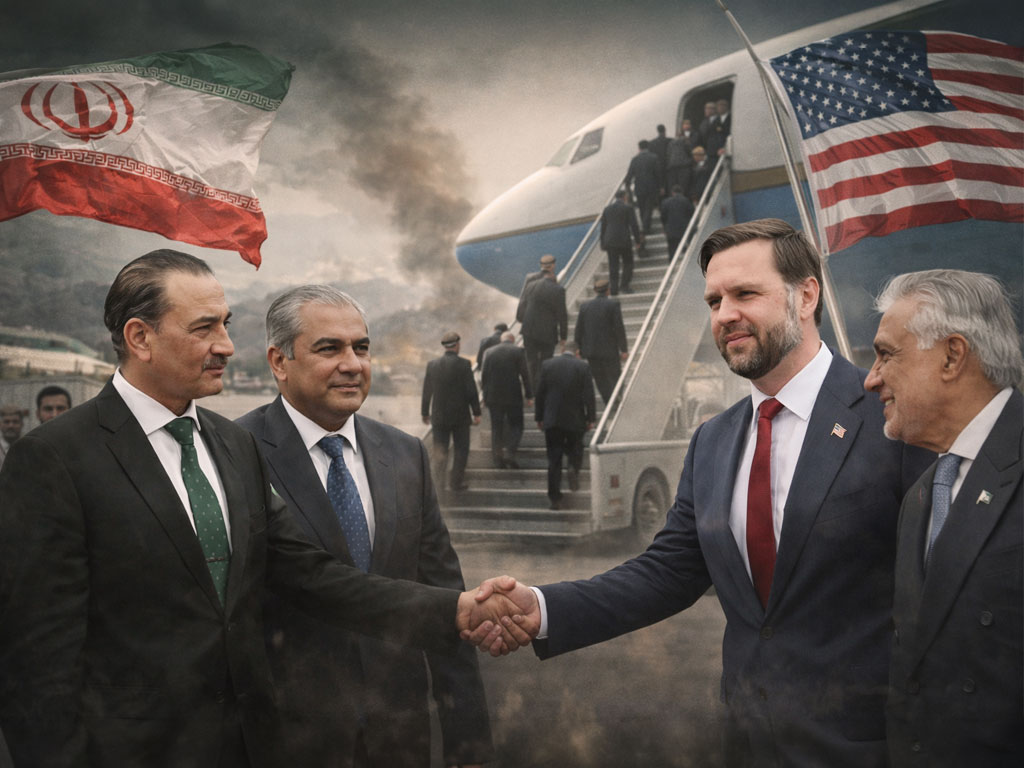
A major diplomatic effort between the United States and Iran has ended without success, marking a significant setback in efforts to stabilise rising geopolitical tensions. US Vice President J.D. Vance confirmed on Sunday that the intense 21-hour negotiations concluded without an agreement, with the American delegation preparing to leave Pakistan.

According to Vance, the breakdown in talks was largely due to Iran’s refusal to accept key US conditions, particularly those related to halting nuclear weapons development. Speaking to the media in Islamabad, he stated that the failure to reach common ground would likely have more serious consequences for Iran than for the United States. He emphasised that Washington had clearly communicated its non-negotiable positions and would now return home following the unsuccessful discussions.
The Vice President also revealed that he remained in constant communication with President Donald Trump throughout the negotiations, holding more than six phone conversations during the process. This highlights the level of urgency and importance attached to the talks at the highest level of US leadership.
These discussions were historically significant, as they represented the first direct engagement between the United States and Iran in over a decade. They were also considered the most high-level diplomatic interaction between the two nations since the 1979 Islamic Revolution, raising expectations for a potential breakthrough.
The outcome carried major global implications. Observers believed the talks would influence the fragile two-week temporary ceasefire and play a key role in determining the reopening of the Strait of Hormuz. This vital shipping route handles nearly 20 percent of the world’s energy supply, and its disruption due to ongoing conflict has already pushed global oil prices higher.
Despite the collapse, Iran signalled a willingness to continue dialogue. In a message shared on X, Iranian authorities stated that while the current round of talks had ended, technical teams from both sides would proceed with exchanging documents. However, no timeline was given for the next round of negotiations, leaving uncertainty over future diplomatic engagement.
Reports from Pakistani media indicated that the final phase of discussions included Vice President Vance, Special Representative Steve Witkoff, and Jared Kushner meeting with Iranian Parliament Speaker Mohammad Baqer Qalibaf and Foreign Minister Abbas Araqchi for approximately two hours before the talks concluded.
The atmosphere surrounding the negotiations was further intensified by symbolic gestures from the Iranian delegation. Arriving dressed in black to mourn victims of the conflict, they also brought personal items such as shoes and bags belonging to students reportedly killed in a recent airstrike near a military installation. The Pentagon has stated that it is investigating the incident, with early assessments suggesting possible US involvement, according to Reuters.