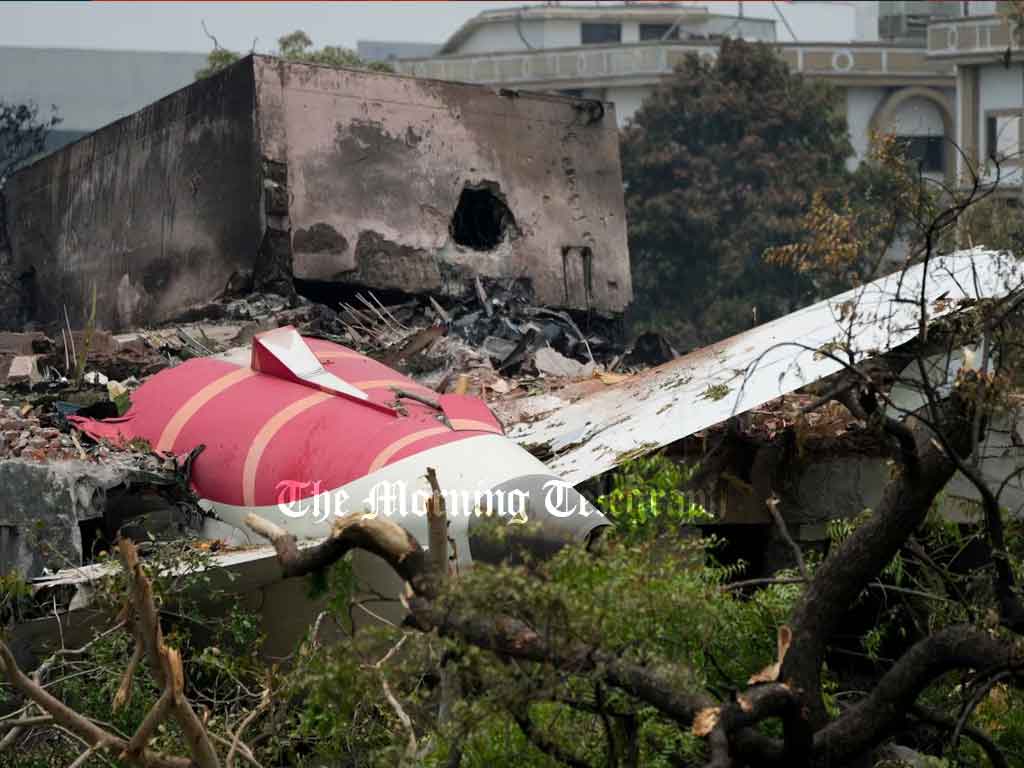
A preliminary report on the Air India Flight 171 crash reveals a shocking in-air shutdown of both engines due to fuel cutoff switch activation. Was it pilot error, technical failure, or sabotage? Here’s what we know so far.
A chilling new report has shed light on the tragic crash of Air India Flight 171, which killed 260 people last month after taking off from Ahmedabad en route to London. According to a preliminary investigation by India’s Aircraft Accident Investigation Bureau (AAIB), the Boeing 787-8 Dreamliner suffered a catastrophic loss of power when both engine fuel cutoff switches mysteriously flipped to the “CUTOFF” position less than a minute after takeoff.
Data retrieved from the aircraft’s black box reveals that the cockpit fuel control switches, located between the pilots’ seats and shielded by a metal guard, were activated one second apart, halting fuel flow to the engines. In audio captured from the cockpit, one pilot can be heard asking, “Why did you do that?” The other pilot denies doing it.
As the engines powered down, the pilots attempted a quick recovery. The switches were returned to the “RUN” position, triggering the auto re-ignition sequence. But it was too late. The aircraft, flying at 180 knots, began losing altitude rapidly. Emergency footage confirms the ram air turbine was deployed, and just seconds later, one pilot was heard issuing a frantic “Mayday Mayday Mayday” call. The air traffic controller received no further response.
The aircraft plummeted into the dormitory of the BJ Medical College Hospital near the airport, killing all but one of the 242 people on board, 170 Indians, 53 Britons, seven Portuguese, and one Canadian as well as several individuals on the ground.
Boeing 787s are designed to prevent accidental fuel cutoff. Experts, including CNN aviation analyst David Susi, say such switches cannot move on their own. “They are not automatic. They are designed to be moved intentionally,” he said. “It’s extremely rare.”
The captain, aged 56, had logged over 15,000 flight hours, while the first officer, aged 32, had over 3,400 hours. Investigators found no technical malfunctions: the engine fuel was of good quality, the takeoff weight was within limits, the wing flaps were correctly set, and no dangerous goods or bird activity were reported. Both engines were recently installed.
Air India confirmed receipt of the AAIB report and stated that it was cooperating with the investigation. “Air India expresses its solidarity with the families and those affected by the AI 171 crash. We continue to mourn the losses and are fully committed to providing support during this difficult time,” it said in a statement.
Despite the facts revealed so far, serious questions remain. What caused the fuel switches to be toggled? Could it have been human error, technical malfunction, or an act of sabotage? Authorities have not ruled anything out.
As global attention zeroes in on the cockpit actions and safety mechanisms aboard the Dreamliner, experts warn that this could mark a turning point in aviation safety protocols. The full findings of the investigation are awaited.