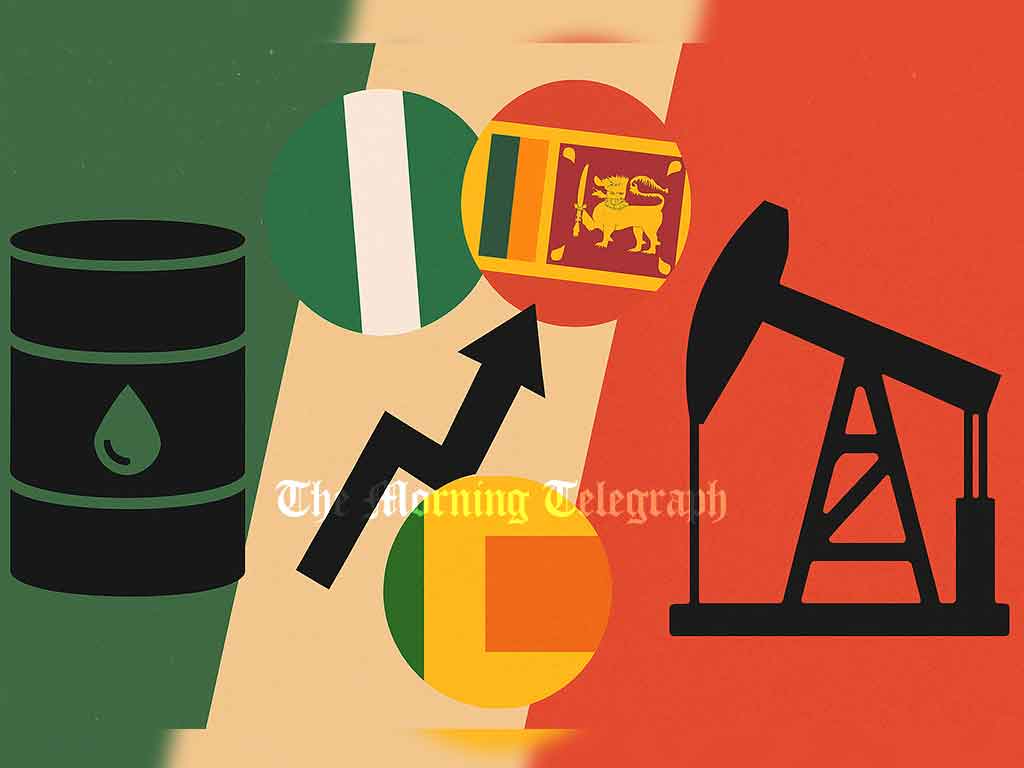
Sri Lanka’s plans to source cheaper fuel from Nigeria have collapsed due to regulatory roadblocks. With oil prices rising and supply uncertainty looming, the government now turns to Sudan for possible relief. Will South Sudan become Sri Lanka’s unexpected savior in the fuel crisis?
Sri Lanka’s ambitious plan to secure low-cost fuel from Nigeria has hit a roadblock, forcing the government to explore alternative sources, most notably, Sudan.
The Ceylon Petroleum Corporation (CPC) had reached out to oil-producing African nations, including Nigeria and South Sudan, seeking to purchase petroleum products at competitive rates amid Sri Lanka’s ongoing energy crisis.
However, negotiations with Nigeria have failed. According to CPC sources, Nigerian regulations require pre-registration with suppliers for any refined petroleum product transactions, a process that is both time-consuming and bureaucratic. These import restrictions have made it impractical for Sri Lanka to finalize any near-term oil purchase agreements with Nigerian suppliers.
The CPC had initially eyed Nigeria as a key supplier due to its vast oil reserves and established export network. Yet the pre-registration hurdle has significantly delayed procurement, halting immediate deals.
In contrast, South Sudan has responded positively. The government of South Sudan has formally extended an invitation to Sri Lanka’s Minister of Energy, Kumara Jayakody, for an official visit to explore possibilities for fuel trade cooperation.
At present, Sri Lankan authorities have yet to confirm their participation in the proposed visit. However, discussions are ongoing, and officials are hopeful that South Sudan may provide a viable alternative in the short term.
With mounting pressure to secure stable fuel sources at manageable prices, the CPC’s pivot from Nigeria to Sudan could signal a significant geopolitical shift in Sri Lanka’s energy diplomacy.